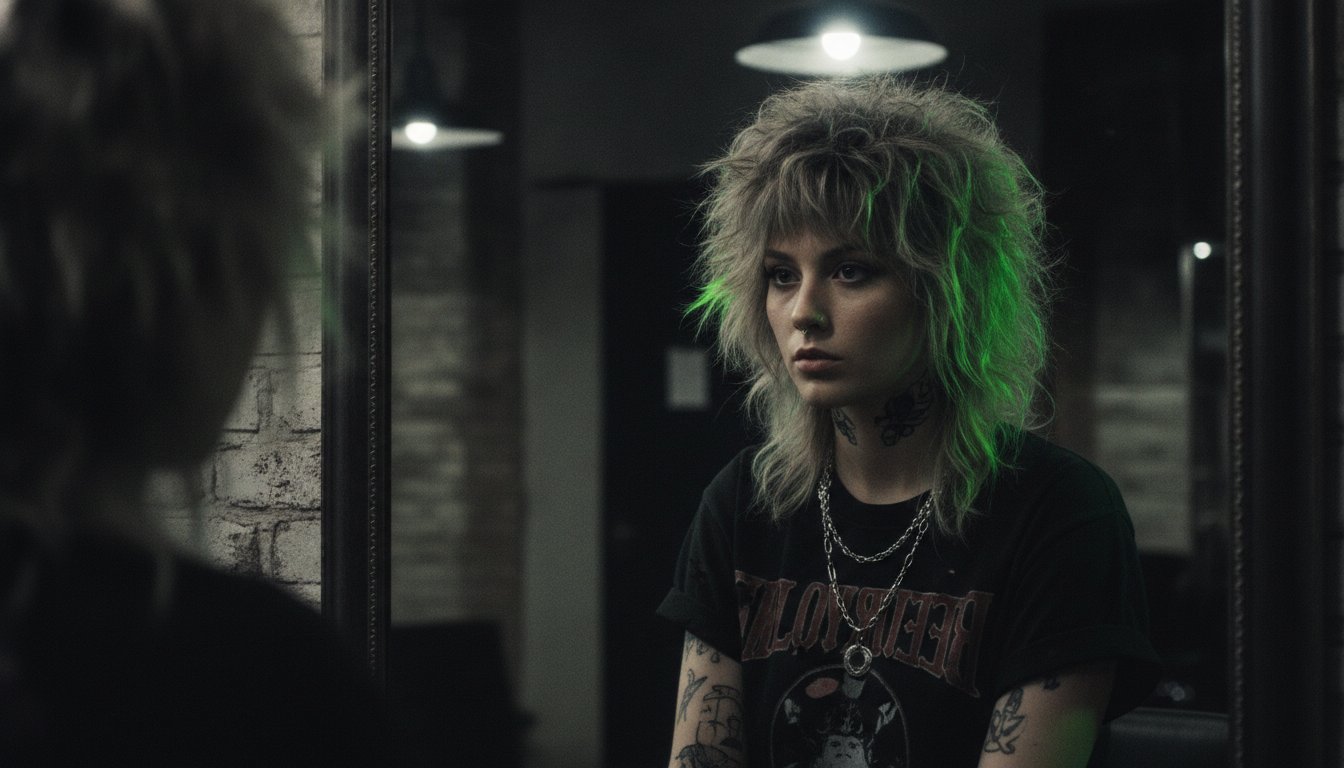
A botched haircut isn’t a death sentence for your subcultural identity; it’s just raw material for a more aggressive, bespoke silhouette. You wanted a wolf cut that screams rebellion, but you’ve ended up with a staircase of harsh steps and zero flow. It’s frustrating to feel like your identity-defining look has become a disaster, especially whilst you’re dreading another trip to a mainstream salon that doesn’t get your vibe. If you’re currently staring at the mirror wondering how to fix uneven layers in wolf cut styles without losing your length, take a breath. You aren’t stuck with a mistake.
This guide is your alternative survival kit. We’re going to stop the panic and show you how to salvage those botched layers into a killer shape that actually feels like you. You’ll learn the techniques to blend those disconnected chunks, restore the volume you crave, and reclaim your confidence. We’ll break down how to turn a technical fail into an intentional, textured masterpiece that belongs in the pit, not just under a beanie. Let’s get to work on your new favourite look.
Key Takeaways
- Identify the “shelf effect” and technical asymmetry to understand exactly where the cut went wrong before you touch a pair of scissors.
- Discover how to fix uneven layers in wolf cut hair by using aggressive texture and volume to blend harsh steps into a cohesive style.
- Avoid the trap of the kitchen scissor rescue; learn when to stop and seek an expert who specialises in subcultural grit.
- Master tactical styling tricks that disguise unevenness whilst your hair grows, keeping your identity intact during the transition.
- Transform a botched wolf cut into a signature alternative shape like a modern mullet or a classic shag for a more intentional silhouette.
The Wolf Cut Crisis: Why Your Layers Look More Messy Than Masterpiece
You’re staring in the mirror and all you see is a series of shelves that look more like a staircase than a silhouette. It’s a gut punch. You wanted the raw, unpolished energy of a wolf cut, but instead, you’ve got a technical disaster that feels like a costume. This is the wolf cut crisis. When you’re searching for how to fix uneven layers in wolf cut styles, you’re usually dealing with a haircut that has lost its soul. The layers don’t move. They just sit there, heavy and disjointed. It’s frustrating because this isn’t just a bad trim; it’s a blow to your subcultural identity.
Don’t reach for the clippers just yet. Shaving it all off is a last resort you probably don’t need. Most “botched” cuts are actually just unfinished or misunderstood by a stylist who treats hair like a math problem rather than a piece of art. Traditional salons often fail here because they’re terrified of the aggressive thinning and disconnected sections that make this style work. They try to play it safe, and safe is the enemy of the wolf cut.
Intentional Chaos vs. Technical Error
There is a massive difference between subcultural grit and a genuine mistake. A proper wolf cut uses disconnected layers to create movement and volume. It’s supposed to look lived-in and a bit feral. However, technical errors happen when the “mushy middle” is ignored. This is where the top layers are too short and the bottom is too thin, creating a harsh gap. Traditional salons often struggle here because they are trained to blend everything perfectly. When they try to go “edgy,” they often over-compensate with blunt chops that leave you with a mess instead of a masterpiece. If your hair doesn’t flow when you shake your head, it’s a technical error, not a style choice.
The Emotional Toll of a Bad Cut
For many in the alternative scene, hair is a primary pillar of identity. When it’s wrong, it feels like a personal fracture. You might experience a temporary form of hair dysmorphia, where you don’t recognise the person in the mirror. It’s not “just hair” when that hair is your armour. The rescue process isn’t instant, but it is possible. You need to set a realistic timeline for the fix. Sometimes the rescue involves transitioning into a Modern Mullet or a Shag Haircut to bridge the gap whilst your length catches up. We aren’t just fixing hair; we’re reclaiming your look and your confidence.
Diagnosing the Damage: Identifying Unevenness and ‘Shelf’ Layers
You can’t fix what you haven’t properly diagnosed. Most people know their hair looks “off,” but they can’t pin down the technical reason why it feels more like a disaster than a style. Learning how to fix uneven layers in wolf cut hair starts with a brutal, honest look in the mirror. You need to distinguish between the intentional grit of an alternative style and a genuine technical failure. If your hair looks like a mushroom cap sitting on top of some straggly extensions, you’re dealing with the dreaded shelf effect.
Asymmetry is another common culprit. This usually manifests as one side looking like a sharp mullet whilst the other looks like a blunt bob. It often happens when someone attempts a DIY “unicorn cut” or a “ponytail method” without understanding how hair density shifts around the head. A true wolf cut relies on point-cutting; a technique where the scissors are used at an angle to carve out weight. If your layers look blunt and “choppy” in a way that feels heavy, the stylist likely used straight horizontal cuts instead of vertical texturising. This leaves the crown looking flat and the transitions feeling like a staircase.
The ‘Shelf’ Effect and Harsh Transitions
The “shelf” happens when there is zero internal weight removal. Instead of the layers cascading into each other, the top section sits as a solid block over the bottom length. This creates a mushroom-like silhouette that kills the movement of the cut. You can identify where the blending failed by lifting the top layers; if there is a massive gap in length between the crown and the mid-lengths, you’ve found the problem. High-density hair makes this look even more extreme, as the weight causes the layers to “stack” rather than flow. If you’re struggling with this technical mess, you might need a professional wolfcut correction to thin out those internal blocks.
Disconnected Lengths and Asymmetry
Testing for asymmetry is simple. Section your hair right down the centre and pull both sides forward. If the “holes” in the cut—the areas where too much hair was removed—don’t match up, the balance is gone. These holes often appear around the ears or the jawline. The ponytail method is notorious for creating these gaps because it ignores the natural fall of the hair. When you pull everything to one point, you lose control over the front-to-back ratio. This results in a cut that looks okay from the front but looks like a jagged mess from the side. Identifying these gaps is the first step toward building a new, more intentional shape.
DIY Rescue vs. Expert Intervention: When to Put Down the Scissors
Put the kitchen scissors back in the drawer. Right now. When you’re frantically googling how to fix uneven layers in wolf cut hair, your first instinct is usually to hack away at the offending “shelf” you discovered in the mirror. Stop. Panic-cutting is exactly how a minor technical error turns into a buzzcut-worthy disaster. Before you touch your hair, run through this “Stop and Think” checklist. Are you doing this because you’re angry? Do you actually have professional-grade hair shears? Is your hair dry and styled? If the answer to any of these is “no”, step away from the mirror and take a breath.
Kitchen scissors are for opening packages, not for carving out subcultural grit. They are blunt, they crush the hair shaft, and they leave your ends looking like they’ve been chewed by a lawnmower. Even worse is the TikTok-famous trap of using thinning shears to “blend” everything. Over-thinning is the fastest way to turn a wolf cut into a frizzy, lifeless mess with shredded ends that have zero structural integrity. You want texture, not transparency.
Safe DIY Tweaks for Minor Unevenness
If the damage is minimal, you can manage small tweaks whilst waiting for a professional rescue. Focus only on the face-framing bits. Use a slide-cutting technique; keep your shears slightly open and glide them down the hair to soften a harsh edge. You can also “dust” the very ends by snipping vertically into the hair to remove sharp corners. Always do this on dry, styled hair. You need to see how the hair naturally falls to understand how to fix uneven layers in wolf cut shapes without creating new holes.
Why Professional Blending is Non-Negotiable
There is a limit to what you can do at home. An alternative specialist doesn’t just cut the perimeter; they use internal layering to remove weight from the “mushy middle” where traditional stylists fail. This is usually done through dry cutting, which allows the specialist to see the movement in real-time. They can blend that awkward disconnect between your crown and your length without sacrificing the aggressive edge that defines the style. A pro knows how to carve out the bulk whilst keeping the silhouette sharp and intentional. They turn your “mistake” into a signature shape that looks like you meant it all along.
Tactical Styling: How to Disguise Uneven Layers Whilst They Grow
You’ve diagnosed the shelf. Now you need to live with it whilst it heals. The best camouflage for a technical failure is raw, unapologetic texture. Smooth, straight hair is the enemy here. It highlights every harsh line and every accidental step in the cut. When you’re figuring out how to fix uneven layers in wolf cut styles on a daily basis, you need to embrace the chaos. Volume is your best friend. By lifting the heavy “shelf” layers away from the base length, you blur the transition and make the disconnect look like a choice rather than a mistake.
Think of styling as visual deception. You aren’t just doing your hair; you’re restructuring the silhouette to hide the holes. The goal is to create enough movement that the eye can’t settle on a single “step” in the hair. This tactical approach keeps your identity intact whilst you wait for the length to catch up. It turns a disaster into a “lived-in” look that actually fits the alternative aesthetic.
Product-Led Solutions for Texture and Volume
Reach for high-performance grit. A heavy-duty clay like Death Grip is essential for piecing out uneven ends and adding structural integrity to the crown. It creates that “dirty” rockstar finish that hides a multitude of technical sins. If your crown feels flat and disconnected, root lift powder is the secret weapon. It provides the friction needed to keep those short layers standing up, preventing them from lying flat against the length. Avoid heavy oils or silicone-heavy serums. These make the hair separate into distinct sections, which makes your uneven layers look incredibly obvious and limp.
Heat Styling for Camouflage
Heat is a powerful tool for visual redirection. Use a wand to create alternating curls; wrap one section towards your face and the next away from it. This breaks up the horizontal lines of a “shelf” and replaces them with vertical movement. If you want a more aggressive look, try straightening only the bottom two inches of your length whilst keeping the top messy and voluminous. This creates a mullet-leaning silhouette that feels entirely intentional. You can also use a flat iron to “flick” the shorter layers outward. This blends the transitions by creating a shattered, flared-out effect that screams subcultural grit rather than “bad haircut.”
If your daily styling routine is starting to feel like a full-time job, it is time to book an expert correction and get your silhouette back on track.
Evolving the Cut: Turning a Botched Wolf into a Signature Shape
Stop trying to hide the damage. Start evolving it. Most mainstream advice tells you to cut everything to one length or hide under a hat until it grows into a boring bob. That’s a cowardly move that kills your alternative edge. At Heavy Metal Hairdresser, we see a botched cut as a pivot point. If you’re struggling with how to fix uneven layers in wolf cut hair, the answer isn’t always “blending it away.” Sometimes, the answer is leaning into the disconnect and turning that technical fail into an aggressive, intentional silhouette.
A botched wolf cut is often just a Modern Mullet in disguise. If your top layers are too short and the bottom is too thin, you’ve already got the foundations of a killer mullet. Alternatively, we can transition the shape into a textured Shag Haircut. This approach uses the existing choppy layers as a base for a more cohesive, rock-and-roll flow. We don’t fix mistakes by playing it safe; we fix them by making the “error” look like a deliberate, subcultural choice.
The Wolf-to-Mullet Pipeline
The easiest way to rescue a bottom-heavy wolf cut is to embrace the disconnect. By shortening the sides and tightening the area around the ears, you instantly transform a messy “step” into a sharp mullet silhouette. This removes the awkwardness of the “shelf” by turning it into a focal point. If your crown layers are particularly uneven, we can push the texture further to create a death-hawk inspired shape. This removes the visual weight from the sides and puts it where it belongs. It’s about taking control of the chaos and giving it a name.
The Corrective Cutting Consultation
When you book a rescue appointment, communication is everything. Don’t just show up and say “fix it.” Tell your stylist exactly what you hate about the current flow and what you want to keep. Bring “vibe” photos. We want to see the energy you’re chasing, not just a polished Pinterest board of “perfect” hair that doesn’t fit your reality. A specialist will help you build a long-term plan to reach your ultimate hair goal whilst keeping your look sharp during the grow-out. Ready to reclaim your identity? Book a consultation with our alternative specialists and let’s turn that disaster into a signature shape.
Reclaim Your Silhouette: From Botched to Bespoke
A bad haircut is a temporary setback; it is not a permanent loss of your subcultural identity. You now have the tools to diagnose the technical “shelf” and use aggressive volume to mask the damage whilst your hair heals. Whether you’re leaning into tactical styling or pivoting the entire shape into a modern mullet, you have the power to take control. Understanding how to fix uneven layers in wolf cut styles is about moving past the panic and seeing the raw potential in your existing hair. You aren’t just fixing a mistake; you’re evolving into a more intentional version of yourself.
Don’t settle for a look that doesn’t define you. Our specialists live for aggressive textured layers and provide a gender-inclusive safe space for those who reject the mainstream. We specialise in shags, mullets, and wolf cuts that scream grit rather than technical error. It’s time to stop hiding under beanies and start wearing your hair with pride. Your alternative identity deserves a shape that matches your energy.
Book your Wolf Cut Rescue at Heavy Metal Hairdresser and let’s get your silhouette back on track. You deserve a style as bold and fiercely independent as you are.
Frequently Asked Questions
Can I fix uneven layers in my wolf cut at home?
You can perform minor “dusting” on face-framing bits, but structural repairs are best left to a specialist. Attempting a full rescue at home often results in more holes and shorter hair than you intended. If you are desperate to know how to fix uneven layers in wolf cut hair before an event, stick to styling tricks rather than reaching for the shears.
How long does it take for a botched wolf cut to grow out?
Most botched cuts require three to six months of growth before they can be fully reorganised into a cohesive shape. Hair grows at an average rate of half an inch per month; so patience is key. During this transition, regular trims from an alternative stylist will help maintain a deliberate silhouette whilst the shorter crown sections catch up to the base length.
What is a ‘shelf’ layer and how do I get rid of it?
A ‘shelf’ layer is a harsh horizontal line where the top section sits heavily over the bottom without any transition. You get rid of it through internal weight removal and point-cutting. A professional will carve out the bulk from the middle sections, allowing the layers to collapse into each other rather than stacking like a staircase.
Should I use thinning shears to blend my wolf cut layers?
Avoid using thinning shears as they often shred the hair ends and create a frizzy, transparent texture. Whilst they seem like an easy way to blend steps, they actually remove the structural integrity needed for a wolf cut’s aggressive flick. Point-cutting with professional shears is the superior method for creating a shattered, intentional look without the fuzz.
My wolf cut looks like a mushroom, what went wrong?
The mushroom shape happens when the top layers are cut too blunt and the internal weight isn’t thinned out. It creates a round, heavy silhouette that lacks the aggressive taper of a true alternative style. This usually occurs when a stylist is too timid with the length or doesn’t understand how to balance the crown volume with the perimeter.
Can I turn a bad wolf cut into a mullet?
Absolutely, a botched wolf cut is the ideal foundation for a modern mullet. By shortening the sides and increasing the disconnect around the ears, you turn those uneven layers into a sharp, aggressive silhouette. It is often the most effective way to reclaim your style whilst removing the technical errors from the original cut without losing your back length.
What products help hide uneven layers in short hair?
High-hold clays like Death Grip are perfect for piecing out uneven ends and adding grit. Root lift powders help keep the crown layers from lying flat, whilst salt sprays add the messy texture needed to camouflage harsh steps. Avoid heavy oils or serums; these make the disjointed layers separate and look more obvious against your neck.
Why does my wolf cut look flat at the top but heavy at the bottom?
This imbalance occurs when the crown layers aren’t short enough to create lift, or when the mid-lengths are left too bulky. It kills the “wolf” energy and leaves you with a bottom-heavy shape. Learning how to fix uneven layers in wolf cut hair often involves cutting the top shorter to restore the volume and flow that defines the style.