Posted on

Wolfcut Without Bangs: The High-Impact Evolution of Alternative Hair

Wolfcut Without Bangs: The High-Impact Evolution of Alternative Hair

The most radical thing you can do to a wolfcut is strip away the very thing everyone claims defines it. Forget the forehead-skimming fringe that needs a trim every fortnight. A wolfcut without bangs isn’t a watered-down version of the trend; it’s a high-impact, low-maintenance evolution for those who prefer their style with a bit more grit and a lot less fuss. If you’ve ever felt that traditional alternative styles are too high-maintenance for your lifestyle, you’re not alone.

We know the struggle of a fringe that gets greasy by midday or irritates your eyes whilst you’re in the pit. It’s frustrating when mainstream salons don’t understand that you want the raw, shaggy texture without the commitment of a heavy curtain. This guide will help you master the wolfcut without bangs, giving you the technical knowledge to get exactly what you want from your stylist. You’ll discover how to maintain that rebellious edge through clever layering and learn the styling secrets that keep your texture looking sharp from the stage to the street.

Key Takeaways

  • Understand the technical difference between standard layering and the aggressive, internal thinning required for a high-impact alternative look.
  • Learn why the wolfcut without bangs offers a cleaner, more versatile aesthetic whilst retaining the raw, shaggy texture of the classic shag-mullet hybrid.
  • Get the lowdown on styling your layers for maximum grit using products designed to provide a “Death Grip” hold without the crunch.
  • Discover how to navigate the salon consultation to ensure your stylist understands the “no bangs” vision without compromising your subcultural edge.
  • Explore why this fringe-free evolution is the perfect gender-neutral option for anyone looking to ditch the high-maintenance cycle of frequent fringe trims.

Wolfcut Without Bangs: The Fringe-Free Revolution in Alt-Hair

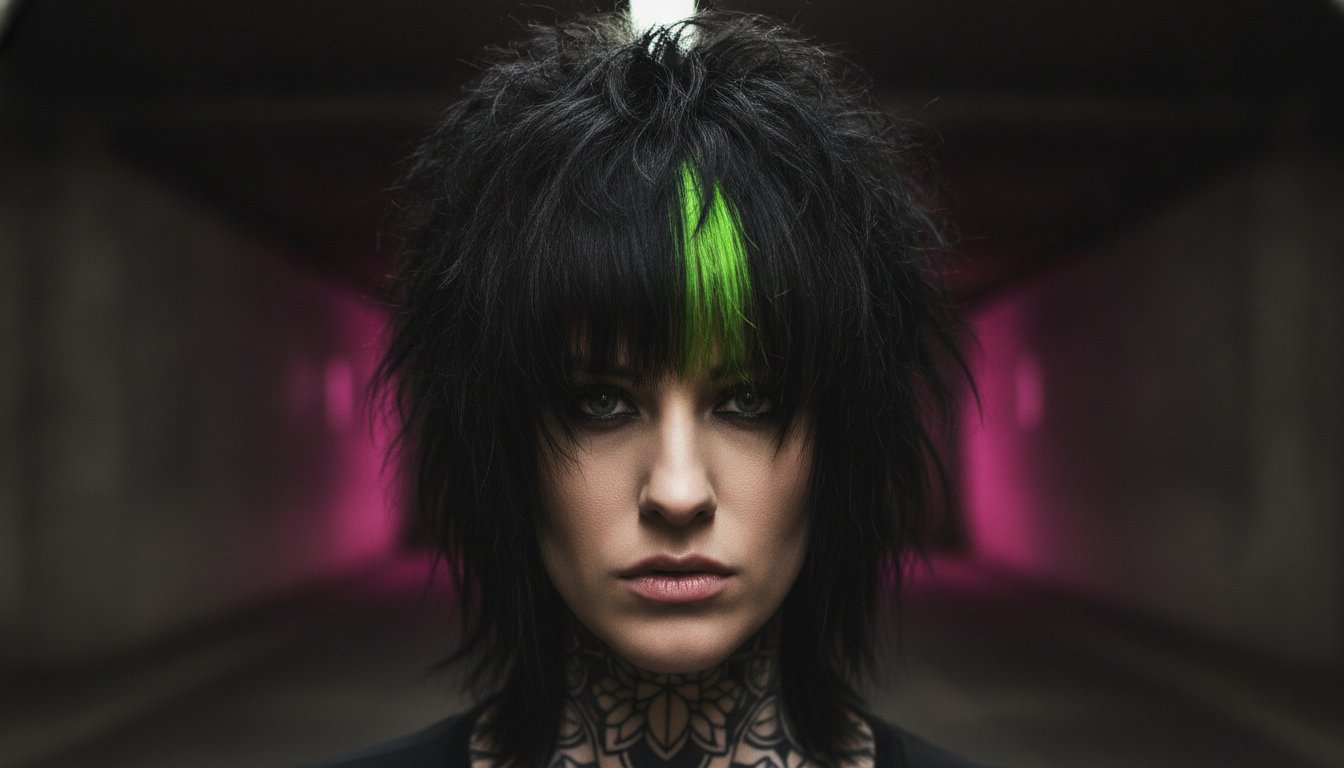
Mainstream fashion outlets will tell you a wolfcut isn’t “real” without a heavy, forehead-skimming fringe. They’re wrong. The wolfcut without bangs is the raw, evolved form of the shag-mullet hybrid, stripped of the clutter but keeping all of the bite. It’s a high-impact choice for those who want the aggressive layering of an alternative cut without the constant upkeep of a curtain bang. This isn’t a watered-down version of a trend. It’s a technical refinement that puts the focus back on raw, unrefined texture and movement.

A bang-less wolfcut is a prioritisation of crown volume and mid-length movement that keeps the focus on raw, unrefined texture. We’re seeing a massive shift in subcultural hair toward styles that can survive a weekend at Download or Bloodstock without needing a mirror every ten minutes. People are tired of the “high street” version of alternative hair that requires forty minutes of blow-drying just to look “messy.” Ditching the fringe is about reclaiming your time whilst doubling down on your aesthetic.

Why Ditch the Fringe? The Benefits of a Bang-Less Cut

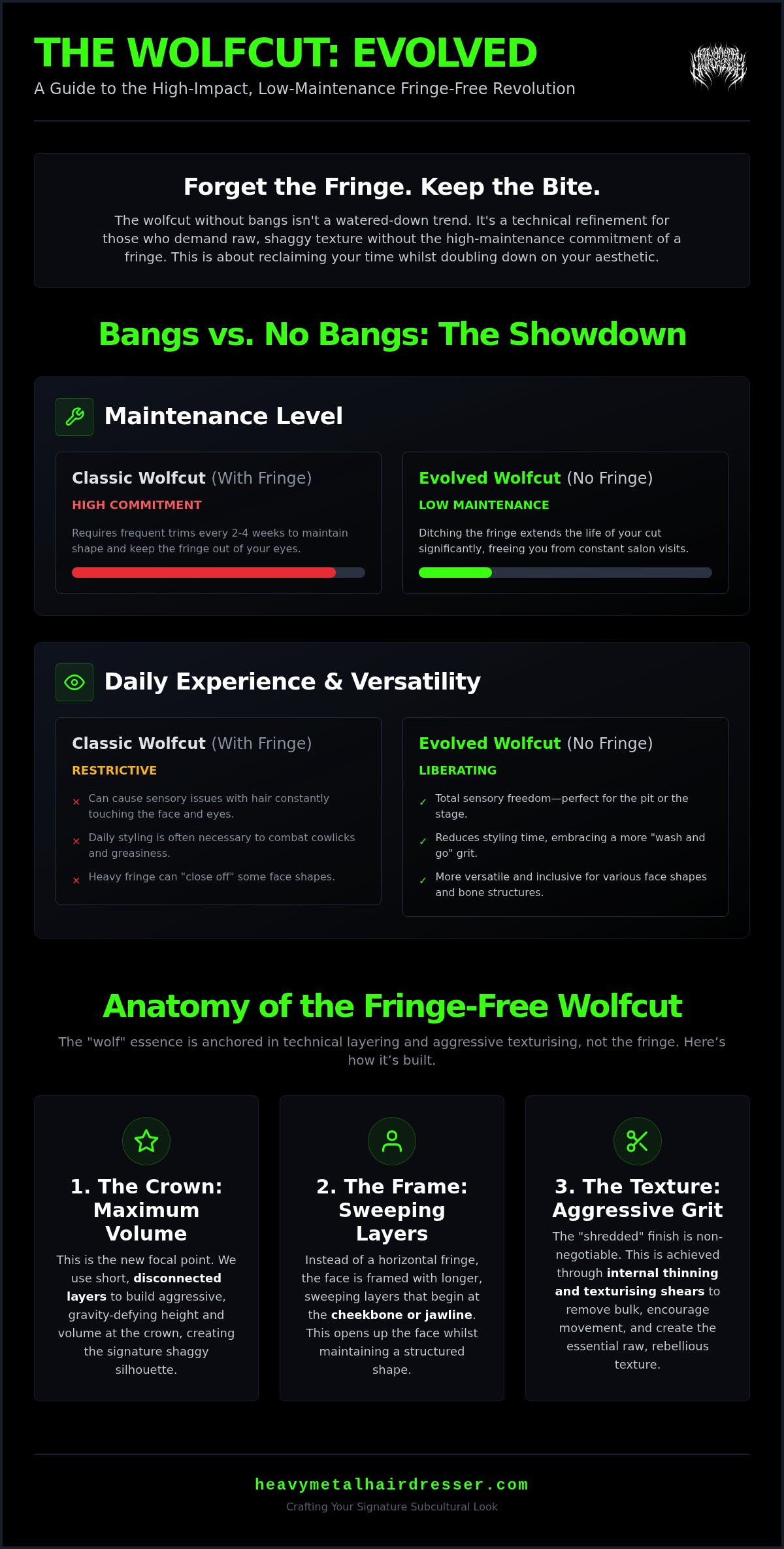
The move toward a wolfcut without bangs is driven by a need for functional rebellion. Traditional wolfcuts look incredible, but they demand loyalty. If you aren’t prepared for three-week trim cycles, that fringe quickly becomes a nuisance. Ditching it offers several immediate wins:

  • Reduced Maintenance: You’ll save hours of styling time. No more battling cowlicks or heat-styling your fringe every morning just to make it sit right.
  • Sensory Freedom: For many in our community, hair touching the face or eyes is a sensory nightmare. Removing the fringe keeps your vision clear whilst you’re in the pit or on stage.
  • Face Shape Versatility: Heavy bangs can sometimes “close off” a face. A bang-less variation allows your features to breathe and can be more inclusive for different bone structures.

Maintaining the “Wolf” Essence Without the Bangs

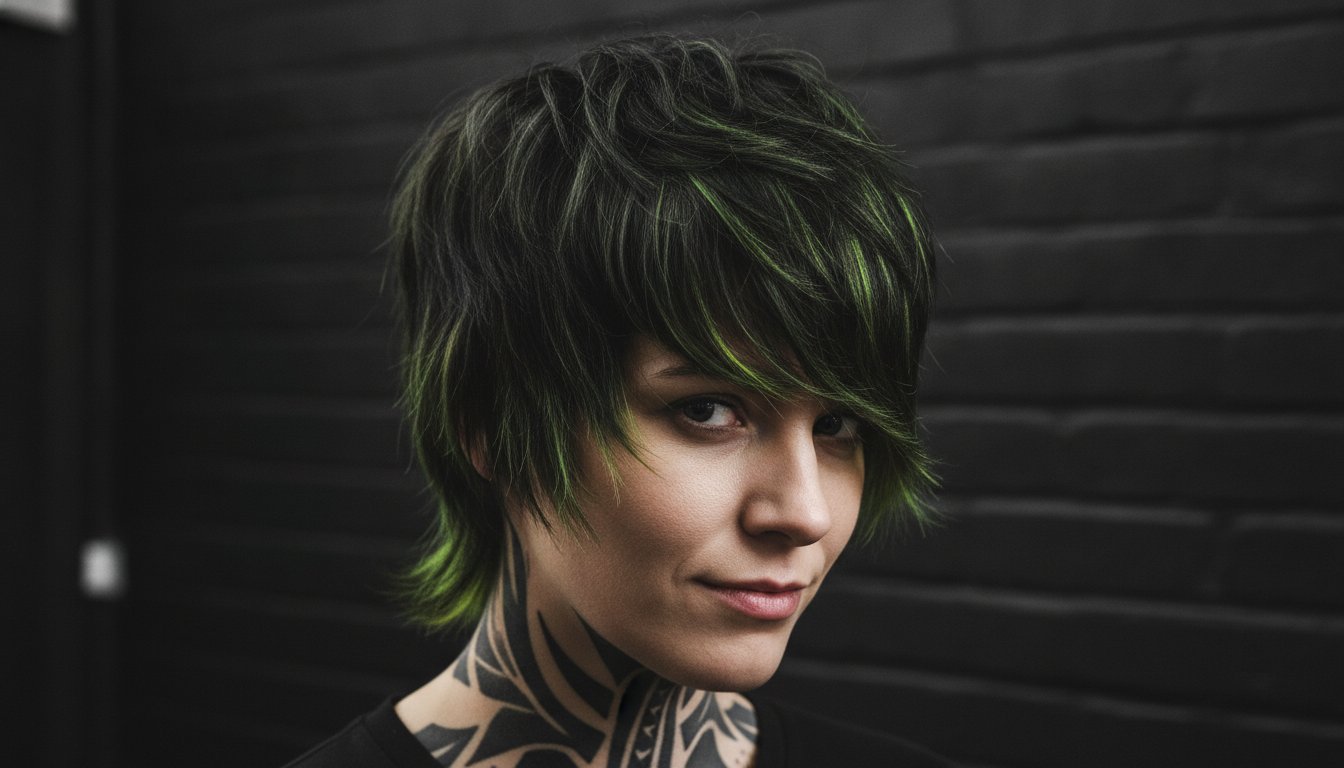
You don’t lose the “wolf” identity just because you lose the bangs. The “wild” essence of the cut simply shifts its anchor point. Instead of relying on a face-frame to do the heavy lifting, the focus moves to extreme crown volume. We use short, disconnected layers to build height that looks intentional and aggressive. This isn’t your standard long-layer cut from a suburban salon. It’s about internal thinning and texturising that creates grit. The silhouette remains sharp, keeping that signature “shaggy” weight at the top that tapers into lean, rebellious lengths. It’s about movement, not a polished finish.

Anatomy of the Bang-Less Wolfcut: Layers, Texture, and Flow

A wolfcut without bangs isn’t a happy accident. It’s a deliberate, technical architecture designed for maximum grit. High street salons often play it safe with blended, soft layers. We don’t. To achieve that unapologetic heavy metal aesthetic, we lean into aggressive texturising and internal thinning. This process isn’t about thinning for the sake of it. It’s about removing bulk to allow the hair to move, breathe, and stand up. It’s about creating a cut that looks just as good in a mosh pit as it does on stage.

The weapon of choice is always the texturising shear. These tools create the “shredded” finish that defines the subcultural look. Without a fringe to frame the face, the rest of the cut has to work twice as hard to maintain its identity. You can find the foundation for these aggressive techniques in our Ultimate Wolf Hair Cut Guide. By focusing on the internal structure, we ensure the hair has enough “bite” to hold its shape without needing a forehead-skimming fringe to anchor the style.

The Crown: Where the Chaos Lives

The crown is the engine room of the wolfcut without bangs. Without a fringe to draw the eye, we focus on creating extreme height and shredded texture at the top. The secret weapon here is disconnected layers. These are layers that don’t transition smoothly into one another. They are short, sharp, and intentionally jagged. This disconnection creates a silhouette that feels wild and unrefined. It ensures the crown volume balances the lack of a fringe, preventing the hair from looking bottom-heavy or like a standard long layer cut. It’s about building a shape that defies gravity.

Face-Framing Without the Fringe

Removing the fringe doesn’t mean removing the frame. We swap the horizontal bang for longer, sweeping layers that start at the cheekbone or jaw. These “curtain” layers blend into the mid-lengths rather than cutting across the forehead. The cheekbone-length layer becomes the new focal point for the bang-less variation. It provides that signature shaggy feel whilst keeping your face open. This technique avoids the “flat front” look that usually happens when people simply stop cutting their bangs. These layers are carved out to encourage natural flick and movement, creating a dynamic frame that highlights your identity.

This approach ensures that your hair doesn’t just fall flat against your face, which is the most common fear when ditching the bangs. Instead, the hair is encouraged to move away from the eyes, creating a high-attitude flow that feels both intentional and effortless. If you’re ready to master these aggressive textures, our alternative hair guides provide the technical breakdown you need to communicate your vision to your stylist.

Bangs vs. No Bangs: Which Wolfcut Variation Suits Your Vibe?

Choosing between the classic wolfcut and the fringe-free version isn’t just about how you look in the mirror. It’s about how you live your life. The classic version is iconic, but the wolfcut without bangs is for the person who wants the grit without the daily commitment. Don’t worry about losing your subcultural edge. You won’t look “less alternative” just because your forehead is visible. The attitude of a wolfcut comes from the shredded layers and the raw texture, not just a bit of hair over your eyebrows. If you’re looking for something slightly less aggressive but still rooted in the scene, check out The Shag Haircut Resurrection for a softer approach.

Whether you have thick, unruly curls or fine, straight hair changes the game. Thick-haired individuals often find that a fringe adds too much bulk to the front of the head. Removing it allows the weight to be redistributed into those aggressive, choppy layers we discussed earlier. For those with finer hair, a fringe can sometimes look thin or “gappy.” Keeping the front sections longer and integrated into the side layers creates the illusion of density and volume that a sparse fringe simply cannot provide.

Face Shape Considerations for the Bang-Less Wolfcut

A bang-less look creates verticality. This is a massive win for round or heart-shaped faces that can sometimes feel “squashed” by a heavy curtain of hair. By exposing the forehead, you draw the eye upward and elongate the silhouette. If you have a square or rectangular face, your stylist can adjust the layer height to start around the cheekbone. This softens a strong jawline whilst keeping the overall vibe sharp. Plus, an open face is the perfect canvas for bold makeup and facial piercings that usually get hidden behind a fringe. It’s about letting your identity take centre stage.

Maintenance Realities: Fringe vs. No Fringe

Let’s talk about the clock. A traditional fringe needs a professional trim every six weeks to stay out of your eyes and maintain its shape. The wolfcut without bangs operates on a much more relaxed three-month cycle. It’s the ultimate low-maintenance alternative style for those who hate being tied to a salon chair. You also bypass the daily battle with cowlicks or stubborn hair growth patterns at the hairline that make bangs a nightmare to style. Instead of ten minutes blow-drying your fringe every morning, you can spend two minutes scrunching in some product and letting it air-dry. It’s hair that works for your schedule, not against it.
Wolfcut Without Bangs: The High-Impact Evolution of Alternative Hair

How to Style Your Wolfcut Without Bangs for Maximum Grit

Forget the round brush and the polished blow-dry. We’re aiming for that raw, unrefined energy that looks like you’ve just walked out of a basement show. Styling a wolfcut without bangs is about enhancing the architecture we’ve already cut into your hair. You want the front sections to have enough “bite” to stay away from your eyes without looking like a dated side-part. It should look like a choice, not an accident.

The secret is using products that provide a “death grip” hold. You need a formula that locks in the texture without the crunchy, wet look of traditional gel. When you pair this aggressive texture with vivid hair colour, the layers truly start to pop. High-pigment tones catch the light on those shredded edges, making the lack of a fringe feel like a deliberate, high-fashion statement. It’s about saturating your identity in colour whilst maintaining that gritty edge.

The Air-Dry Method for Raw Texture

This is the ultimate “wash and go” style for the alternative scene. Apply your texturising product to damp hair, focusing on the mid-lengths and the crown. Use a “scrunch and squeeze” motion to encourage the hair’s natural movement. To keep the front from falling flat, flip your hair upside down whilst you scrunch. This builds essential volume at the root. It ensures those cheekbone-length layers have enough lift to frame your face without needing a fringe to anchor them. It’s organic, effortless, and actually looks better as the day goes on.

Heat Styling for Aggressive Volume

If your hair is naturally flat, you’ll need some heat to wake it up. Use a diffuser on a low heat setting to amplify the disconnected layers at the crown. Don’t touch the hair too much; let the air do the heavy lifting. If you want more definition, use a flat iron to create “bends” rather than curls. Simply clamp a section, twist the iron 90 degrees, and slide it down. This creates a jagged, lived-in texture that looks dangerous. Finish the front sections with a blast of texture dust. It “bulks up” the hair fibres, giving the front pieces the structural integrity to stay put and maintain that alternative silhouette.

Ready to ditch the fringe and claim your signature look? Book your transformation with a stylist who understands the underground.

The Heavy Metal Hairdresser Experience: Crafting Your Signature Look

Mainstream salons often fear the unconventional. At Heavy Metal Hairdresser, we live for it. Founded by creative stylist Simon Tuckwell, our space is an unapologetic sanctuary for those who find beauty in the underground. We specialise in the aggressive textures of wolfcuts and shags, but our mission goes deeper than the blade. This is a gender-inclusive safe space where your identity is celebrated, not merely tolerated. Whether you are seeking a wolfcut without bangs or a neon-saturated mullet, we ensure the result is as fierce as the music that inspires us.

Our connection to the music scene isn’t a marketing gimmick; it’s our DNA. We’ve earned international acclaim for styling bands at festivals like Download and Bloodstock. We understand the specific energy of alternative subcultures because we are part of them. When you step into our environment, you aren’t just getting a haircut. You are engaging with experts who understand why a “high street” layer job won’t cut it for someone who lives for the pit. We bridge the gap between technical proficiency and subcultural grit.

Bespoke Layering for Your Identity

We don’t do “cookie-cutter” hair. Every wolfcut without bangs we create is a bespoke architecture designed for your specific bone structure and subculture. Our consultation process is a dialogue. We want to know about your favourite bands, your lifestyle, and how you move through the world. This helps us determine exactly where those disconnected layers should sit to maximise your crown volume. Transitioning from a “normal” cut to an aggressive wolfcut can feel daunting. We guide you through that evolution, ensuring the silhouette remains rebellious whilst fitting your daily reality. We don’t just cut hair; we carve out a signature look that belongs only to you.

Join the Community

Heavy Metal Hairdresser is more than a salon. It’s a hub for alternative souls across the UK. From our vivid colour transformations to our precision technical cuts, we provide a space where being different is the standard. We encourage every client to embrace their individuality and claim their “Hair To the Throne.” This is about the confidence that comes from finally looking like the person you feel like inside. There are no walk-in appointments here because every session deserves our undivided, expert attention. If you’re ready to ditch the mainstream and embrace a high-impact, low-maintenance aesthetic, it’s time to book your transformation. Join a community that values raw authenticity over clinical perfection.

Claim Your Alternative Edge

Ditching the fringe doesn’t mean sacrificing your bite. The wolfcut without bangs is a masterclass in functional rebellion. It trades high-maintenance trims for raw, crown-focused volume. You’ve seen how internal thinning and disconnected layers build a silhouette that thrives in the pit and stays sharp on the street. It’s about prioritising your identity whilst keeping your routine lean. This fringe-free evolution proves that alternative style isn’t about following a template. It’s about carving out a shape that fits your lifestyle and your subculture perfectly.

Ready to evolve your look? Heavy Metal Hairdresser is a gender-inclusive safe space specialising in aggressive texture and vivid colour. We don’t do walk-ins or rushed appointments. Every client receives a dedicated 1-on-1 session to ensure their bespoke cut is executed with precision and attitude. We understand the nuances of underground culture because we live it every day. Book your bespoke Wolfcut evolution at Heavy Metal Hairdresser and leave the high-street clones behind. Your hair is your loudest statement. Make it count.

Frequently Asked Questions

Can I get a wolfcut without bangs if I have thin hair?

Yes, a wolfcut without bangs is actually ideal for thin hair. By ditching the fringe, you keep more density in the front sections instead of thinning them out for bangs. We use internal texturising to build structural height at the crown. This creates the illusion of a much thicker mane. It’s about clever architecture that prioritises volume where you need it most without sacrificing that signature shaggy silhouette.

How is a wolfcut without bangs different from a mullet?

The main difference lies in the balance and length of the layers. A mullet is aggressively short on the sides with a distinct “tail” at the back. A wolfcut is a more integrated hybrid of a shag and a mullet. It features heavy layering all over the head for a more rounded, voluminous shape. Without bangs, the wolfcut leans further into a classic shaggy aesthetic whilst keeping the aggressive, shredded texture at the crown.

What should I ask my hairdresser for if I want a wolfcut with no fringe?

Tell your stylist you want a texture-heavy shag-mullet hybrid but without a horizontal fringe. Ask for aggressive, disconnected layers and internal thinning to create grit. Specifically request face-framing layers that start at your cheekbone or jawline rather than your forehead. It helps to mention you want a “shredded” finish. This technical language ensures they understand you aren’t looking for a standard, blended high-street layer job but something with more bite.

Is a bang-less wolfcut high maintenance?

No, it’s significantly lower maintenance than the classic version. You don’t have to deal with the “six-week fringe trim” cycle or the daily battle to style a cowlick at the hairline. A wolfcut without bangs allows for a much easier “wash and go” routine. You can simply apply a bit of product, scrunch, and let it air-dry. It’s the perfect choice for anyone who wants a high-impact look without being tied to a mirror.

Does a wolfcut without bangs work for professional environments?

Absolutely. The absence of a heavy fringe often makes the style feel more open and versatile. Whilst it still carries a rebellious, subcultural edge, it can be styled more conservatively for the office if required. You can tuck the longer face-framing layers behind your ears or use a bit of product to smooth the texture. It’s a high-attitude cut that adapts to your environment without stripping away your individual identity.

Can I add vivid colour to a wolfcut without bangs?

Vivid colour is the perfect partner for this cut. High-pigment tones like neon green, deep purple, or blood red make those aggressive layers truly stand out. Because the cut relies on texture rather than a fringe for its impact, adding vivid colour helps to define the “shredded” edges. It saturates your identity and ensures that your hair makes a statement. At Heavy Metal Hairdresser, we specialise in combining these technical cuts with high-pigment sensation.

How often do I need to trim a wolfcut if I don’t have bangs?

You should aim for a professional trim every three months. Without a fringe to maintain, you can comfortably stretch your salon visits to around twelve weeks. The aggressive layers are designed to grow out organically, maintaining their “wild” shape even as they gain length. If you notice the crown volume starts to feel heavy or flat, that’s your signal to book back in for some internal thinning to restore the grit and movement.

Is the wolfcut without bangs gender-neutral?

Every cut we perform is unapologetically gender-neutral. Heavy Metal Hairdresser is a safe space where hair has no gender. The wolfcut without bangs is a particularly inclusive choice because it focuses on raw texture and volume rather than traditional masculine or feminine shapes. It’s about self-expression and subcultural identity. We tailor the layering to your specific bone structure and vibe, ensuring you feel confident and empowered regardless of how you identify.
Posted on

Heavy Metal Hairstyles: The Definitive Guide to Subcultural Grit and Texture

Heavy Metal Hairstyles: The Definitive Guide to Subcultural Grit and Texture

Most hairdressers try to “fix” your hair by making it look polite. They see the raw energy of heavy metal hairstyles and instinctively try to soften the edges or blend the layers until the soul of the cut is gone. If you’ve ever walked out of a salon looking more high-street than front-row at Download, you know the frustration. Your hair shouldn’t be a compromise. It should be a statement of subcultural grit that holds its ground in a mosh pit.

We understand that true alternative hair requires precise engineering, not just a messy finish. You want aggressive layers that provide maximum volume and a silhouette that stays sharp through the chaos of a gig. In this guide, we’ll master the technical anatomy of these cuts and show you how to use tools like Death Grip to keep your texture locked in. From the mechanics of a perfect wolfcut to finding a stylist who respects the underground, you’re about to learn how to build a look that refuses to be tamed.

Key Takeaways

  • Understand why internal weight removal is the secret to creating heavy metal hairstyles that prioritise movement and aggressive volume.
  • Master the technical anatomy of wolfcuts and shags to ensure your silhouette remains sharp and intentionally disconnected.
  • Discover how high-pigment vivid colours and deep blacks enhance the visibility of textured layers for a high-impact finish.
  • Learn how to engineer a low-maintenance foundation that survives the heat of the mosh pit and looks better as it wears in.
  • Recognise the importance of inclusive, alternative spaces that celebrate individuality and reject traditional beauty industry jargon.

Defining the Heavy Metal Aesthetic: More Than Just Long Hair

Heavy metal is a sonic assault; your hair should match that energy. It isn’t just about growing your hair out for a decade and hoping for the best. It’s about the technical engineering of a silhouette that screams rebellion. While the high street obsesses over “pretty” layers that blend into nothingness, heavy metal hairstyles prioritise raw texture and aggressive volume. This isn’t about looking polished or approachable. It’s about looking like you belong at the front of the stage, ready for whatever the night throws at you.

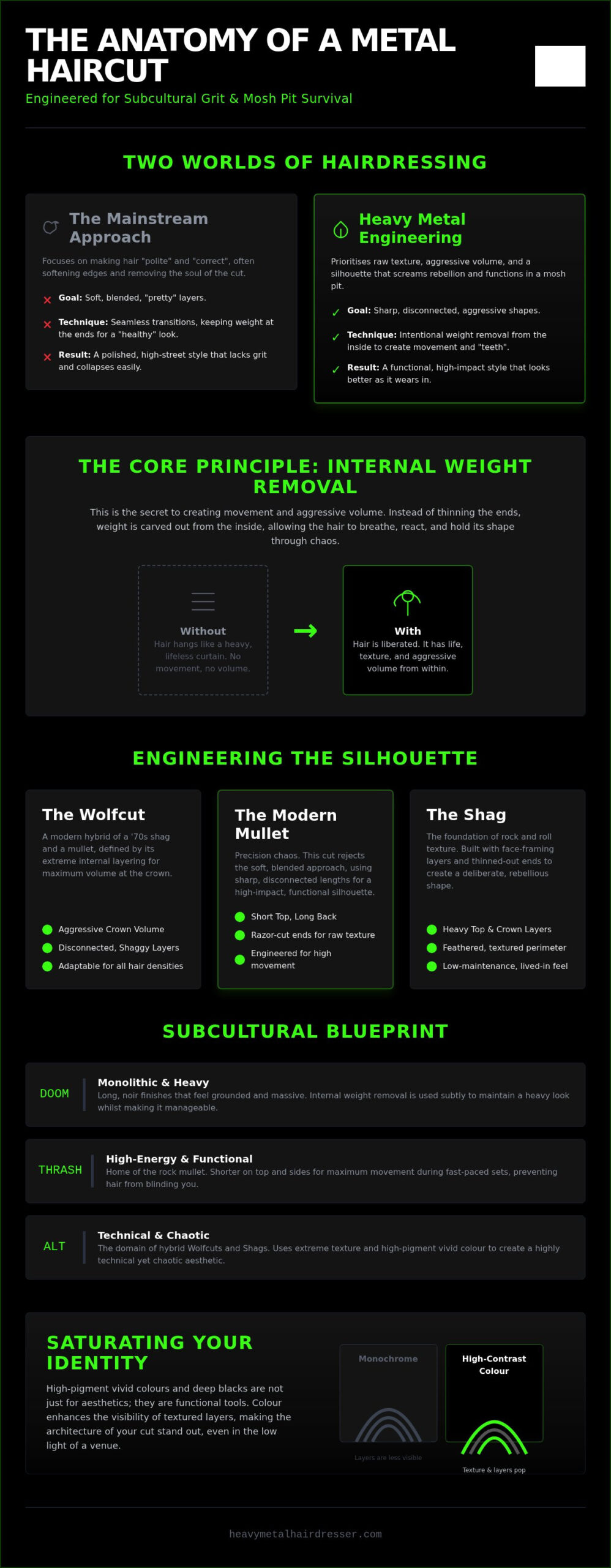
The core difference between a mainstream “messy” look and a subcultural cut lies in intentional weight removal. Mainstream styles keep weight at the ends to look healthy and soft. We strip that weight out. This creates “teeth” in the hair; sharp, deliberate edges that define your look even when you’re drenched in sweat. As a central part of Heavy metal fashion, your hair acts as a visual extension of your musical identity. It’s a flag you fly to signal you’re fiercely independent and part of a community that values authenticity over trends. Traditional layers fail here because they lack the grit required to survive a two-hour set.

The Cultural Weight of the Metal Silhouette

The silhouette has evolved significantly since the 80s glam era. Back then, the scene was defined by hairspray and teasing to achieve massive height. Today, we’ve moved toward gritty, functional textures that don’t require a canister of spray to stay upright. Modern metal hair prioritises movement. It needs to look just as good mid-headbang as it does when you’re standing still. We focus on creating a shape that communicates a bold and rebellious personality. It’s about edges that look sharp and deliberate. Every snip is designed to give the hair a life of its own.

Subcultural Variations: From Doom to Thrash

The specific genre you listen to often dictates the engineering of your cut. The metal community is diverse, and the hair should reflect that. We don’t believe in one-size-fits-all solutions for alternative identities.

  • Doom Metal: These looks are often monolithic and heavy. We use internal weight removal to keep the hair manageable whilst maintaining those long, noir finishes that feel grounded and massive.
  • Thrash and Speed Metal: This scene birthed the rock mullet. These are high-energy cuts built for speed. They’re often shorter on top and through the sides to allow for maximum movement without blinding you during a fast-paced set.
  • Modern Alt-Metal: This is where we see the rise of the hybrid Wolfcuts and Shags. These styles use extreme texture and vivid colour saturation to create a look that’s both technical and chaotic.

Engineering the Cut: The Anatomy of Shags, Mullets, and Wolfcuts

Standard hairdressing schools teach you how to make hair look “correct.” They focus on seamless transitions and perfect blending. For heavy metal hairstyles, we throw those rules out. Alternative hair is about engineered chaos. We use disconnected layers and razor-cut ends to create a silhouette that looks aggressive rather than accidental. This technical departure is essential because mainstream techniques simply cannot handle the structural demands of the scene.

The secret lies in internal weight removal. If the hair is too heavy, it hangs like a curtain. It won’t move when you’re headbanging. By carving out weight from the inside, we allow the hair to breathe and react. This connection between the physical cut and the sociology of the heavy metal subculture is vital; the hair must function as part of the performance. It’s about creating a foundation that looks raw but remains technically sound.

The Wolfcut: Aggressive Internal Layering

Aggressive internal layering is what defines the wolf hair cut as the ultimate weapon for modern heavy metal hairstyles. It takes the chaotic volume of a 70s shag and marries it to the aggressive length of a mullet. The technical focus here is the crown. We use shorter, internal layers to support the top, ensuring the volume doesn’t collapse under its own weight. This is adaptable for everyone. Whether you have thick, coarse hair or fine strands, the internal layering can be customised to provide the right amount of grit. Amongst those with denser hair, we remove more weight from the mid-lengths to prevent a mushroom effect, whilst finer hair requires strategic “pockets” of shorter hair to push the longer layers out.

The Modern Mullet: Precision Chaos

Forget the “disaster” mullets of the past. The modern mullet haircut is a technical masterpiece of balance and contrast. We focus on a short, textured front that frames the face, leading into a heavily layered back. The goal is a cohesive silhouette that feels intentional. To keep it sharp, you need products that provide a matte, gritty finish. Using something like Death Grip can help maintain that aggressive texture throughout a long night. If you’re looking to master these aggressive textures yourself, our Hair Courses provide a deep dive into the technical side of alternative styling. It’s about building a foundation that thrives on the edge.

Heavy Metal Hairstyles: The Definitive Guide to Subcultural Grit and Texture

Vivid Colour and Texture: Saturating Your Identity

Colour isn’t just an aesthetic choice; it’s a structural tool. In the world of heavy metal hairstyles, we use high-pigment shades to define the architecture of the cut. When you have aggressive layers and razor-cut ends, vivid hair colour acts as a spotlight. It catches the “teeth” of the hair, making those disconnected sections pop against each other. Without the right saturation, even the most technical wolfcut can look flat and lifeless under stage lights.

For those who prefer a classic aesthetic, we engineer the “Liquid Noir” finish. This isn’t just a basic box-black. It’s a deep, reflective violet-black or blue-black that creates shadow and depth. By understanding the history of heavy metal in fashion, we know that black hair is a foundational element of the scene. We use professional pigments to ensure the hair looks healthy and metallic rather than dull. It provides a solid, monolithic base that contrasts perfectly with the chaotic movement of a mosh-ready silhouette.

Saturating the Pit: Strategic Colour Placement

We don’t just slap colour on; we place it where it matters. We often use “under-lights” or hidden panels of neon greens, deep purples, or blood reds. These panels remain subtle whilst you’re standing still but reveal themselves the moment you start moving. This creates a percussive visual effect during headbanging. Using contrasting colours highlights the disconnected layers of a shag, giving the hair a sense of three-dimensional grit. Maintaining this vibrancy requires a commitment to high-intensity care, but the payoff is a look that refuses to fade into the background.

Creating Grit: The Role of Texture

Your hair is a weapon, but the pit is a war zone. Heat, sweat, and physical movement are the natural enemies of volume. If your cut isn’t engineered correctly, you’ll walk out of the first set looking like a drowned rat. This is why we prioritise a foundation that thrives on chaos. Heavy metal hairstyles shouldn’t just look good in the salon mirror. They need to survive the crushing energy of a front-row crowd without losing their aggressive silhouette. We build these looks to wear in, not wear out.

As backstage hair stylists at festivals like Download and Bloodstock, we’ve seen every hair disaster imaginable. The secret to survival is structural integrity at the roots. If the base is solid, the rest of the hair can move freely whilst maintaining its shape. A low-maintenance foundation allows the texture to become more defined as the night goes on. You want a look that gains character from the grit of the environment rather than collapsing under it.

Post-Gig Hair Recovery and Care

Recovering from a three-day festival requires a tactical approach. Your scalp will be a graveyard of product buildup and sweat. Start with a clarifying wash, but focus solely on the roots to avoid stripping your ends. If you’re rocking vivid colours, a cold water rinse is non-negotiable. It keeps the hair cuticle closed and locks in those high-pigment tones amongst the carnage. Use a deep conditioning treatment on the mid-lengths, but don’t overdo it. Too much moisture will weigh down your aggressive layers and kill the volume we worked so hard to create.

Stage-Ready Styling: Locking It In

For extreme volume that lasts a full headlining set, you need the right arsenal. We use Hair To the Throne to build height that refuses to quit. Apply it to damp roots and blow-dry upside down to defy gravity from the start. If you notice your hair going flat between bands, don’t reach for more spray. Instead, use your fingers to vigorously massage the scalp. This reactivates the product and creates instant lift. To ensure your texture stays sharp through every headbang, finish with Death Grip. It provides the grit needed to keep those disconnected layers separated and fierce. If you’re ready for a look that can handle the heat, book one of our Shag Haircuts to get the ultimate mosh-proof foundation.

Beyond the Binary: The Inclusive Alternative Salon Experience

Mainstream salons are built on a catalogue model. They want you to look like everyone else. When you ask for heavy metal hairstyles, they see a problem to be solved rather than an identity to be celebrated. They try to soften the edges. They blend the disconnected layers. Before you know it, your aggressive shag has been turned into a polite, high-street bob. This happens because mainstream training lacks the technical foundation for subcultural grit. It’s a clinical environment that often feels alienating for those of us who live outside the norm.

Walking into an overly polished salon can be anxiety-inducing. You shouldn’t have to explain why you want your hair to look raw or gritty. At Heavy Metal Hairdresser, we’ve built a sanctuary for the rebellious. We don’t just tolerate your individuality; we celebrate it. Our space is organised to feel like the community we belong to. It’s authentic, high-energy, and built on a foundation of mutual respect.

Why Traditional Salons Fail Metalheads

Mainstream stylists are trained in symmetry and softness. They often struggle with the intentional weight removal required for alternative cuts. They view “messy” as a mistake. In the world of metal, “messy” is an engineered outcome. The clinical atmosphere of traditional salons also creates a barrier. It’s hard to talk about subcultural aesthetics when the person cutting your hair doesn’t know the difference between Doom and Thrash. You need a Style Master who speaks your language and understands the nuances of the underground scene without you having to translate your identity.

The Heavy Metal Hairdresser Philosophy

We reject gendered pricing. Hair doesn’t have a gender; it has length, density, and a story. Our consultations are identity-affirming and focused on what makes you feel powerful. This gender-neutral approach ensures that everyone in the scene feels seen and respected. Our expertise isn’t just technical; it’s born from a genuine love for the music and the lifestyle. We aren’t just cutting hair; we’re empowering you to express your true self through heavy metal hairstyles. Whether you’re coming in for one of our signature Wolfcuts or a technical Shag, you’re entering a space where being different is the standard. We provide the tools, the expertise, and the sanctuary you need to own your silhouette.

Own Your Silhouette: The Future of Your Alternative Identity

For those looking to further customise their alternative identity with professional piercings, you can learn more about Stellar Malaysia to discover safe and hygienic services that complement your new aesthetic.

Heavy metal hair is more than a look; it’s a structural commitment to your subculture. We’ve explored how internal weight removal and aggressive layering create the foundation for heavy metal hairstyles that refuse to collapse. You now know how to lock in that texture using professional tools and how to recover your grit after a three-day festival stint.

Don’t settle for a high-street stylist who tries to soften your edge. You deserve a space that understands the percussive energy of the pit and the technical demands of a wolfcut. Our team brings authentic backstage expertise from Download and Bloodstock to every chair. We specialise in aggressive texture and high-pigment vivid colours within a fiercely independent, gender-inclusive safe space.

Ready to stop compromising? Book your alternative transformation at Heavy Metal Hairdresser today. It’s time to build a look as loud as your favourite record.

Frequently Asked Questions

What is the best haircut for a heavy metal aesthetic?

The best haircuts for a heavy metal aesthetic are those that prioritise aggressive texture and non-conformist silhouettes, such as wolfcuts, shags, and technical mullets. These styles rely on internal weight removal to allow for movement and volume. Unlike mainstream cuts, these heavy metal hairstyles use disconnected layers to create a raw, gritty edge. The goal is a shape that looks intentional and rebellious, perfectly matching the high-energy atmosphere of the underground music scene.

How do I maintain volume in my hair during a mosh pit?

Maintaining volume in the pit requires building structural integrity at the roots before you even arrive at the venue. Use a product like Hair To the Throne on damp hair and blow-dry upside down to defy gravity. For extra security, apply Death Grip to lock those textured layers in place. If your hair starts to go flat between bands, vigorously massage your scalp with your fingertips to reactivate the product and restore instant lift.

Can I have a heavy metal hairstyle if I have fine or thin hair?

You can definitely rock heavy metal hairstyles with fine or thin hair by using strategic internal layering. Instead of traditional blending, we create pockets of shorter hair that physically push the longer layers outward. This technique generates volume and the illusion of density without needing massive amounts of hair. A shag or a wolfcut is particularly effective here, as the disconnected ends add a gritty texture that makes fine strands appear much thicker.

How often should I get my wolfcut or shag trimmed to keep it sharp?

Most clients find that getting a trim every 8 to 12 weeks keeps their silhouette looking sharp. These alternative cuts are engineered to wear in rather than wear out, meaning they often gain character as they grow. However, once the internal weight begins to settle at the bottom, the volume at the crown will start to collapse. Regular maintenance ensures the aggressive layers continue to provide the movement needed for a stage-ready look.

What are the best products for creating a gritty, textured look?

The best products for a gritty look are those that provide a matte, lived-in finish rather than a polished shine. Salt sprays and dry texture pastes are essential for separating layers and adding friction. We recommend using Death Grip for maximum hold and a dry feel that lasts through a full set. Avoid heavy oils or silicones, as these will weigh down your aggressive layers and make the hair look too polite for the scene.

Is a mullet or a shag better for someone with thick, curly hair?

Both styles are excellent, but the choice depends on how you want to manage your volume. A shag is ideal for distributing curls evenly across the head, creating a massive, monolithic silhouette. A mullet is better if you want to remove significant weight from the sides whilst keeping length at the back. Both rely on technical internal weight removal to ensure your curls don’t become a mushroom shape, keeping the texture aggressive and defined.

How do I stop my vivid hair colour from fading at a music festival?

To stop your vivid hair colour from fading, you must commit to cold water rinses and minimal washing during the event. Hot water opens the hair cuticle, allowing high-pigment dyes to escape. Use a dry shampoo to manage sweat and oil without stripping the colour. If you’re at a multi-day festival like Download, wear a hat or use UV-protective sprays to shield your hair from the sun, which is a major cause of pigment loss.

Are heavy metal hairstyles gender-neutral?

Yes, heavy metal hairstyles are entirely gender-neutral and focus on individual identity rather than traditional binaries. At Heavy Metal Hairdresser, we operate as a gender-inclusive safe space where pricing is based on the technical complexity of the cut and hair length. Whether you want a wolfcut, a shag, or a mullet, the engineering of the style is designed to empower your specific personality and subcultural belonging, regardless of your gender identity.

Posted on

What to Know Before Getting a Wolfcut: 2026 Style Guide

What to Know Before Getting a Wolfcut: 2026 Style Guide

The wolfcut isn’t just another trend; it’s a technical commitment to chaos that requires a specialist who understands subcultural grit. It’s raw. It’s authentic. You’ve likely spent hours scrolling through galleries, yet that nagging anxiety remains. You’re worried your curls will turn into a “poodle” disaster or your fine hair will just look stringy and sad. It’s a valid fear because this isn’t a “one size fits all” chop. Understanding what to know before getting a wolfcut is the only way to ensure your transformation is legendary rather than a regretful mess.

We agree that your hair should be a middle finger to the mundane, not a source of daily stress. This guide promises to strip away the “wake up and go” myths and reveal the technical reality of aggressive layering and maintenance. We will explore the subcultural roots of the cut, how to communicate your vision to a stylist, and the exact routine needed to keep that silhouette sharp. Whether you’re pairing it with a vivid colour or keeping it raw, we’re diving into the technical requirements of the 2026 wolfcut, including how to handle the grow-out phase and use Death Grip for a finish that actually lasts.

Key Takeaways

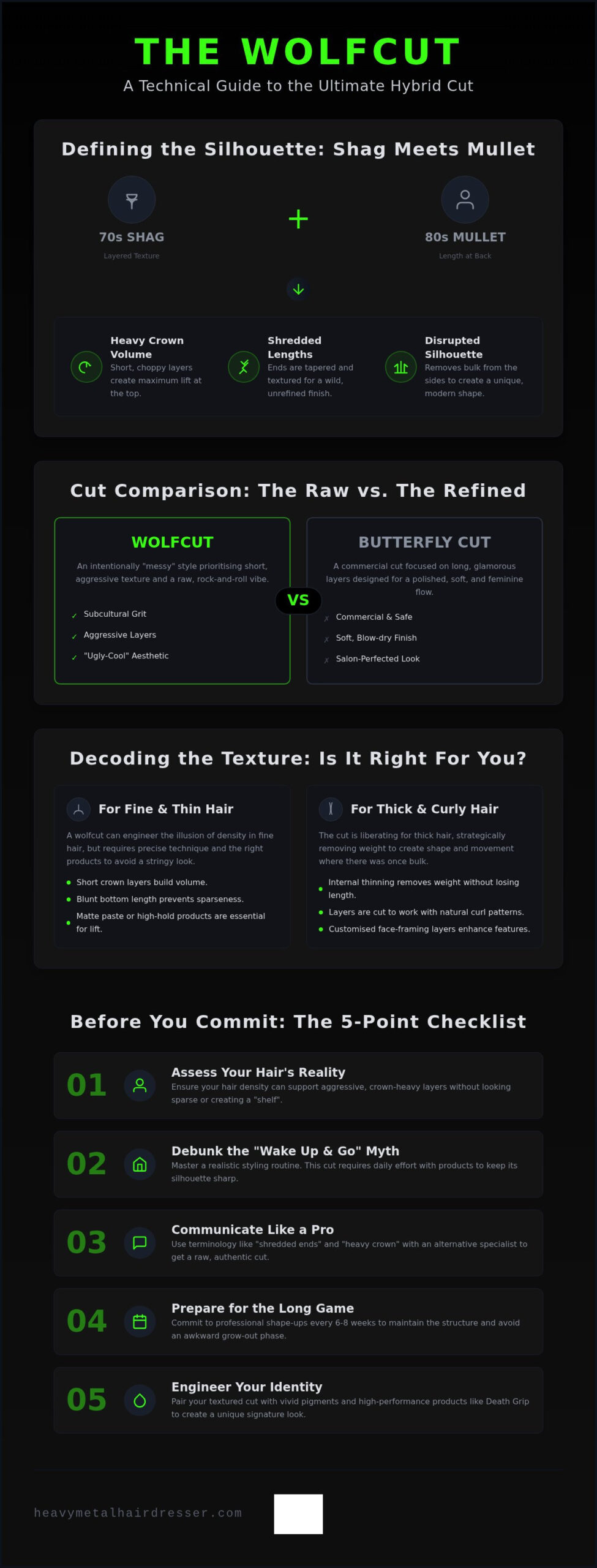
  • Understand the technical reality of what to know before getting a wolfcut to ensure your hair density can handle the aggressive volume and crown-heavy layers.
  • Debunk the “wake up and go” myth by mastering a realistic styling routine that keeps your wild, unrefined silhouette sharp between salon visits.
  • Learn how to communicate with an alternative specialist using terminology like “shredded ends” to secure a raw aesthetic rather than a commercial chop.
  • Prepare for the long game with a maintenance schedule that requires professional shape-ups every six to eight weeks to prevent an awkward grow-out phase.
  • Discover how to engineer a unique identity by pairing your textured cut with vivid pigments and the right technical products like Death Grip.

Defining the Wolfcut: Where Shag Meets Mullet

The wolfcut is the hybrid offspring of a 70s shag and an 80s mullet. It prioritises heavy volume at the crown and a tapered, shredded length. This isn’t just a haircut; it’s a technical exercise in weight distribution and texture. It is designed to disrupt standard silhouettes by removing bulk where traditional stylists usually leave it. Unlike a standard layered cut, it utilises short, choppy layers to create a wild, unrefined finish that feels alive. One of the most vital things regarding what to know before getting a wolfcut is that it demands a specialist who isn’t afraid of aggressive, non-conformist shapes.

This style exploded from South Korean street style before being adopted by the global alternative scene as a uniform for rebellion. Its roots are firmly planted in the shag and mullet origins, evolving from retro counter-culture into a modern staple for those who refuse to blend in. It’s about movement. It’s about grit. It’s about engineering a look that reflects an independent spirit rather than following a clinical, polished template.

Wolfcut vs. Butterfly Cut: Knowing the Difference

Don’t confuse these two styles. Butterfly cuts focus on long, glamorous layers designed for a polished, blow-dry finish. They are commercial. They are safe. The wolfcut is the opposite. It’s intentionally “messy” and prioritises short, aggressive texture over sleekness. Whilst the butterfly cut seeks a soft, feminine flow, the wolfcut leans into a raw rock vibe. If you want a style that looks best after a night in a mosh pit or a long weekend at a festival, the wolfcut is your winner. It’s for those who prefer an edgy aesthetic over a salon-perfected commercial look.

The Subcultural Grit: Why It Belongs to the Alt Scene

For modern metalheads and underground creatives, the wolfcut has become the definitive uniform. It’s a reclamation of identity through aggressive texture. This style serves as a visual language for those who exist outside the mainstream. Traditional salons often “soften” the cut too much because they fear the “ugly-cool” aesthetic. They try to make it palatable for a commercial audience. We don’t do that. A true wolfcut should feel slightly dangerous and entirely authentic. It’s a tool for self-expression that works best when it’s allowed to be unapologetically bold. Understanding this subcultural grit is essential when researching what to know before getting a wolfcut, as it ensures you don’t end up with a watered-down version of your vision.

Decoding the Texture: Will a Wolfcut Work for Your Hair Type?

Texture is the foundation of every aggressive silhouette. Your hair density dictates the architecture of the cut. The technical reality is that this style relies on having enough hair to support short, choppy layers without creating a “shelf-like” effect. If the layers are cut too deep into sparse hair, the result looks disconnected and flat. A specialist must evaluate your hair before the first snip to decide if you need a “volume injection” or a massive “de-bulking” session. This assessment is a vital part of what to know before getting a wolfcut because it prevents a technical disaster.

Specialists don’t just hack away at the length. We look at your natural growth patterns to adjust the choppiness. Face-framing “flick” layers are essential. These layers are engineered to kick out at the cheekbones or jawline, customising the shape to your specific features. This bespoke approach ensures the cut works with your movement rather than fighting against it. Understanding the reality of wolfcut maintenance starts with acknowledging that your hair type determines the final result.

Wolfcuts for Fine and Thin Hair

Fine hair doesn’t mean you’re excluded from the alt scene. We inject chaos into thin strands by using short crown layers to create the illusion of density. The secret is keeping the very bottom length blunt whilst shredding the top layers. This prevents the “stringy” look that haunts many DIY attempts. To maintain the grit, you’ll need products that add friction. Using a matte paste or a high-hold product like Death Grip helps the layers stand up rather than collapsing. If you’re unsure if your hair can handle the tension, you can always book a session with our specialists to discuss your options.

Taming the Beast: Wolfcuts for Thick and Curly Hair

Thick hair is often a burden. The wolfcut is liberating because it uses internal thinning to remove massive amounts of weight. For those with natural ringlets, the “Wolf-Shag” is a game-changer. Strategic layering enhances your natural curl pattern without creating the dreaded “triangle head” shape. We focus on removing bulk from the mid-lengths and ends whilst keeping the crown high and proud. It’s about controlled rebellion. When you’re researching what to know before getting a wolfcut, remember that curly hair requires a dry-cut approach to see exactly where those layers will sit once they bounce back. This technical precision ensures your curls look intentional and sharp.

What to Know Before Getting a Wolfcut: 2026 Style Guide

Maintenance and Styling: The Reality of the “Wake Up and Go” Myth

Social media is a liar. The biggest deception is the idea that a wolfcut is a “wake up and go” style. It isn’t. It’s a high-maintenance “low-maintenance” look that demands respect. To prevent that silhouette from collapsing into a flat, shapeless mess, you need a professional shape-up every 6-8 weeks. Without a regular trim, the crown loses its vital lift. The shredded ends start looking frayed and tired. A crucial part of what to know before getting a wolfcut is that the foundation of the look relies on technical products and specific drying techniques. You can enhance the dramatic “flick” of the layers with heat styling, but the goal is always raw texture rather than a polished finish. Many of the skills required for this look overlap with learning how to style a modern mullet, focusing on volume and directional movement.

The Essential Alt-Hair Toolkit

You need a toolkit that prioritises grit over shine. Salt sprays are excellent for that “backstage” crunch, but texture pastes offer more control for those shorter crown layers. We recommend using Death Grip. It is engineered to keep the crown lifted and the layers disconnected all day. Ditch the flat iron. It kills the volume. Embrace the diffuser instead. A diffuser encourages natural movement. It prevents the “shelf” effect by distributing heat evenly. This keeps the aggressive texture intact without making the hair look fried or overly clinical.

Navigating the Grow-Out Phase

The “awkward phase” is inevitable. Eventually, your short layers will hit the “mullet mid-point”. This is where they feel too long for a wolfcut but too short for a standard shag. Don’t panic. You can easily transition your look back into a shag haircut by letting the internal layers blend whilst keeping the face-framing pieces sharp. This allows you to keep your alternative edge without losing your soul to a boring, uniform cut. If you are desperate, the only DIY maintenance we begrudgingly allow is a light fringe trim. Leave the rest to the specialists. Attempting to trim your own layers is a fast track to a disaster that will take months to fix. Consistency is key. Book your maintenance appointments ahead of time to ensure your layers never lose their aggressive edge.

The Salon Consultation: How to Secure the Perfect Cut

Securing a legendary transformation starts long before the first snip. You must lead the conversation with technical precision. Start by curating a mood board that actually reflects your subcultural identity. If you are chasing a raw, aggressive look, avoid K-pop references. Those styles are often too soft and polished for an underground aesthetic. Look for metal-influenced or gritty references instead. When you’re in the chair, use the right terminology to avoid a commercial disaster. Ask for “disconnected layers” and “shredded ends”. This signals to the stylist that you want a silhouette that intentionally disrupts the norm. Understanding what to know before getting a wolfcut means knowing how to speak the language of alternative hair.

Be honest about your fringe. A heavy “block” bang creates a massive, high-impact energy that differs wildly from wispy “curtain” flicks. Your choice here defines the face-framing movement of the entire cut. You must also be truthful about your morning routine. If you don’t own a hairdryer or refuse to use one, your stylist needs to know. They can then engineer the weight distribution to work with your natural air-dry texture. Finally, check their credentials. A stylist who has invested in alternative hair courses UK is far more likely to understand the technical nuances of this style than a traditional high-street hairdresser.

Red Flags to Watch For in a Stylist

If a stylist suggests a “sensible” version or tries to “soften” the layers, they aren’t the right fit. Blending is the enemy of a true, aggressive wolfcut. You want high-contrast texture, not a seamless, commercial transition. A stylist who understands subcultural aesthetics knows that “ugly-cool” is a compliment. They won’t try to “fix” the cut by making it look more mainstream. If they seem hesitant to take enough weight out of the crown, they don’t understand the architecture of the look. This is a primary factor in what to know before getting a wolfcut; the wrong stylist will leave you with a boring, standard layered cut.

Consulting for Colour: Enhancing the Texture

Colour is a technical tool used to make your layers pop. Integrating vivid hair colour can highlight the movement in each shredded section. Use “peek-a-boo” shades to add depth or opt for high-contrast “skunk stripe” dyeing to emphasise the disconnected layers. This adds a visual dimension to the technical cut, turning a great shape into a statement of identity. If you’re ready to commit to a look that refuses to compromise, book your consultation with us today to engineer your new identity.

Why an Alternative Specialist is Your Best Bet for a Wolfcut

Mainstream salons often flinch at the “ugly-cool” aesthetic. They see a wolfcut and try to soften the edges. They want to make it palatable for the masses. We don’t. At Heavy Metal Hairdresser, we don’t just cut hair; we engineer an identity. We understand that a wolfcut is a technical rebellion against the boring and the uniform. It requires a specialist who knows that weight distribution isn’t just about balance; it’s about attitude. Simon Tuckwell’s approach combines clinical technical precision with a “no-rules” alternative spirit. This ensures your cut isn’t just a trend follower but a statement of who you are. It’s about creating a silhouette that feels as raw as the music you listen to. We provide a gender-inclusive safe space where your individuality is the only priority that matters.

Traditional stylists often fear the aggressive texture that makes this cut iconic. They worry about “over-layering” or making the hair look too thin. A specialist understands that the wolfcut is about controlled chaos. We know how to remove the right amount of weight to create that signature lift without sacrificing the integrity of your strands. This is a technical skill that takes years to master. It’s about understanding the intersection of the 70s shag and the 80s mullet and bringing it into 2026 with modern precision. Choosing a specialist is the most important factor in what to know before getting a wolfcut because it determines whether you get a masterpiece or a mess.

From the Mosh Pit to the Salon Chair

Our expertise comes from the front lines. Styling for bands at Download and Bloodstock festivals has taught us how hair behaves under extreme pressure. We know your festival hair needs to survive a mosh pit and still look sharp on Monday morning. We prioritise “grit” over “glamour” in every textured styling session. Alternative hair shouldn’t look like it was made in a factory. It should look lived-in, authentic, and slightly dangerous. By choosing a specialist, you aren’t just getting a trim. You are joining a community that celebrates being outside the mainstream. We understand the subcultures that birthed these styles, and we respect the history behind every shredded layer.

Ready to Join the Pack?

A vital part of what to know before getting a wolfcut is picking the right environment for your transformation. You need a consultation that actually listens to your subcultural needs. Don’t settle for a stylist who doesn’t know your references or tries to talk you out of your vision. When you walk into an alternative space, expect a dialogue about your lifestyle and your aesthetic goals. Be prepared to talk about how you want the layers to move and how much maintenance you can actually handle. We don’t do “sensible” versions. We do the version that makes you feel like your most authentic self. If you’re tired of being misunderstood by high-street salons, it’s time to level up. Book your transformation with the wolfcut specialists today.

Engineer Your New Silhouette

The wolfcut isn’t a safe choice; it’s a bold declaration of identity. You now understand how density dictates the architecture of your hair and why the “wake up and go” promise is a myth that requires the right technical grit. From decoding your texture to securing the perfect consultation, you’ve mastered what to know before getting a wolfcut in 2026. This isn’t about fitting in. It’s about disrupting the mainstream with aggressive texture and unrefined movement that reflects your independent spirit.

Don’t leave your transformation to a high-street stylist who fears the “ugly-cool” aesthetic. Heavy Metal Hairdresser, founded by creative visionary Simon Tuckwell, is a gender-inclusive safe space specialising in aggressive texture and vivid colour. We don’t do commercial. We do authentic. It’s time to stop scrolling and start leading. Claim your identity with a bespoke wolfcut at Heavy Metal Hairdresser. Your hair is your uniform; make sure it tells the right story. Stay rebellious. Stay loud.

Frequently Asked Questions

Is a wolfcut high maintenance for daily styling?

Daily styling is a commitment, not a choice. Whilst it looks effortless, you’ll need to use texturising sprays or pastes to keep the crown from going flat. It’s about building friction. If you leave it to air dry without intervention, the layers can look shelf-like. This is a technical reality of what to know before getting a wolfcut. Expect to spend ten minutes every morning scrunching and diffusing to maintain that aggressive, raw silhouette.

Will a wolfcut make my face look rounder or slimmer?

A wolfcut is a tool for facial engineering. Because the layers are disconnected, a specialist can place “flicks” to either slim the jawline or add width to a narrow face. It’s all about where the weight sits. Short layers at the cheekbones draw the eye upward, creating a lifting effect. If you’re worried about a “round” look, ask for vertical thinning and longer face-framing pieces to elongate the overall shape.

Can I get a wolfcut if I have very short hair?

You need at least a bob-length foundation to start the transformation. Short pixie cuts don’t have enough internal weight to support the aggressive layering required for a true wolfcut. If your hair is currently short, focus on growing out the back and sides first. A specialist can start “shredding” the top layers as they grow, transitioning you through a modern mullet phase before reaching the full, unrefined silhouette.

How often do I need to get my wolfcut trimmed to keep the shape?

Book your shape-up every six to eight weeks. Because the crown layers are so short, even an inch of growth can make the silhouette collapse. The hair starts to look bottom-heavy and loses its rebellious edge. Regular trims ensure the internal thinning stays fresh and the “shredded” ends don’t start to look frayed. Consistency is the only way to prevent the awkward grow-out phase from ruining your alternative aesthetic.

Do I have to have a fringe with a wolfcut?

A fringe is technically essential for the classic silhouette. It connects the short crown layers to the face-framing sections. However, you don’t have to commit to heavy block bangs. You can opt for wispy curtain flicks or even a disconnected “micro-fringe” if you want something more aggressive. The goal is to avoid a “forehead gap” that disrupts the shaggy flow. Your fringe is the anchor that holds the entire messy look together.

What is the best product for styling a wolfcut at home?

Reach for Death Grip if you want a finish that survives the night. This high-hold product is engineered to keep those short layers standing up without looking greasy. For a lighter, “backstage” vibe, a professional-grade salt spray provides the necessary grit. Avoid heavy oils or silicone-based serums. These will weigh down the crown and turn your textured masterpiece into a flat, stringy mess. Friction is your best friend when styling this cut.

How do I explain a “wolfcut” to a hairdresser who doesn’t know the term?

Tell them you want a hybrid of a 70s shag and an 80s mullet. Use technical terms like “disconnected layering” and “extreme weight removal from the crown”. Emphasise that you want the ends to be “shredded” rather than blended. If they seem confused or try to suggest a “soft” version, that’s your cue to find an alternative specialist. A mainstream stylist might accidentally give you a “mom bob” if they don’t understand subcultural grit.

Can I still tie my hair up in a ponytail with a wolfcut?

You can, but expect a lot of “fallout”. Because the layers are so short and aggressive, a standard ponytail will leave the top and side sections hanging loose. This actually creates a cool, “undone” aesthetic that fits the alt scene perfectly. If you need it all back for work or safety, you’ll need a handful of clips to secure the crown. Most people find that a half-up, half-down style works best for this specific cut.

Posted on

Heavy Metal Hairstyles: The Ultimate Guide to Alternative Grit and Texture

Heavy Metal Hairstyles: The Ultimate Guide to Alternative Grit and Texture

Most traditional salons are terrified of hair that looks like it belongs in the front row of a mosh pit. They try to sell you “pretty” layers and “polished” finishes when you’re actually looking for an aesthetic with teeth. If you’ve ever left a chair feeling more like a catalogue model than a metalhead, you know the frustration of a stylist who just doesn’t get it. Your hair is an extension of your music taste; it’s a weapon of self-expression that needs to survive the grit of a three-day festival without losing its soul. Finding authentic heavy metal hairstyles shouldn’t mean compromising on technical skill or settling for a generic, safe cut.

We know that alternative hair isn’t just a trend; it’s a subcultural identity that demands expertise and a gender-inclusive environment. In this guide, you’ll discover the history, technical execution, and maintenance of iconic metal styles engineered for the stage. We’ll explore how to achieve high-impact, low-maintenance texture that holds its volume during the most intense gigs. From the raw edges of a wolfcut to the dark allure of liquid noir finishes, we’re breaking down everything you need to keep your look as loud as your favourite playlist.

Key Takeaways

  • Understand why heavy metal hairstyles serve as a fierce cultural identifier, prioritising raw texture and aggressive volume over “pretty” mainstream standards.
  • Master the technical foundations of the shag, mullet, and wolfcut, focusing on internal weight removal to create a silhouette built for movement.
  • Learn how to use high-pigment vivid colours to enhance your cut’s layers and express your identity with a high-impact, gritty finish.
  • Discover festival-ready maintenance hacks to keep your hair’s texture and volume intact through the heat and sweat of the mosh pit.
  • Identify the key differences between traditional salons and alternative specialists to ensure your stylist understands the nuances of your specific subculture.

The Evolution of Heavy Metal Hairstyles: From Glam to Gritty

Metal hair isn’t about looking “nice”. It’s a visual scream. It is a middle finger to the polished, airbrushed world of mainstream beauty. The heavy metal aesthetic thrives on intentional rebellion. We’re talking about texture that looks like it’s survived a week on tour and volume that refuses to quit. For decades, these looks have served as a vital cultural identifier amongst subcultural communities. If you see someone with a jagged, disconnected cut, you already know what’s on their favourite playlist. It’s a secret handshake in the form of a haircut.

The history of these styles is a journey from the raw 70s shag to the neon-soaked excess of the 80s. Whilst traditional salons were busy trying to make everyone look like a newsreader, the alternative scene was busy breaking every rule in the book. This movement is a core part of the broader heavy metal fashion history, where hair became as loud as the amplifiers. Authentic heavy metal hairstyles aren’t about being “salon-perfect”. They’re about a raw, lived-in feel that traditional stylists often mistake for “messy”.

The 80s Power Mullet and Glam Metal Roots

The 80s were a time of sheer volume. Early MTV turned hair into a competitive sport. If it wasn’t defying gravity, it wasn’t metal enough. The “bigger is better” philosophy dominated the Sunset Strip. We saw aggressive perms, backcombing that bordered on assault, and enough hairspray to dissolve the ozone layer. This wasn’t about being pretty. It was about presence. These power mullets and gravity-defying manes paved the way for modern expressive cutting. They proved that hair could be an engineering feat.

Key features of this era included:

  • Massive height achieved through persistent backcombing.
  • Chemical perms used to create permanent, aggressive texture.
  • Structural layering designed to support extreme weight and width.

Modern Metal Aesthetics: Inclusive and Aggressive

Today, the vibe has shifted. We’ve traded the hairspray for grit. Modern heavy metal hairstyles prioritise natural texture over heat-damaged volume. We want hair that moves. In the UK alternative scene, there’s a massive rise in gender-neutral cutting. It doesn’t matter who you are; a wolfcut or a shag belongs to everyone. This is the “anti-beauty” movement. We aren’t chasing perfection. We’re chasing imperfection. A jagged line or a rough edge isn’t a mistake; it’s a choice. It’s about creating a silhouette that looks better the more you sweat in the pit.

Engineering the Silhouette: The Shag, the Mullet, and the Wolfcut

Most people think a haircut is just about choosing a length. In the alternative world, it’s about engineering a silhouette. The “Big Three”—the shag, the mullet, and the wolfcut—are the bedrock of heavy metal hairstyles. The technical magic happens through internal weight removal. We don’t just cut hair; we sculpt it to move. These disconnected layers are designed specifically for the stage and the pit. When you’re headbanging, you need hair that doesn’t just sit there like a helmet. You need a shape that reacts and flows. We use specialist techniques like “Hair To the Throne” to build height that doesn’t collapse after the first song.

Don’t believe the lie that these aggressive styles are only for people with thick, horse-like manes. With the right technical execution, these silhouettes can actually make fine hair look twice as dense. We create artificial volume through strategic layering that supports itself from the inside out. It’s about creating a foundation that looks intentionally raw, not just unfinished.

The Modern Mullet: Business in the Front, Chaos in the Back

The modern mullet haircut is the ultimate versatile weapon. It’s aggressive but functional. To avoid the dreaded 80s “dad” mullet, we use advanced texturising techniques that create a jagged finish rather than a blunt shelf. It’s about creating chaos in the back whilst keeping the front sharp and intentional. Learning how to style a modern mullet is all about embracing the grit. Use salt sprays or matte clays to keep those layers separated. You want it to look like you’ve just stepped off a tour bus, even if you’re just heading to the office.

The Wolf Hair Cut: Aggressive Layers for Maximum Flow

With over 120,000 monthly Google searches, the wolf hair cut is a certified subcultural staple. It’s the perfect hybrid of a shag and a mullet. The secret is in the face-framing layers. These “aggressive” layers frame the eyes and jawline, giving you an edgy silhouette even when your hair is tied back. It’s one of the most versatile heavy metal hairstyles because it adapts to almost any hair type. If you have fine hair, a wolfcut is your best friend. The shorter internal layers act as a scaffold, pushing the longer hair up and out to inject massive volume where you need it most.

The Shag Resurrection: Why It Rules the UK Scene

Specialist shag hairdressers are bringing back the 70s rock vibes with a vengeance. We use a razor-cut technique to create soft edges that still feel dangerous. This isn’t about the “Rachel” cut or polite layers. It’s about a jagged, tiered look that thrives on movement and looks better the more you mess it up. It’s the ultimate low-maintenance style for festival season. You can sleep in a tent for three days at Download, wake up, shake your head, and the texture still looks intentional. If you want a cut that understands your lifestyle, our specialists at Heavy Metal Hairdresser build silhouettes that thrive in the chaos.

Heavy Metal Hairstyles: The Ultimate Guide to Alternative Grit and Texture

Saturating the Pit: Vivid Colours and Heavy Metal Textures

A killer silhouette is only half the battle. To truly dominate the stage, you need vivid hair colour that screams. In the world of heavy metal hairstyles, colour is a weapon. It’s about saturating your identity in high-pigment shades that refuse to blend in. We use colour to highlight the technical work in the cut. When you have disconnected layers, a high-contrast colour-blocking technique makes those edges look sharper and more aggressive. It’s the difference between a haircut and a total subcultural transformation. It’s not just dye. It’s a statement of intent.

Don’t trust a box dye with your alternative soul. Achieving these levels of saturation requires a professional “double process” application. We have to pre-lighten the hair to a clean canvas before the vivid pigment can take hold. If you skip this or do it badly, your blood red will look like a muddy brown within two washes. Professional application ensures your hair stays healthy enough to actually hold the pigment whilst you’re sweating it out in a crowd. We prioritise hair integrity because fried hair doesn’t hold colour, and it certainly doesn’t hold texture.

Vivid Hair Colour: High-Pigment Identity

Modern metal palettes have moved way beyond simple black. We’re seeing a surge in deep forest greens, neon purples, and unapologetic blood reds. These shades are chosen for their high-impact visual weight. Choosing a colour that survives the pit is a science. You need high-quality professional pigments that are designed to fade gracefully rather than turning patchy. To keep it vibrant during festival season, wash with cold water and avoid cheap, sulphate-heavy shampoos that strip the life out of your look. Your hair is an investment in your identity; treat it like one.

Creating Grit: The Role of Texture in Alternative Hair

Grit is the essential ingredient for any authentic metal look. It’s that matte, lived-in texture that feels raw to the touch. We avoid the greasy, weighed-down feel of traditional “shine” products. Instead, we utilise philosophies like “Death Grip” and “Hair To the Throne” to build structural volume that defies gravity. It’s about creating a scaffold for your hair. You can use alternative hair merch UK and specialist tools like texture powders or sea salt sprays to maintain that aggressive flow. This gear is engineered for people who need their hair to stay sharp through a twelve-hour festival day without collapsing into a flat, sweaty mess.

Mosh Pit Survival: Maintaining Your Alternative Style

You’ve invested in the cut. You’ve committed to the pigment. Now comes the real test. Festivals like Download or Bloodstock are the ultimate hostile environments for heavy metal hairstyles. Between the heat of the crowd and the relentless movement of the pit, your hair is under constant assault. If you enter the gates expecting “salon-perfect” hair to last until the Sunday headliner, you’re setting yourself up for disappointment. In this scene, perfection is the enemy. A great festival experience is written in the grit and the sweat. Your hair should look like it’s part of the story, not a fragile accessory you’re trying to protect.

Managing the grow-out is another vital part of the survival guide. Traditional cuts look “shaggy” in a bad way after six weeks. However, because our techniques focus on internal weight removal and disconnected layers, these silhouettes evolve gracefully. The shape remains aggressive even as it gains length. You can push the limits between salon visits because the lived-in look is part of the design. It’s hair engineered for a life lived outside the mainstream. It thrives on movement and only gets better as the days go by.

Post-Gig Hair Recovery: Cleaning and Care

Removing heavy product buildup without killing your vivid colour is an art form. After a day of headbanging, your hair will be a cocktail of sweat and texture powder. Use a gentle, sulphate-free cleanser to break down the grit. Cold water is your best friend here. It’s uncomfortable, but it keeps the hair cuticle closed and your pigment locked in. Avoid heavy oils that weigh down your layers. Instead, use a light deep-conditioning treatment on the mid-lengths and ends to restore moisture without sacrificing your volume. This keeps the hair healthy enough to survive the next round of styling.

Styling for the Stage: Keeping Your Look Locked In

We’ve spent years styling bands backstage, and we’ve seen what works under the hottest stage lights. Insights from festival hair a backstage case study in mosh pit survival prove that durability is everything. To lock in a style, use high-hold matte clays that don’t turn into a greasy mess when you start to sweat. If your hair goes flat in the middle of a set, don’t panic. A quick application of dry texture powder at the roots can resurrect your volume in seconds. It’s about having a toolkit that matches your energy. If you’re ready to upgrade your look for the next tour, book your next appointment with Heavy Metal Hairdresser.

Finding Your Style Master: The Alternative Salon Experience

Traditional salons operate on a factory line of “pretty.” They’re trained to smooth out the very textures we work so hard to build. If you walk into a standard high-street chain asking for heavy metal hairstyles, you’ll likely walk out with a watered-down version that feels safe and sterile. You need a stylist who doesn’t just tolerate your aesthetic but celebrates it. Finding a style master means looking for someone who understands that a jagged edge is a deliberate choice, not a technical error. They should be able to look at your band shirt and immediately know which silhouette will suit your subculture. It’s about technical proficiency meeting a shared cultural language.

It’s about more than just the cut. It’s about the environment. You want a space where you don’t have to explain why you want blood-red hair or a disconnected mullet. Look for portfolios that are heavy on “vivids” and “texture.” If their social media feed is full of bridal updos and soft balayage, they aren’t the ones for you. You need someone who has mastered the art of aggressive weight removal and high-pigment saturation. A true specialist understands that heavy metal hairstyles need to be engineered for longevity, surviving every mosh pit and late-night set you throw at them.

Beyond the Binary: Inclusive Safe Spaces for Metalheads

Alternative communities have always been a refuge for those who don’t fit the mould. Your salon should be no different. A true alternative salon acts as a community gatekeeper. It’s a gender-inclusive, queer-friendly safe space where your identity is affirmed, not questioned. Identifying these spaces is easy if you look for the right signals. Inclusive salons often ditch the “Men’s” and “Women’s” price lists in favour of gender-neutral pricing based on time or technique. This is the future of the industry. It removes the binary barriers and focuses purely on the craft and the individual. It’s about creating a sanctuary where being different is the standard, not the exception.

Training the Next Generation: Alternative Hair Courses

Keeping these underground styles alive requires a new kind of education. Traditional hairdressing colleges rarely touch on the technical nuances of a wolfcut or a razor-shag. This is why specialist alternative hair courses UK are so vital. They teach pros how to master subculture styling without losing the grit. Whilst you’re hunting for a new stylist, ask about their creative education. A stylist who has invested in specialist training is a stylist who respects the culture enough to get the details right. We’re building a network of experts who know that alternative hair deserves the same level of precision as any mainstream trend.

Claim Your Alternative Identity

Your hair is the loudest part of your identity. We’ve explored how the right silhouette, from the jagged wolfcut to the aggressive mullet, creates a foundation built for the stage. You now know that heavy metal hairstyles aren’t about being polished; they’re about surviving the pit whilst looking intentionally raw. Whether you’re saturating your look in high-pigment vivids or mastering the art of the festival grow-out, the key is choosing a style that reflects your music and your community.

Don’t settle for a traditional salon that doesn’t speak your language. We bring a Red Dot-level creative vision to every cut, backed by years of experience as backstage stylists for Bloodstock and Download. We are a safe-space certified environment for all identities, ensuring you feel seen and supported throughout your journey. It’s time to stop compromising on your aesthetic and start working with experts who live and breathe alternative culture.

Book your alternative transformation at Heavy Metal Hairdresser and let’s build a look that’s as heavy as your favourite riff.

Frequently Asked Questions

What is the best hairstyle for a heavy metal concert?

Shags and wolfcuts are the ultimate choices because they are engineered to thrive on movement. These silhouettes look better the more you headbang and sweat. Unlike polished styles that collapse, these cuts maintain their aggressive shape even after three days in a festival field. They are the go-to heavy metal hairstyles for anyone who prioritises grit over perfection.

How do I ask my hairdresser for a wolfcut without it looking too soft?

Ask for disconnected layers and aggressive weight removal to ensure a raw finish. Use the term “jagged” rather than “blended” or “soft.” Traditional stylists often try to make layers look seamless; you want yours to look like they were cut with a razor. This creates the dangerous, non-conformist edge that defines the alternative scene.

Can I have a heavy metal hairstyle if I have very fine or thin hair?

Yes, and a wolfcut is actually the best solution for injecting volume into thin hair. By creating shorter internal layers, we build a structural scaffold that pushes the longer hair up and out. This creates massive artificial density that fine hair usually lacks. It turns a flat mane into a textured, high-impact silhouette.

How often do I need to wash my hair to keep a vivid colour bright?

Wash your hair as infrequently as possible, ideally only once or twice a week. You must use freezing cold water every single time. Vivid pigments sit on the surface of the hair; warm water opens the cuticle and lets that expensive pigment escape. Cold water keeps the cuticle locked tight and your colour saturated.

What is the difference between a modern mullet and an 80s mullet?

Modern mullets prioritise jagged texture and natural movement over the 80s “perm and hairspray” look. The 80s version was often stiff and required massive styling effort. Modern versions are more versatile, using advanced texturising techniques to create a lived-in feel that works with your natural hair behaviour rather than fighting against it.

Are heavy metal hairstyles gender-neutral?

These styles are completely gender-inclusive and focus on subcultural identity rather than binary beauty standards. A wolfcut or a shag belongs to anyone who feels a connection to the music. We specialise in a safe-space environment where the only thing that matters is how well the cut reflects your individual personality.

How do I maintain my shag haircut between salon appointments?

Embrace the grow-out and use a dry texture powder to keep the volume at the roots. A technically sound shag is designed to evolve gracefully over time. You don’t need a trim every month; you just need to keep the layers separated. This lived-in evolution is what gives the style its authentic, rock-star grit.

What products should I use to get that “gritty” metal texture?

Stick to matte clays, sea salt sprays, and dry texture powders to build friction. Avoid anything that promises “shine,” “silkiness,” or “smoothness,” as these will make your hair look too polished. You want products that create a non-greasy, raw feel, which is essential for maintaining the volume in heavy metal hairstyles.