Posted on

How to Know If a Shag Haircut Will Suit Me: The Ultimate Alternative Guide

How to Know If a Shag Haircut Will Suit Me: The Ultimate Alternative Guide

Stop scrolling through Pinterest boards of 70s housewives. You’re likely wondering how to know if a shag haircut will suit me without looking like you’ve joined a vintage tribute act. It’s a valid fear. Most high street salons treat layers like a polite suggestion rather than an aggressive architectural choice. You want the grit and the movement, but you’re worried your fine hair will vanish or your thick hair will turn into a shapeless helmet.

We get it. You need a style that matches your subcultural identity, not a “mumsy” chop that feels safe. This guide is your roadmap to discovering how rebellious layers and aggressive textures can be tailored to your specific face shape and hair type. We’ll break down the maintenance reality and help you find the variation that screams your name rather than a mainstream trend. From understanding hair density to choosing the right fringe, we’re diving into the mechanics of the perfect alternative cut. It’s time to stop guessing and start owning your look.

Key Takeaways

  • Understand why the modern shag is a technical masterpiece of internal layers rather than just a messy, accidental chop.
  • Discover how to know if a shag haircut will suit me by focusing on feature enhancement and aesthetic energy instead of restrictive face shape rules.
  • Identify the specific technical adjustments needed to make aggressive texture work for both fine and thick hair types without losing volume.
  • Learn how to avoid the “mumsy” trap by prioritising sharp, disconnected angles that protect your subcultural edge.
  • Explore the collaborative, gender-inclusive consultation process used to ensure your new layers align perfectly with your alternative identity.

Decoding the Shag: More Than Just a Messy Cut

Forget the idea that a shag is just a lazy day at the barbers. It’s a technical masterpiece of internal layers and face-framing texture. If you’re wondering how to know if a shag haircut will suit me, you have to look past the surface level. This isn’t about looking like you just woke up; it’s about looking like you woke up and chose chaos. It’s a deliberate, architectural rebellion against flat, boring hair.

Traditional beauty magazines often push the “pretty shag.” It’s soft, blended, and safe. We don’t do safe. The subcultural version is aggressive. It’s defined by sharp angles and a specific kind of grit that refuses to conform to mainstream standards. It’s the ultimate low-maintenance cut because it actually looks better when it’s a bit battered. It thrives on being lived-in. The more you mess with it, the better it performs.

The Anatomy of a Shag Haircut

Short crown layers are the engine room of this style. They create that height and volume that defies gravity. Without them, you’re just left with a flat mop. The fringe acts as the anchor for the entire look. Whether you opt for a brutal micro-fringe or heavy curtain bangs, it frames the eyes with intent. Thinning and texturising aren’t just finishing touches here. The ends need to look chewed or raw. We want texture that looks like it’s been through a mosh pit, not a blow-dry bar. It’s about creating space within the hair so the layers can actually move.

Why Subculture Reclaimed the Layers

The shag has always been a middle finger to the status quo. Understanding the history of the shag haircut reveals it was born in the hands of 70s rock and metal icons. It was the uniform of the outsider. Whilst the mainstream tried to sanitise it, subcultures kept the edge sharp.

Don’t confuse this with the 80s “disaster” mullet. The modern shag is smarter. It uses disconnection to create a shape that’s edgy but wearable. It has also evolved into a gender-neutral weapon of self-expression. It doesn’t care about your gender identity; it only cares about your attitude. It’s about reclaiming your image and making it as loud as your favourite record. Whether you’re at a festival or in a dive bar, the shag signals that you aren’t here to blend in.

Face Shapes vs. Aesthetic Energy: Who Does the Shag Really Suit?

Traditional beauty standards are a trap. They tell you that only certain faces can pull off certain cuts. Usually, they claim the “oval” face is the holy grail. We call bullshit. If you are obsessing over how to know if a shag haircut will suit me, stop measuring your jawline with a ruler. The shag isn’t about fitting a clinical mould. It is about manipulating volume to match your energy. This cut is a tool for self-expression, not a mask to hide behind.

Aesthetic energy is the real secret. Confidence outweighs facial symmetry every single time. A shag works because it is customisable. It is a collaborative build between you and your stylist. We don’t look for “perfection.” We look for what makes you feel like the most authentic version of yourself. If you have the grit to own the layers, you have the face for the cut. It is that simple. If you want to see how these textures look on real people in the scene, check out the work at heavymetalhairdresser.com to get inspired.

Framing Your Features: Eyes and Cheekbones

The shag is a technical weapon for feature enhancement. A heavy, purposeful fringe acts like a spotlight for your eyes. It creates a frame that demands attention. If you have a softer jawline, we use “shattered” layers to add artificial structure. These aren’t polite, blended ends. They are sharp, disconnected points that create shadow and depth. The “cheekbone-skimming” layer is a universal flatterer. By placing a shorter layer exactly where your cheekbone peaks, we create an instant lift. It is about highlighting your favourite bits and letting the rest fall into a controlled, beautiful mess.

Adapting the Shag to Your Unique Face Shape

While we ignore the “rules,” we don’t ignore the physics of hair. We adapt the silhouette to balance your proportions without losing the alternative edge.

  • Round faces: We focus on height. By adding aggressive crown layers, we elongate the silhouette. We keep the sides slimmer to avoid adding width where you don’t want it.
  • Long faces: Horizontal volume is your friend. We use wide fringes and layers that kick out at the sides to create a sense of balance. It breaks up the vertical line with textured movement.
  • Square faces: We use wispy, disconnected layers to soften strong angles. The goal isn’t to hide your jaw, but to frame it with texture that moves. It turns a “hard” shape into something with fluid, rebellious energy.

The shag is inclusive by design. It adapts to you. It never asks you to change for it.

How to Know If a Shag Haircut Will Suit Me: The Ultimate Alternative Guide

Texture Talk: Will Your Hair Type Play Ball?

Your hair texture isn’t an obstacle; it’s the raw material. One of the biggest myths in alternative styling is that you need a specific, thick mane to pull off this look. If you’re currently asking how to know if a shag haircut will suit me based on your hair type, the answer lies in the technique. This cut isn’t a one-size-fits-all template. It’s a bespoke construction that changes based on whether your hair is fine, thick, straight, or curly. We don’t fight the hair; we manipulate it.

The “shag for everyone” claim is only true if your stylist understands the physics of weight. Bone-straight hair often needs extra help with texturising products to create the grit required to hold the shape. Without natural movement, the layers can fall flat. We use internal carving to force that movement into the hair. This ensures the style doesn’t just hang there like a wet blanket. It’s about creating a silhouette that survives the mosh pit and the morning after.

Injecting Volume into Fine Hair

Fine hair doesn’t have to look stringy. That trap usually happens when a stylist over-thins the ends or uses a razor too aggressively on the wrong sections. To avoid this, we focus on shorter crown layers. These act as a support system, pushing the rest of the hair up to create maximum height and volume. By incorporating blunt ends within the layers, we maintain a sense of density whilst still achieving that shattered, rebellious look. Another pro tip? Using vivid hair colour adds incredible visual depth. High-contrast pigments create shadows and highlights that trick the eye into seeing more hair than is actually there. It’s a technical illusion that works every time.

Taming the Beast: The Shag for Thick and Curly Hair

Thick hair often suffers from the dreaded triangle shape. This happens when the weight is left at the bottom, making the hair look bottom-heavy and dated. We fix this by removing significant weight from the mid-lengths. This isn’t about thinning for the sake of it; it’s about creating channels for the curls to sit in. The shag actually embraces natural curl patterns, allowing them to bounce and move whilst reducing the bulk that leads to frizz. If you want something even more aggressive, the ultimate wolf hair cut offers a high-texture alternative that leans even harder into that wild, untamed aesthetic. It’s about working with your hair’s natural behaviour rather than fighting it until it gives up.

The Fear of Regret: Avoiding the ‘Mumsy’ or ‘Messy’ Trap

The internet is a graveyard of failed shags. You’ve seen the Reddit threads. People go in asking for Debbie Harry and come out looking like a 70s news anchor. If you’re still wondering how to know if a shag haircut will suit me, the answer often depends on your stylist’s bravery. The “mumsy” trap is real. It happens when a stylist plays it safe by blending every layer until the hair looks like a round, soft helmet. We don’t do soft. We do sharp.

A rockstar shag requires purposeful disconnection. It needs to look a bit battered. It needs grit. The growing out phase is actually one of the best parts of this cut. Because the layers are shattered and uneven by design, they don’t grow into awkward shelves. They just evolve into a longer, lazier version of the original shape. Maintenance is equally straightforward. You can air-dry it for a raw look or use heat to define the texture. Either way, it’s built to last. It’s the ultimate choice for anyone who wants to know how to know if a shag haircut will suit me whilst maintaining a busy, alternative lifestyle.

Avoiding the ‘Dated’ 70s Look

The fringe is the make-or-break element. A rounded, bouncy fringe is a one-way ticket to a vintage costume party. To keep it modern, the fringe must be choppy, heavy, or disconnected. Disconnection is the secret to that aggressive, modern edge. It prevents the hair from looking too “done.” If you want to take this energy to the extreme, the modern mullet haircut is the shag’s bolder cousin. It takes those layers and pushes them into an even more defiant silhouette that refuses to play by the rules.

Styling for Mosh Pit Survival

The alternative aesthetic thrives on texture that stays put. We use products like Death Grip to provide that essential second-day grit. For maximum volume at the crown, Hair To the Throne is your best friend. This combination makes the shag the perfect festival hair choice. It’s designed to survive the mosh pit and still look intentional the next morning. You can easily refresh the layers with a salt spray amongst the daily grind. It’s high-impact style without the high-maintenance headache. If you’re ready to ditch the boring cuts, secure your spot with a stylist who understands the difference between a messy cut and a technical masterpiece.

Claiming Your Layers at Heavy Metal Hairdresser

The final answer to how to know if a shag haircut will suit me isn’t found in a mirror. It is found in the chair of a specialist who understands your culture. Most salons see a shag as a trend to be replicated. We see it as a resurrection of your identity. Heavy Metal Hairdresser operates as a fiercely independent, gender-inclusive sanctuary where your subcultural edge is the priority. We don’t just cut hair; we build silhouettes that withstand the energy of a mosh pit and the scrutiny of the scene.

Clients travel from across the UK to seek out Simon Tuckwell’s expertise. This national reach isn’t just about his international acclaim or his backstage work at festivals like Download and Bloodstock. It is because he and the team speak the same language as you. You don’t have to explain why you want your layers aggressive or why you need that disconnected grit. We already know. When you book with shag hairdressers who live the lifestyle, the anxiety of being misunderstood vanishes.

The Alternative Consultation Process

Our consultation is a collaboration, not a command. Before the scissors even touch your hair, we talk. We discuss your favourite music, your daily lifestyle, and how you want to express your identity. This is a vital step in determining how to know if a shag haircut will suit me because the cut must align with your soul as much as your face. We provide a safe space for queer and neurodivergent clients to express their needs without judgement. Whether you want a subtle nod to the 70s or a brutal, high-contrast chop, we tailor the grit level to your personal comfort zone. It is about making sure you leave the chair feeling more like yourself than when you walked in.

Why We Don’t Do ‘Standard’ Cuts

Standard cuts are designed for a six-week shelf life. Our shags are designed for movement and lived-in texture that lasts for months. We use specialised tools and techniques to carve space into the hair, ensuring it never feels heavy or stagnant. This technical precision allows us to recommend the right textured styling products to keep your layers sharp at home. We don’t rely on traditional beauty industry clichés. Instead, we focus on the raw, authentic vibe that defines our community. The Heavy Metal Hairdresser ethos is a sharp blend of technical precision and rebellious spirit. We don’t follow the mainstream; we create the alternative.

Own Your Alternative Identity

You’ve moved past the generic beauty standards and clinical advice. You now know that a technical shag isn’t about conforming to a face shape; it’s about the deliberate execution of aggressive layers and shattered ends. Whether you’re injecting volume into fine hair or taming thick curls, the secret is collaboration with a specialist who understands the subcultural weight of the look. Stop worrying about how to know if a shag haircut will suit me and start deciding which version of this rebellious silhouette fits your energy.

Simon Tuckwell brings international acclaim to every appointment, specialising in the specific grit and texture that mainstream salons often fear. We’ve built a gender-inclusive safe space where your identity is celebrated, not just tolerated. It’s time to ditch the “mumsy” safety net and embrace a cut that actually says something about who you are. Book your alternative transformation with Simon Tuckwell today. Your hair is the ultimate canvas for self-expression, so don’t be afraid to make it loud.

Frequently Asked Questions

Will a shag haircut make my face look rounder?

A shag won’t make your face look rounder as long as the volume is placed at the crown rather than the sides. We focus on technical height to elongate the silhouette. It is all about vertical movement. If you’re wondering how to know if a shag haircut will suit me without widening your face, the secret is in those shorter crown layers that pull the focus upwards.

Is a shag haircut high maintenance for daily styling?

The shag is actually one of the lowest maintenance cuts for an alternative aesthetic. It thrives on being air-dried and lived-in. You don’t need a blow-dry bar finish or hours with a round brush. A bit of salt spray or a grit product is usually enough to wake the layers up. It is designed to look better the more you mess with it.

Can I get a shag haircut if I have very fine hair?

You can definitely pull off a shag with fine hair. We use shorter internal layers to act as a support system for the rest of the hair. This prevents the “flat” look and creates the illusion of density without needing a naturally thick mane. It’s about using architecture to build volume where nature didn’t provide it.

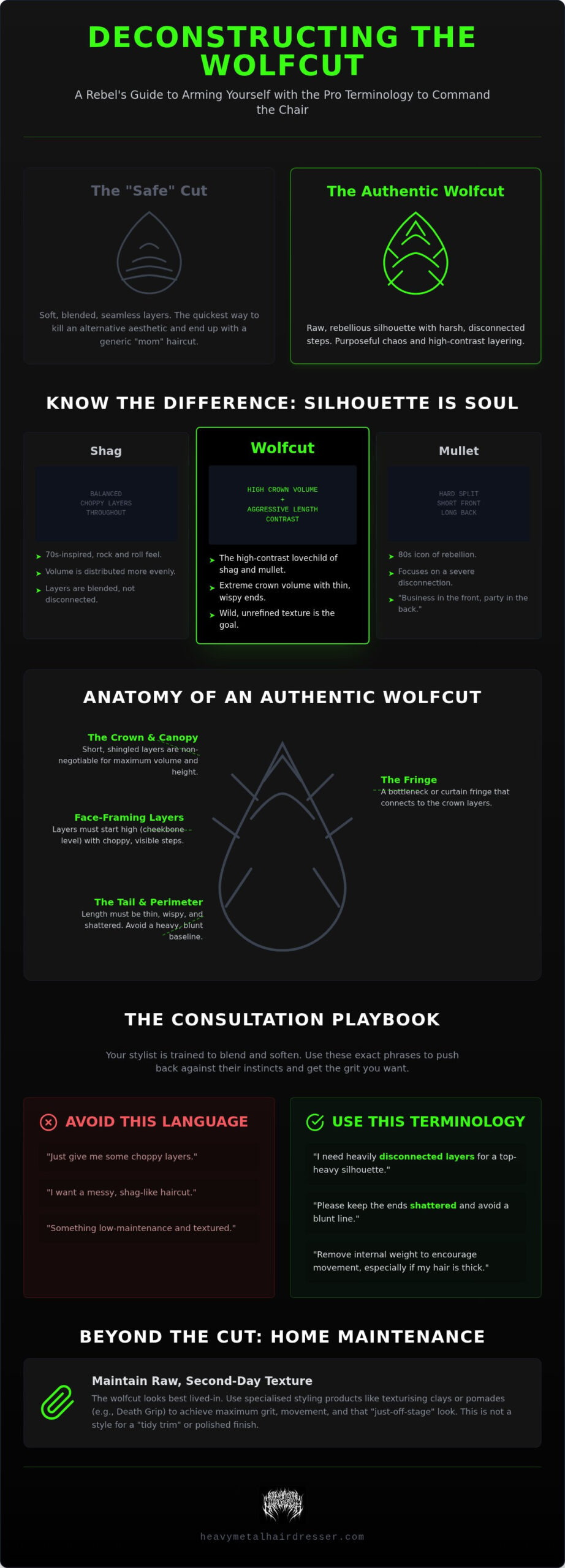
What is the difference between a shag and a wolfcut?

The main difference is the level of aggression and disconnection. A shag is a technical masterpiece of internal layers distributed throughout the hair. A wolfcut leans harder into mullet territory with more extreme disconnection between the top and the bottom. Both prioritise texture over blending, but the wolfcut is generally more “top-heavy” in its silhouette.

How often do I need to trim a shag haircut to keep the shape?

Most clients only need a trim every three to four months. Because the layers are shattered and raw by design, they don’t grow out into awkward shelves. The shape simply evolves into a longer, lazier version of the original cut. It is a style that respects your schedule whilst maintaining its subcultural edge.

Do I have to have a fringe with a shag haircut?

You don’t strictly need a fringe, but it is often the anchor of the style. Most alternative versions use a heavy curtain or micro-fringe to frame the eyes with intent. If you choose to skip the fringe, we focus more on face-framing “bits” to ensure the layers still have an aggressive point of origin.

Is the shag haircut gender-neutral?

The shag is entirely gender-neutral and inclusive by design. It doesn’t care about traditional beauty binaries. It only cares about your personal grit and the energy you bring to the chair. It is a weapon of self-expression that works for anyone looking to reclaim their identity from the mainstream.

What products should I use to style a shag for an alternative look?

You need products that provide hold and raw texture. Use Death Grip for that essential second-day grit and Hair To the Throne for maximum crown height. These tools help you understand how to know if a shag haircut will suit me by giving you the power to maintain that defiant, textured edge every single day.

Posted on

The Shag Haircut Resurrection: A Guide to Aggressive Texture and Subcultural Grit

The Shag Haircut Resurrection: A Guide to Aggressive Texture and Subcultural Grit

The modern shag isn’t just a haircut. It’s a percussive, high-texture weapon of self-expression that thrives on chaos and disconnection. If you’ve been hunting for a shag haircut Nottingham stylists won’t turn into a “safe” 70s throwback, you’re finally in the right place. Most salons try to polish the grit out of alternative styles, leaving you with something far too pretty and polite. We know you want the raw edge of a subcultural icon, not a watered-down version of a trend that prioritises “pretty” over personality.

It’s exhausting when a stylist treats your hair like a standard service instead of an identity. You deserve a look that feels authentic to your scene, requiring nothing more than a quick tousle before you head out. Discover why the shag is the ultimate tool for non-conformist style and how to master that aggressive, lived-in texture. We’ll also break down the differences between shags, mullets, and wolfcuts. You’ll learn how to secure a high-impact cut in a gender-neutral space that actually understands your music and your subculture.

Key Takeaways

  • Understand the shift from soft 70s layers to the aggressive, gritty shapes that define the modern alternative shag.
  • Decode the technical anatomy of a high-texture cut, focusing on short internal layers and heavy fringe work for a chaotic finish.
  • Learn the critical differences between shags, wolfcuts, and mullets to ensure you choose the right silhouette for your identity.
  • Master the “wash and go” styling method that lets your natural texture do the heavy lifting with minimal daily maintenance.
  • Connect with a stylist who understands subculture and provides a safe, gender-neutral experience for your next shag haircut Nottingham.

The Resurrection of the Shag: More Than Just a Trend

Mainstream salons love to label everything a trend. They see a high-texture cut and call it “the look of the season” before moving on to the next polished bob. We don’t play that game. For the alternative community, the shag is a resurrection of a subcultural staple that never truly went away. It’s an aggressive, multi-layered beast defined by heavy fringe work and intentional disconnection. If you’re searching for a shag haircut Nottingham stylists won’t try to “tidy up,” you’re looking for a cut that embraces chaos over conformity.

We’ve evolved far beyond the soft, feathered aesthetic of the 1970s. While the history of the shag is rooted in the rock and roll rebellion of decades past, today’s shapes are grittier. They are more percussive. The modern alternative shag trades delicate blending for raw edges and internal layers that create massive volume. It’s a style that has survived through every era of underground music, from the jagged lines of 70s punk to the heavy, textured silhouettes of the modern metal scene. It’s a favourite amongst those seeking a gender-neutral or non-binary aesthetic because it refuses to play by the rules of traditional “masculine” or “feminine” styling.

Why the Shag Refuses to Die

This cut is a shapeshifter. It works on waist-length manes and chin-length crops alike. The versatility comes from how the weight is distributed. By removing bulk internally, we create a shape that moves when you move. It’s a psychological power move. Wearing a cut that prioritises your individuality over a “safe” standard changes how you walk into a room. It also serves as the ultimate canvas for vivid hair colour. Those choppy layers allow high-pigment tones to pop, creating depth and shadow that a flat, one-length cut simply can’t match.

Breaking the Traditional Beauty Standard

Traditional salons are obsessed with being “pretty.” They want every hair in place. They want a “finished” look that feels clinical and fragile. An alternative shag haircut Nottingham is the opposite. It’s raw. It’s unfiltered. The shag acts as a direct rejection of the binary beauty norms found in mainstream hair centres. You don’t need a look that requires an hour of heat styling just to look “acceptable” to society. You need a stylist who understands subcultural nuances. Someone who knows that your hair is a weapon of self-expression, not just a service on a price list. We build shapes that look better the more they are lived in, ensuring your grit stays intact from the salon chair to the mosh pit.

Anatomy of an Aggressive Shag: Layers, Texture, and Grit

Achieving a true alternative aesthetic requires more than just a few layers. It demands a technical understanding of how weight and tension interact. While mainstream media often highlights the modern resurgence of the shag, they rarely dive into the grit required for a subcultural look. An aggressive shag haircut Nottingham is built on short internal layers that provide the “engine” for volume. We use scissor slicing to create sharp, jagged lines that refuse to lay flat. For those seeking a slightly more lived-in feel, razor cutting offers a serrated edge that looks intentionally distressed from day one.

Adapting this silhouette for different hair densities is where the skill lies. If you have thick hair, we use square layers to remove bulk without losing the shape. For finer textures, we keep the perimeter stronger whilst pushing the internal texture to its limit. The goal is a cut that looks chaotic but is technically sound. It shouldn’t just look like a mess. It should look like a weapon. If you’re ready to ditch the safe salon experience, our alternative cutting experts are ready to carve out a shape that actually fits your identity.

The Secret is in the Disconnection

Disconnection is the soul of alternative hair. In traditional hairdressing, every layer is expected to blend seamlessly into the next. We throw that rulebook away. By creating disconnected sections, we can build height and texture that stays put. This technique is vital for preventing the “mushroom” effect on thick hair. It allows the top layers to sit independently, creating pockets of movement. These gaps are what make the hair thrive in a mosh pit. It ensures your hair has a life of its own, moving with energy rather than sitting in a heavy, stagnant block.

Face-Framing and Fringes: The Focal Point

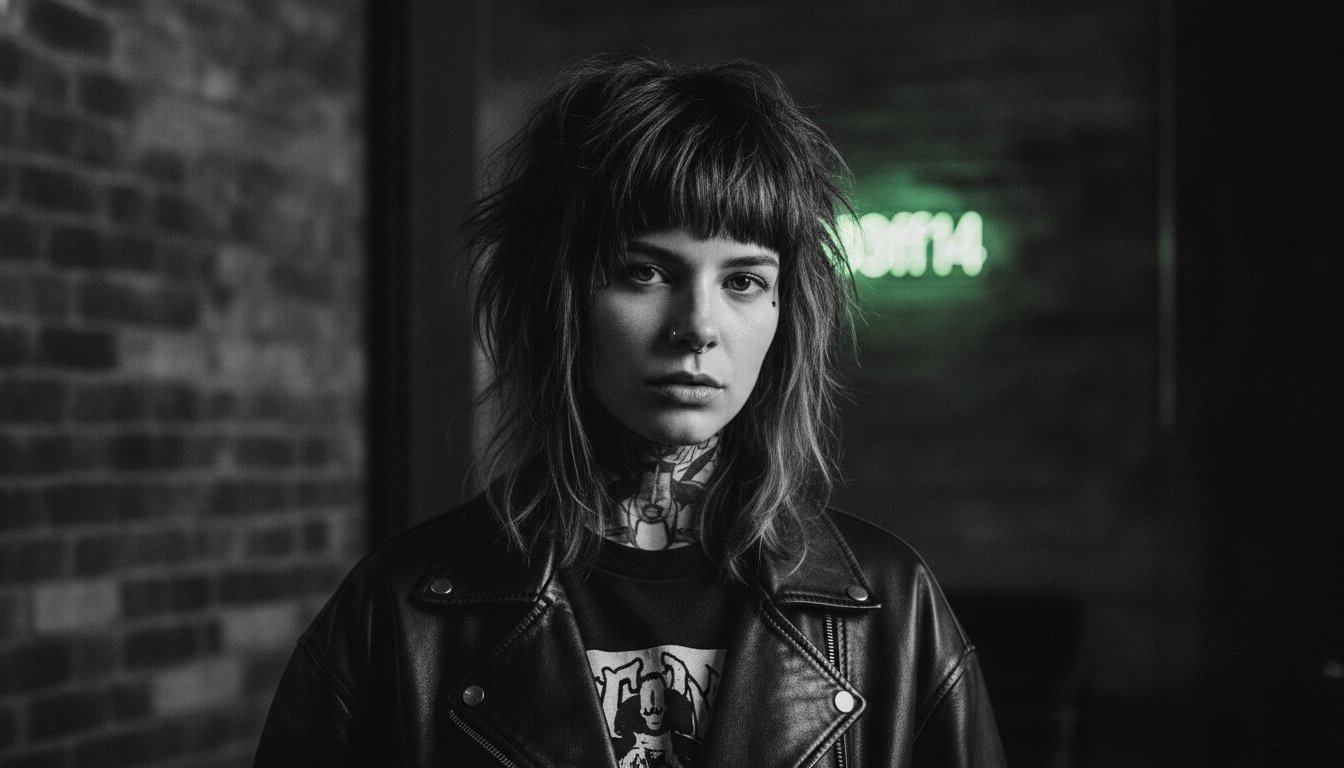
The fringe is the anchor of the entire look. A heavy fringe that integrates directly into the shortest layers of the shag creates a cohesive, aggressive frame for the face. You can push this further with a micro-fringe for a sharper, more punk-inspired edge. If you prefer something slightly more versatile, bottleneck or curtain bangs provide a frame that can be styled to enhance your cheekbones or jawline. The key is the transition. The face-framing should feel like an extension of the texture, not a separate piece of the puzzle. We don’t do “pretty” face-framing. We do face-framing that demands attention.

The Shag Haircut Resurrection: A Guide to Aggressive Texture and Subcultural Grit

Shag vs Wolfcut vs Mullet: Choosing Your Weapon

Choosing your silhouette is a tactical decision. It isn’t just about length; it’s about where the weight sits and how much aggression you want to project. Mainstream salons often confuse these three styles, but for the alternative community, the distinctions are vital. Getting a shag haircut Nottingham style means knowing exactly how much chaos you want to carry. Whilst they all share a heritage of texture, the way they move and grow out varies significantly. You need to understand the weaponry before you commit to the cut.

The choice often comes down to the balance of layers. The shag is deeply connected to the history of the shag haircut, which has always been about a balanced distribution of volume. It’s the most versatile of the three. If you want something that pushes the boundaries further, you might look at a wolf hair cut or a classic mullet. These hybrid styles blur the lines, taking the best parts of the shag and adding more extreme disconnection to create a shape that feels entirely unique to your scene.

The Comparison Framework

  • The Shag: This is the foundation. It offers balanced volume across the head with a heavy fringe and consistent texture. It’s the most “wearable” whilst still maintaining a gritty edge. It also grows out the most gracefully, making it ideal if you can’t get to the salon every six weeks.
  • The Wolfcut: Think of this as the shag’s feral younger sibling. It features top-heavy volume and extreme tapering through the lengths. It has a more “wild” appearance that relies on heavy disconnection to keep the shape from looking like a standard layered cut.
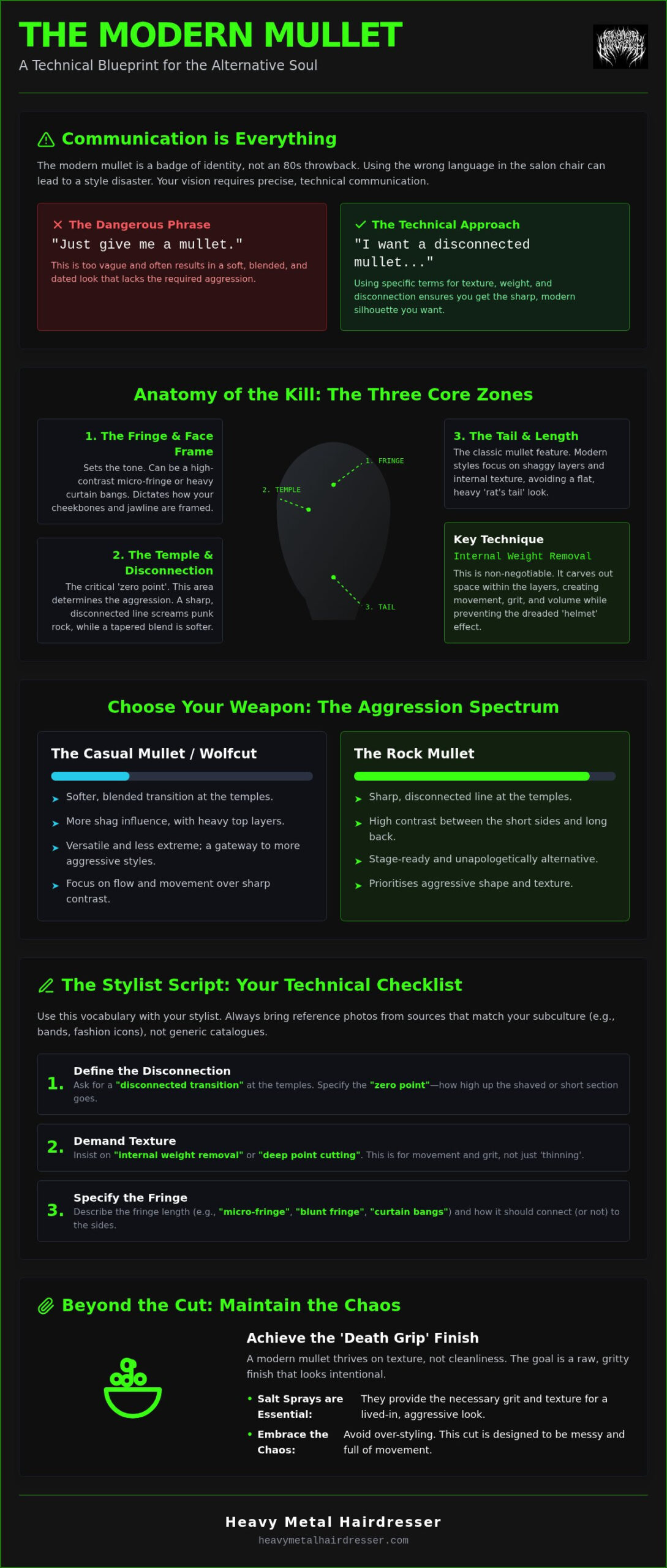
  • The Mullet: The ultimate disconnected shape. It’s business at the front and a party at the back. It has the most distinct difference between the short top and sides and the long back, offering a silhouette that is unapologetically bold.

Matching the Cut to Your Hair Behaviour

Your hair’s natural behaviour should dictate your choice. If you have fine hair that feels flat, a shag or wolfcut provides a much-needed injection of volume. The short internal layers act as a scaffold, pushing the hair up and out. For those with thick hair that feels like a heavy helmet, the mullet or a heavily thinned-out shag is the best option for significant weight removal. We use aggressive thinning techniques to ensure the hair moves with you rather than sitting in a stagnant block. Ultimately, the best choice is always the one that makes you feel most like yourself. Whether you want a shag haircut Nottingham or a jagged mullet, we focus on the shape that empowers your identity.

Mastering the Mess: Maintenance and Styling for Mosh Pit Survival

Mainstream styling is often too precious. You don’t want a look that wilts the second you enter a venue. A proper shag haircut Nottingham is designed for mosh pit survival. The “wash and go” philosophy isn’t about being lazy. It’s about trusting the technical architecture of the cut. When the layers are carved correctly, the texture does all the heavy lifting. You just need to provide the grit using salt sprays and dry waxes to enhance that lived-in feel. It should look like you’ve just stepped off a stage, even if you’ve just stepped out of the shower.

Aggressive styling doesn’t have to mean dead hair. Whilst we love the matte, gritty finish of subcultural looks, your hair still needs a soul. Use a deep conditioning treatment once a week to offset the drying effects of high-texture products. This ensures your layers stay flexible and don’t snap under the pressure of daily styling. If you’re ready to master this look, you can book your transformation with our expert team to get a cut that works for your lifestyle.

The Alternative Styling Kit

Your toolkit needs to be as rebellious as your cut. We recommend high-hold, matte-finish products like Death Grip to keep your layers separated and sharp. For those needing a boost at the crown, Hair To the Throne is the ultimate weapon for creating height and volume. If you have natural waves, use a diffuser on a low heat setting. This enhances your natural pattern without creating the frizz that traditional blow-drying often causes. It keeps the chaos intentional and the volume high.

Survival in the Pit: Festival Hair Tips

Keeping a shag looking sharp after three days in a tent at Download or Bloodstock is an art form. When your layers start to flatten, don’t panic. Reach for a dry shampoo to soak up excess oil and use a finger-scrunching technique to reactivate the texture. Focus on the roots to maintain that essential crown volume. For a deeper dive into keeping your look intact during the summer season, check out our festival hair survival guide. A little grit is good, but you want to look like you own the pit, not like you’ve been buried in it.

Heavy Metal Hairdresser: Your Safe Space for Alternative Expression

Heavy Metal Hairdresser is more than just a place to get a trim. It’s a gender-inclusive safe space built specifically for the alternative community. We don’t do “pretty” or “safe” here. Simon Tuckwell has spent his career mastering the subcultural aesthetics that mainstream stylists often fear. Our expertise isn’t just theoretical. We are deeply embedded in the music scene, from styling for touring bands to providing high-energy backstage work at major festivals. When you book a shag haircut Nottingham, you’re entering a zone where being different is the standard. We celebrate the non-conformists.

The “safe space” ethos is the heartbeat of our salon. It means expert execution of your vision without an ounce of judgment. We understand that your hair is a vital part of your identity and self-expression. We’ve carved out a sanctuary where everyone is welcome, regardless of gender or background. It’s about creating an environment that feels like a home for the outsiders. We don’t just cut hair; we advocate for your individuality. We provide the technical proficiency to make your alternative vision a reality whilst ensuring you feel supported throughout the process.

Why We Are Different

We reject the polished, clinical feel of traditional salons. We embrace the raw, the gritty, and the unfiltered energy of the underground. Our stylists aren’t just guessing how to create texture. They are specifically trained through our alternative hair courses to master the complex disconnection and aggressive layering these shapes demand. We also offer a range of branded alternative hair merch so you can represent the community outside the salon walls. We provide the elite technical skills needed for subcultural hair whilst maintaining a vibe that is unapologetically independent.

Your Consultation: Building the Vision

Every session starts with a conversation that goes beyond hair. We want to know about your music tastes as much as your maintenance habits. Your favourite subcultures often dictate the silhouette more than any mainstream trend ever could. Whether you’re into black metal, hardcore punk, or gothic rock, we use those influences to customise your shag haircut Nottingham. We don’t do “copy and paste” styles. We build a vision together that fits your unique identity and daily life. It’s time to stop settling for stylists who want to make you look “normal.” Book your transformation today and join a community that understands your grit.

Claim Your Subcultural Silhouette

You now have the blueprint for a look that rejects mainstream boredom. Whether you choose the balanced grit of a shag or the feral energy of a wolfcut, the focus remains on technical disconnection and aggressive texture. You don’t have to settle for a “pretty” salon experience that doesn’t understand your scene. We’ve shown you how to master the mess and maintain that essential volume with minimal daily effort. It is about trusting the architecture of the cut and letting your natural texture do the heavy lifting.

At Heavy Metal Hairdresser, we are specialists in aggressive texture and vivid colour. We provide a gender-inclusive safe space where your identity is celebrated rather than tolerated. Our team has styled backstage at Download and Bloodstock festivals, so we know exactly how to build a look that survives the chaos of the pit. If you are ready for a shag haircut Nottingham that actually carries some weight, step into our sanctuary. Book your alternative shag transformation with the experts and join a community that values your individuality. Your hair is your weapon. Use it.

Alternative Hair FAQs

Is a shag haircut suitable for fine or thin hair?

A shag is one of the most effective ways to inject volume into fine hair. By carving out short internal layers, we create a scaffold that pushes the remaining hair up and out. This prevents the flat, lifeless look often associated with one-length cuts. We keep the perimeter strong whilst focusing the texture on the crown to ensure the hair looks dense and full of energy.

How often do I need to get my shag haircut trimmed to keep the shape?

You should aim for a trim every 8 to 12 weeks to maintain the technical silhouette. One of the biggest benefits of a shag haircut Nottingham is that it grows out much more gracefully than a precision bob or a pixie. Because the layers are intentionally disconnected and gritty, the shape evolves into a longer, lived-in version of itself without looking messy or unkempt.

Can I have a shag haircut if I have very curly hair?

Curly hair and shags are a perfect match. This cutting technique removes the heavy weight that often causes curls to look like a triangle. By adding layers throughout the head, we allow your natural pattern to spring up and find its own rhythm. It is an ideal way to manage volume whilst celebrating the raw, chaotic energy of your natural curls.

What is the difference between a modern shag and a 70s shag?

The modern version is far more aggressive and disconnected than its 70s predecessor. Whilst the original 70s look relied on soft, feathered blending, the modern alternative shag focuses on jagged lines and heavy fringe work. It trades the “pretty” aesthetic for a gritty, subcultural edge that feels more at home in a mosh pit than at a disco.

How do I style a shag haircut if I don’t have much time in the morning?

The best way to style a shag is to let the cut do the work. Simply mist your hair with a salt spray whilst damp and scrunch it with your fingers. This enhances the built-in texture without requiring heat tools. It is a “wash and go” style that thrives on being slightly undone, making it perfect for anyone with a fast-paced lifestyle.

Is the shag haircut considered a gender-neutral style?

The shag is a staple of gender-neutral and non-binary self-expression. It ignores the traditional binary norms of mainstream salons, offering a silhouette that is not tied to “masculine” or “feminine” standards. This makes it a favourite amongst the alternative community in shag haircut Nottingham searches. It is a versatile weapon for anyone who wants their hair to reflect their unique identity.

What products are best for adding texture to a shag haircut?

You need matte-finish products that provide hold without adding shine. A dry wax like Death Grip is essential for separating layers and creating that gritty, lived-in feel. For those wanting maximum height, a crown-boosting product like Hair To the Throne provides the necessary lift. Avoid heavy oils or silicones that might weigh down the delicate internal layers.

Do I need to blow-dry my shag every time I wash it?

Air-drying is often the best way to maintain the raw energy of an alternative shag. If you do use a hairdryer, use a diffuser on a low heat setting to prevent frizz. This keeps the texture tight and the volume high. Most of our clients find that the cut looks more authentic when it is allowed to dry naturally and settle into its own chaotic shape.

Posted on

Wolfcut vs Shag vs Mullet: Choosing Your Alternative Hair Identity

Wolfcut vs Shag vs Mullet: Choosing Your Alternative Hair Identity

Your hair is a weapon of self-expression that should scream louder than the mainstream noise. We know the fear. You’re scrolling through endless grids, terrified that a request for texture will land you a suburban “Karen” bob instead of the subcultural grit you crave. Deciphering the wolfcut vs shag vs mullet debate is exhausting whilst the terminology remains a chaotic mess of overlapping trends. You’re likely worried that your fine strands will look limp or your thick mane will turn into an accidental mushroom.

This guide deconstructs these three silhouettes to ensure you find the specific shape that matches your spirit. We’ll break down the structural differences between these choppy icons and explain how they interact with your natural hair type. By the end, you’ll have the technical vocabulary and the confidence to book an alternative specialist who understands your aesthetic. It’s time to stop guessing and start carving out a look that’s unapologetically yours.

Key Takeaways

  • Master the structural differences between the 70s-inspired shag, the high-contrast mullet, and the hybrid wolfcut.
  • Settle the wolfcut vs shag vs mullet debate by comparing silhouettes, ranging from rounded crown volume to tapered, aggressive edges.
  • Learn how to weaponise your natural texture to either inject volume into fine strands or manage bulk in thicker hair.
  • Evaluate maintenance requirements and styling rituals to ensure your look survives everything from daily life to the mosh pit.
  • Discover why trusting an alternative specialist is vital for a gender-inclusive experience that avoids a suburban haircut disaster.

The Unholy Trinity: Distinguishing the Wolfcut, Shag, and Mullet

Choosing your weapon is about more than just a trim. It’s about carving out a silhouette that refuses to blend in. The confusion in the wolfcut vs shag vs mullet debate is understandable because these styles share a common DNA. They all prioritise heavy texture, disconnected lengths, and a reckless disregard for traditional, “polished” blending. These aren’t just haircuts; they’re structural statements designed to weaponise your hair’s natural chaos.

The shag is the foundation of this unholy trinity. Born in the 1970s, it’s the queen of crown volume and choppy, short layers. If you look into shag haircut history, you’ll see it was the original rebellion against the stiff, structured styles of the previous decade. It’s built on a “halo” of layers that creates height at the top whilst keeping the ends feathered and light.

The mullet takes a more aggressive stance. It rejects the binary of short or long hair by forcing both into a single, high-contrast look. It’s defined by a sharp “step” between the sides and the back. There’s no soft transition here. It’s a deliberate disruption of the head’s natural shape. Modern variations have pushed this even further, moving from the subtle “rat-tail” to the high-fashion “power mullet” that dominates the underground scene.

The wolfcut is the K-pop-inspired hybrid that bridges the gap. It takes the heavy, voluminous top of a shag and marries it to the tapered, longer back of a mullet. It’s shaggier than a traditional mullet but more aggressive than a standard shag. This shared lineage of choppy layers is exactly why people struggle to tell them apart. They all live in the same house of grit; they just occupy different rooms.

The Shag: Volume and Fringe Focus

The shag is characterised by even weight distribution and heavy face-framing. It’s the perfect choice for anyone wanting maximum texture without the extreme tail of a mullet. The focus is always on the “halo” of volume around the crown. This look works best when paired with a “deadly” set of curtain bangs or a heavy, full fringe. It’s about creating a soft but messy frame for your face that looks just as good in a mosh pit as it does on the street.

The Mullet: Extreme Disconnection

Disconnection is the hallmark of the mullet. Unlike the wolfcut, which tries to blend the lengths slightly, the mullet celebrates the gap. The sides are often buzzed or cut extremely short, creating a massive contrast with the length at the nape. It’s a bold choice for those who want to completely disrupt their silhouette. Whether you’re rocking a micro-fringe or a slicked-back top, the mullet remains the ultimate symbol of subcultural independence.

Choosing Your Weapon: Key Differences in Shape and Silhouette

Understanding the wolfcut vs shag vs mullet debate requires looking at the physics of the hair. It’s about where the weight lives and how the silhouette interacts with the air. A shag is fundamentally round. It creates a halo of volume that encircles the head; maintaining fullness from the crown down to the jawline. It’s the softest of the three, even with its choppy layers. The weight is distributed evenly, making it feel lush and textured rather than aggressive.

The wolfcut shifts that weight upwards. It’s shaggier at the top but tapers aggressively as it reaches the shoulders. Think of it as a top-heavy explosion of texture that thins out into wispy, feathered ends. In contrast, the mullet keeps the sides flat and sleek. The visual weight sits entirely at the nape. When you look into the origin of the term ‘mullet’, you see a history of hair that defies standard proportions. It’s a silhouette that refuses to be “balanced” in the traditional sense, sitting heavy at the back whilst leaving the temples exposed.

Layering techniques also define the “grit” of your look. Razor-cutting is often the preferred method for these alternative styles. It creates shredded, irregular ends that scissor-cutting simply cannot replicate. Scissor-cut precision is great for structure, but the razor provides that lived-in, mosh-pit-ready energy. If you’re looking to truly transform your silhouette, you need a specialist who knows when to put down the shears and pick up the blade to carve out those disconnected channels.

Wolfcut vs Shag: The Battle of the Layers

The main difference here is the level of “bite” in the texture. Wolfcuts utilise more deliberate chaos at the crown than a traditional shag. Whilst a shag focuses on a cohesive, face-framing flow, the wolfcut wants to look like you’ve just woken up in a tour bus. It’s about more disconnected, shorter layers at the top that transition into longer, thinner lengths. Choose the shag if you want volume that feels full; choose the wolfcut if you want volume that feels sharp and tapered.

Mullet vs Wolfcut: The Disconnection Debate

The mullet is a deliberate “disaster” of two different lengths. There is no attempt to bridge the gap between the short temples and the long back. This extreme disconnection makes it a powerful tool for gender-neutral styling, rejecting traditional “beauty” standards. The wolfcut, however, seeks to blend that disconnection. It uses cascading layers to create a bridge between the top and the bottom. It offers more versatility for those who aren’t quite ready to commit to the stark, jarring contrast of a traditional power mullet.

Wolfcut vs Shag vs Mullet: Choosing Your Alternative Hair Identity

Hair Texture and Face Shape: Which Cut Suits Your Chaos?

Forget the outdated “rules” found in glossy magazines. The idea that your face shape or hair texture dictates your style is a myth designed to keep you looking “safe.” In the world of alternative styling, we don’t hide your features; we weaponise them. Whether you have pin-straight strands or a chaotic mane of curls, the wolfcut vs shag vs mullet debate is really about how you want to manipulate your specific texture to serve your aesthetic.

Curly and wavy manes are built for these silhouettes. These cuts thrive on movement and even a bit of frizz. Whilst traditional salons might try to “tame” your curls, we use them to build height and grit. The natural bounce of a wave provides the perfect foundation for the disconnected layers of a mullet or the feathered edges of a wolfcut. It’s about letting the hair live its own life whilst we provide the structural boundaries.

Injecting Volume into Fine Hair

Fine hair often feels like a curse when you’re craving an alternative edge. It goes flat, loses its shape, and refuses to hold volume. This is where the wolf hair cut acts as a genuine cheat code. By stacking short, choppy layers at the crown, we eliminate “flat-head” syndrome and create an illusion of density. The key is avoiding over-thinning at the ends. We keep the perimeter solid to maintain a strong silhouette whilst the top remains a chaotic explosion of texture. It’s the ultimate way to make thin strands look aggressive and intentional.

Taming the Beast: Thick and Coarse Hair

Thick hair can feel like a heavy helmet if it isn’t carved correctly. If you have a massive amount of hair, a traditional shag haircut is your best ally for bulk management. We use internal thinning techniques to remove weight from the “inside” of the cut. This allows the hair to move freely without losing that signature shaggy attitude. For those with coarse hair that holds too much heat, the mullet is a practical masterpiece. By taking the sides short, we reduce the overall mass of the hair whilst keeping the length at the back for maximum impact. It’s about maintaining a sharp, aggressive edge without the hair becoming an unmanageable mushroom shape.

The Reality Check: Maintenance, Styling, and Mosh Pit Survival

Styling for the Stage and the Pit

Sea salt sprays and dry textures are the lifeblood of alternative hair. They provide that “backstage” grit that makes layers look intentional rather than accidental. You’ll need textured styling products to maintain the structural integrity of your cut throughout the day. When you’re mid-way through a festival set, the last thing you want is your fringe blinding you. A quick blast of dry shampoo or a tactical hair-flip usually fixes the damage after a set. We recommend a “Death Grip” approach to your styling. This means using high-hold, matte products to freeze those aggressive layers in place. It ensures your hair remains defiant; even after hours of headbanging. It’s about creating a shape that doesn’t just look good in the mirror but survives the impact of a front-row crowd.

Maintenance Schedules

Life happens. Sometimes you can’t get to the chair for months. Your chosen silhouette in the wolfcut vs shag vs mullet hierarchy determines how graceful that growth-out phase will be.

  • Mullets: These require the most discipline. To keep the “party” in check, you’ll need frequent side-shaves. Once the sides start to blend with the back, you lose that signature disconnection.
  • Shags: The ultimate low-maintenance weapon. Shags can grow into beautiful, lived-in chaos for up to 12 weeks without losing their soul. The layers just get heavier and more “70s rock star.”
  • Wolfcuts: These sit in the middle. You’ll need crown trims every 6-8 weeks. If the top gets too heavy, the volume collapses, and you lose that “wolfy” aggression.

Don’t let your hair become a burden. If you’re ready to find a style that survives your lifestyle, secure your spot with a specialist who actually understands the scene and knows how to build a cut that lasts.

Claiming Your Identity at Heavy Metal Hairdresser

Walking into a traditional salon with a reference photo of a jagged, disconnected style often leads to disappointment. Most stylists are trained to blend, soften, and “correct” the very features that make alternative hair iconic. They see a “mistake” where you see a statement. They’ll likely try to “Karen-proof” your layers, leaving you with a safe, suburban bob instead of the grit you asked for. This is why the wolfcut vs shag vs mullet choice requires more than just a pair of scissors. It requires a specialist who speaks your language and respects your subcultural identity. At Heavy Metal Hairdresser, we don’t just cut hair; we weaponise it to reflect your internal chaos.

Beyond the Binary Styling

We believe hair has no gender. Your aesthetic shouldn’t be limited by outdated labels or binary expectations. Our focus is entirely on the silhouette that makes you feel powerful and seen. Whether you’re chasing the crown-heavy volume of a shag or the sharp, aggressive lines of a mullet, we create a safe space for your transformation. The salon is a sanctuary for the alternative community; a place where being different is the standard, not the exception. We work with you to ensure your haircut is a tool for self-expression that defies mainstream norms. It’s about carving out a shape that fits your soul, not a box.

Expertise You Can Trust

Simon Tuckwell’s approach to alternative haircutting is forged in the trenches of the UK music scene. From styling backstage at Download Festival to the daily grind in the salon chair, the experience here is authentic and raw. We understand the technical nuances of a modern mullet haircut better than anyone because we live and breathe this culture. We know how to carve out texture that survives a mosh pit whilst maintaining its shape for weeks. We don’t follow a template; we use razors and shears to sculpt a look that belongs to you alone. This isn’t a temporary trend for us; it’s a lifelong commitment to the scene.

Ready to stop compromising? Stop settling for stylists who want to “tame” your vision or make you look “presentable” for a corporate world you don’t belong to. Book your session at Heavy Metal Hairdresser today and join a community of outsiders who value authenticity over polish. Let’s find your perfect silhouette amongst the unholy trinity and give your hair the edge it deserves. Your transformation starts with a stylist who actually gets it.

Forge Your New Silhouette

You’ve deconstructed the unholy trinity. You now know that the wolfcut vs shag vs mullet choice isn’t about following a fleeting trend; it’s about claiming a structural silhouette that matches your subcultural grit. Whether you’re chasing the rounded crown volume of a shag, the tapered chaos of a wolfcut, or the defiant, high-contrast disconnection of a mullet, the power lies in the execution. We don’t just cut hair to fit a template. We carve it to weaponise your natural texture and reflect your identity.

We aren’t just another salon; we’re a sanctuary for the outsiders. As the official hair stylists for Download and Bloodstock festivals, we’ve mastered the art of creating looks that survive the pit and the stage. Our studio is a gender-inclusive safe space where your transformation is respected, understood, and celebrated. We specialise in the aggressive textures and sharp lines that traditional salons are too afraid to touch.

Stop settling for suburban trims that dilute your spirit. Book your alternative hair transformation with Simon Tuckwell and join a community that values raw authenticity over mainstream polish. It’s time to let your hair scream as loud as your music. Your new identity is waiting.

Frequently Asked Questions

What is the main difference between a wolfcut and a shag?

The main difference lies in the weight distribution and the final silhouette. A shag is about even volume and a rounder halo of texture that frames the entire face with a softer flow. A wolfcut is top-heavy. It prioritises extreme crown volume that tapers into wispy, thinner lengths at the bottom. Whilst they share choppy layers, the wolfcut feels more aggressive and tapered. The shag remains fuller around the jawline and temples.

Can I get a mullet if I have very fine hair?

You can absolutely rock a mullet with fine hair. In fact, the extreme disconnection of a mullet is a secret weapon for thin strands. By taking the sides short or even buzzed, you create a massive contrast that makes the hair on top and at the back look significantly denser. It’s about using negative space to build a more powerful silhouette without needing thick hair. This technique injects attitude into hair that usually feels limp.

How often do I need to trim a wolfcut to keep it looking sharp?

To keep a wolfcut looking sharp and defiant, you should book a professional trim every 6 to 8 weeks. Because this style relies on a specific balance of crown volume and tapered ends, even a small amount of growth can make the top look heavy and flat. Regular maintenance ensures those short, choppy layers stay high and aggressive rather than collapsing into a shapeless mess. It’s the only way to keep the grit alive as it grows.

Is a shag haircut high maintenance for someone who doesn’t style their hair?

A shag is the ultimate low-maintenance weapon for anyone who hates daily styling rituals. It’s designed to look better as it gets messier and more lived-in. If you’re a “wash and go” person, the natural texture of the cut does the work for you. You don’t need a blow-dryer to make it look intentional. Just use a bit of salt spray to enhance the grit and let the chaotic layers speak for themselves.

Which of these cuts is best for a round face shape?

The wolfcut is often the winner for a round face within the wolfcut vs shag vs mullet hierarchy. Its stacked layers at the crown provide vertical height that elongates the face. However, a mullet is equally effective. By keeping the sides sleek and flat, it narrows the head’s profile. Both styles reject the traditional “hiding” of features in favour of creating a bold, structural frame. They add edge where traditional cuts offer only softness.

What should I ask my hairdresser for if I want a “shullet”?

Ask your specialist for a hybrid that combines the heavy face-framing and crown layers of a shag with the distinct back length of a mullet. You want the volume of the 70s but with a clear “tail” at the nape. Be specific about wanting a less aggressive “step” than a traditional mullet whilst maintaining more disconnection than a standard shag. It’s about finding the middle ground between roundness and taper to create a custom shape.

Can I combine a wolfcut with vivid hair colour?

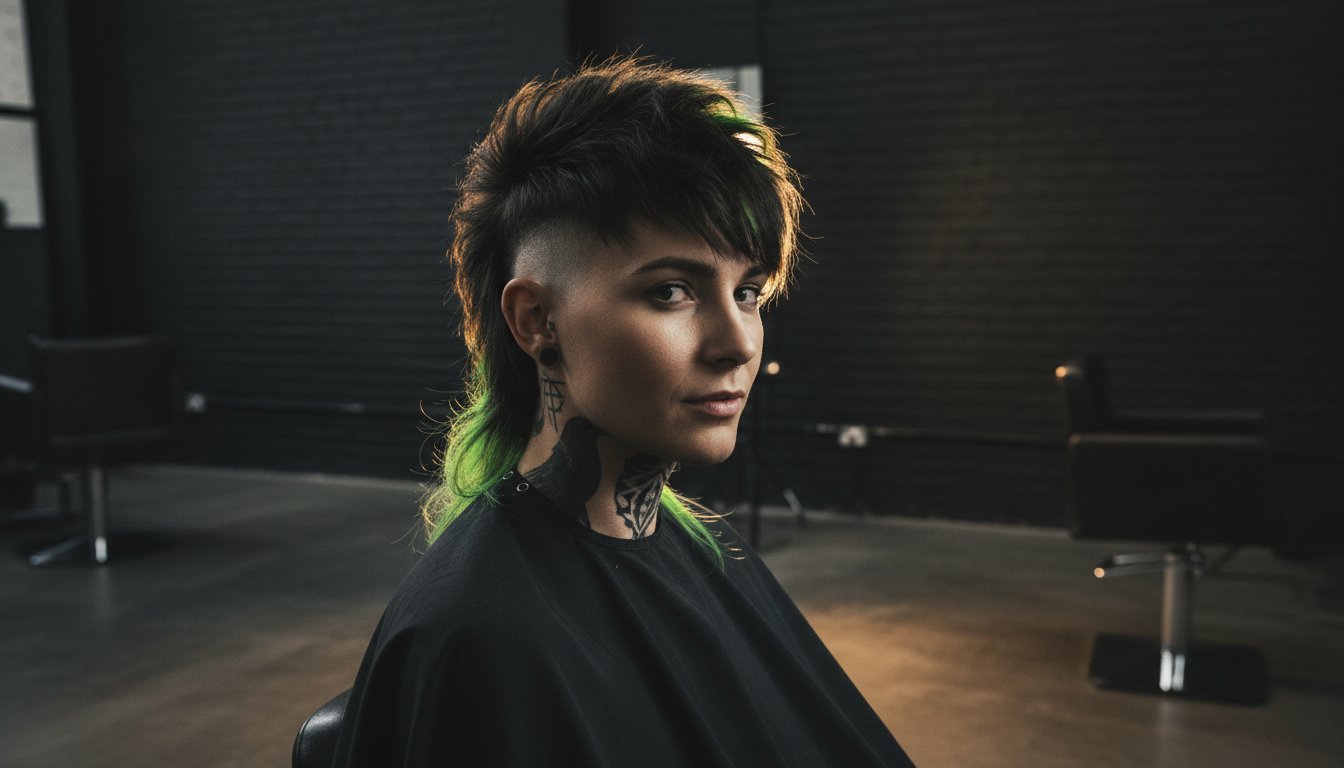
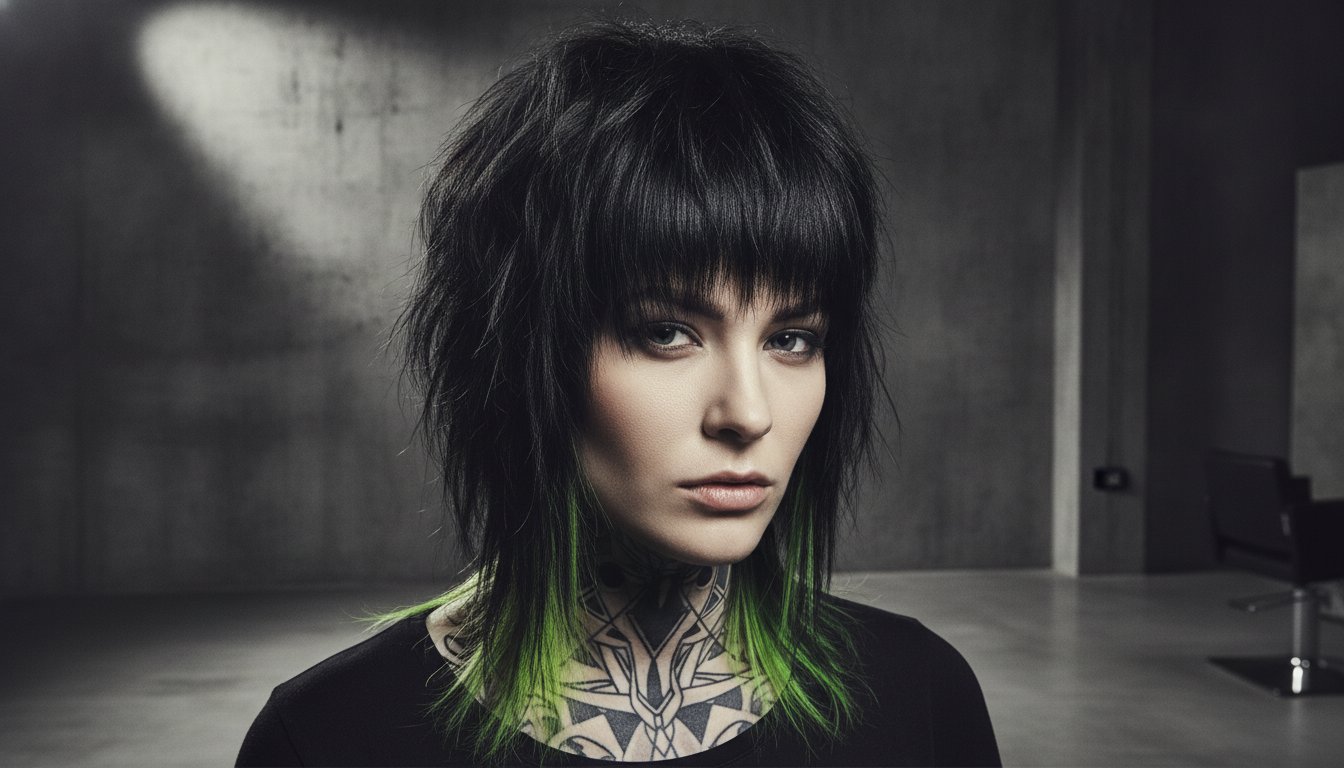
Combining a wolfcut with vivid hair colour is the ultimate way to saturate your identity. High-pigment tones like neon greens or deep purples highlight the jagged, razor-cut layers that make this style iconic. The movement of the cut allows different shades to peek through, creating a multidimensional look that feels alive and rebellious. It’s a powerful combination for anyone looking to fully weaponise their aesthetic and stand out from the crowd.

Will a mullet make me look like I’m from the 80s?

A modern mullet doesn’t have to look like a vintage relic. The 2026 version prioritises aggressive texture and sharp, intentional disconnection over the permed, poofy styles of the 80s. By pairing the long back with a micro-fringe or a textured top, you create a look that feels futuristic and subcultural rather than a costume. It’s about using the silhouette to disrupt the norm and celebrate your identity, not to replicate a specific decade’s fashion.

Posted on

How to Ask Your Stylist for a Wolfcut: The Ultimate Alternative Consultation Guide

How to Ask Your Stylist for a Wolfcut: The Ultimate Alternative Consultation Guide

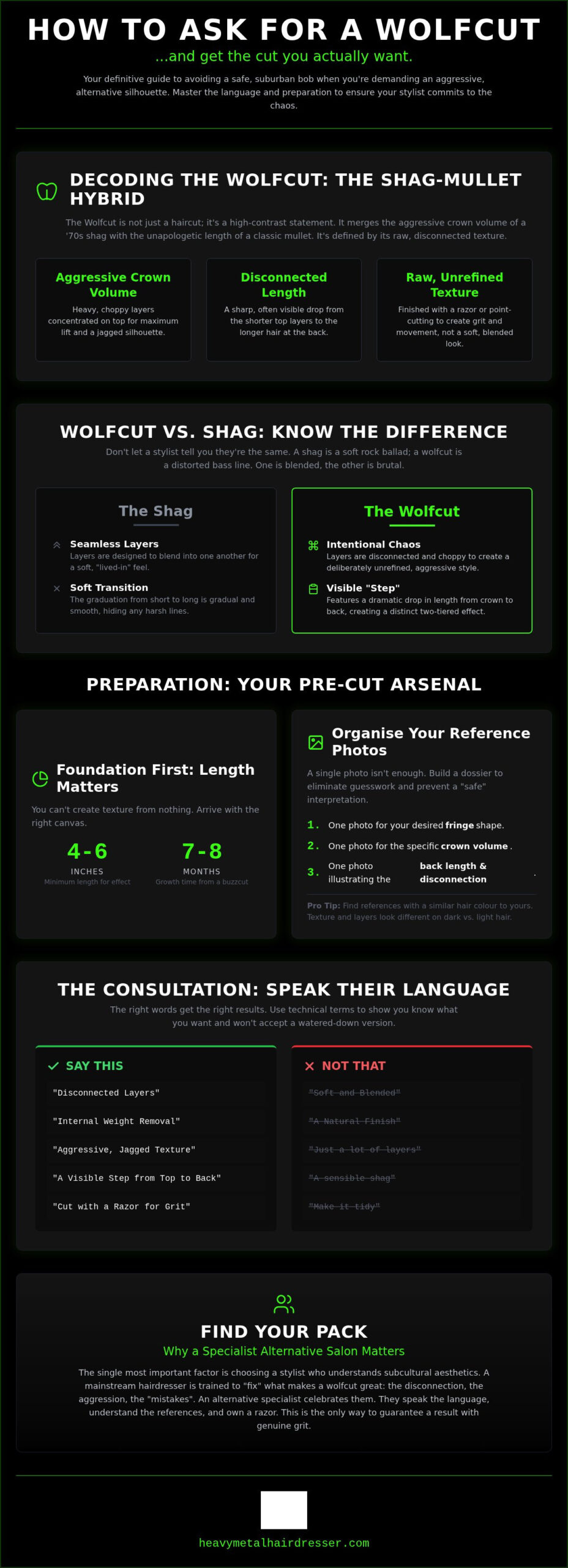
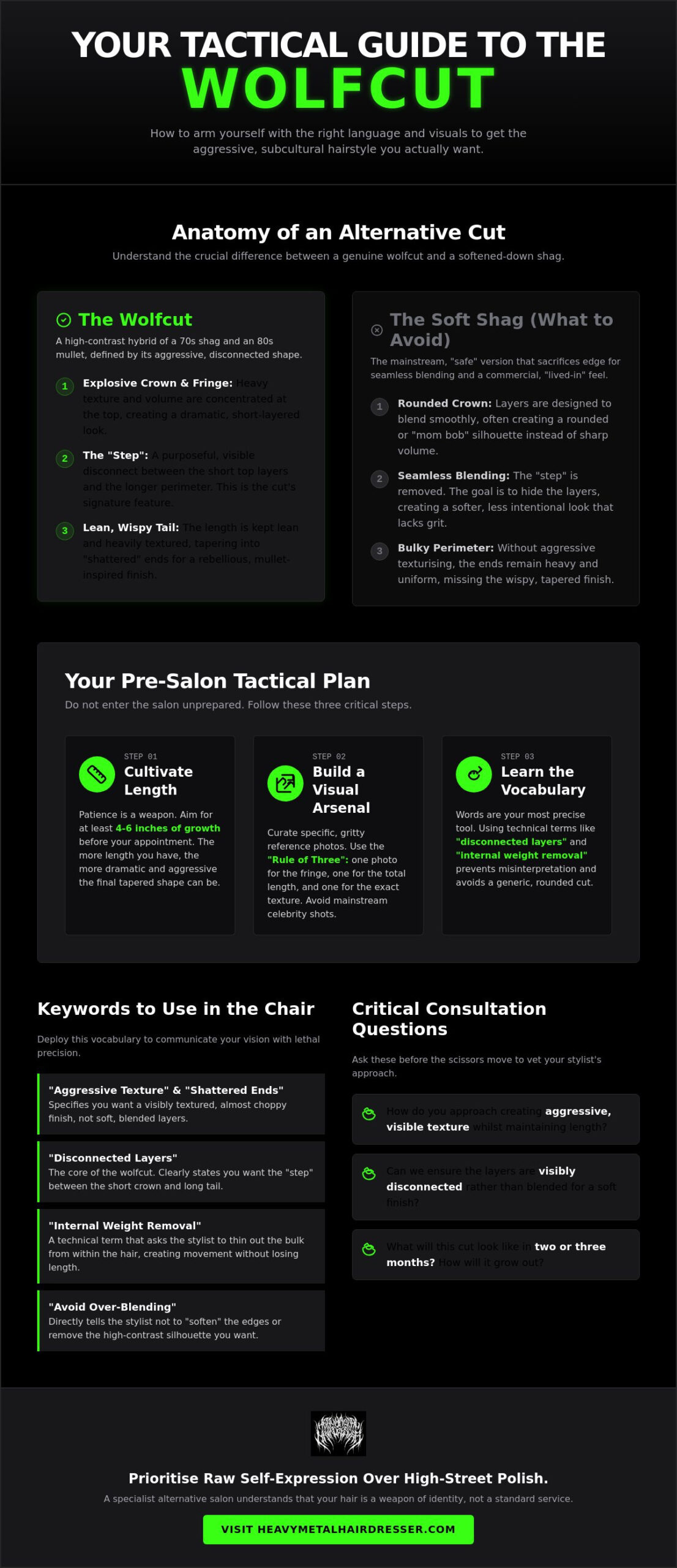
Why settle for a lukewarm, mainstream trim when you could walk out with a haircut that actually looks like it has teeth? You know the anxiety of sitting in that chair, clutching your phone, and wondering if your stylist is about to “soften” your edges into something unrecognisable. It’s a common fear amongst those of us in alternative subcultures. If you’re worried about your layers being too polite or your fringe looking too “Pinterest-perfect,” you need a tactical plan. Mastering how to ask your stylist for a wolfcut is about more than just showing a photo; it’s about speaking the language of grit.

This is your ultimate blueprint for securing a cut that matches your energy. We’re going to arm you with the technical vocabulary, the specific visual prep, and the confidence to ensure your hair is a weapon of self-expression rather than a standard service. You’ll learn the difference between a soft shag and a lethal wolfcut. We’ll cover how to demand aggressive texture whilst keeping the length you love, ensuring you walk out feeling like yourself, only sharper.

Key Takeaways

  • Identify the wolfcut as a high-contrast hybrid of the 70s shag and 80s mullet to nail that specific, aggressive silhouette.
  • Learn exactly how to ask your stylist for a wolfcut using technical terms like “internal weight” and “tension” to avoid a generic or rounded “mom” haircut.
  • Build a visual arsenal of gritty, alternative reference photos that communicate your subcultural identity better than any mainstream celebrity snap.
  • Secure your look by asking critical consultation questions about the three-month grow-out and the stylist’s approach to aggressive texture.
  • Understand why seeking out a specialist alternative salon is the ultimate move for those who prioritise raw self-expression over high-street polish.

What Is a Wolfcut? Defining the Aggressive Shape You Want

The wolfcut isn’t just a trend; it’s a high-contrast evolution of subcultural style. Think of it as a lethal hybrid that takes the heavy, textured crown of a Shag (haircut) and marries it to the rebellious, elongated tail of an 80s mullet. This isn’t a cut for those who want to blend in. It’s defined by extreme volume at the top of the head that tapers into wispy, almost shattered ends. Whilst mainstream salons might try to “soften” the look, a true wolfcut thrives on its aggressive, disconnected layers.

The beauty of this shape lies in its inclusivity. It’s a gender-neutral silhouette that works across every hair texture, from pin-straight to tight coils. On curly hair, it prevents the dreaded “triangle” shape by removing weight where it isn’t needed. On straight hair, it creates movement where none existed before. When you’re figuring out how to ask your stylist for a wolfcut, you must emphasise that you want a shape that looks intentional and sharp, not something that has been blended into submission.

The Difference Between a Soft Shag and a Wolfcut

Many people confuse these two, but the difference is in the grit. A soft shag is all about seamless blending and a “lived-in” feel. In contrast, a wolfcut embraces the “step” between lengths. The crown is explosive and short, whilst the perimeter remains lean and elongated. It’s this high-contrast gap that gives the cut its alternative edge. If your stylist starts talking about “soft layers,” they might be veering too far into mainstream territory. You want layers that are purposeful, shattered, and unashamedly bold.

Why Length Matters Before You Hit the Chair

Patience is a virtue, even in the underground scene. For the most dramatic results, aim for at least four to six inches of growth before booking in. Your starting length dictates the “tail” of your wolfcut. If you’re transitioning from a buzz cut, you’ll likely end up with a “cub cut” (a shorter, bob-length version) first. If you’re coming from a bob, your stylist will need to focus on internal weight removal to ensure the shape doesn’t look like a mushroom. Knowing how to ask your stylist for a wolfcut means understanding that the longer your hair is to start, the more “aggressive” that taper can be.

  • The Crown: Needs to be short enough to create height.
  • The Tail: Needs enough length to maintain that wispy, mullet-inspired finish.
  • The Connection: Or lack thereof; the “step” is what makes it a wolfcut.

Gathering Your Visual Arsenal: How to Choose Reference Photos

Your reference photos are your primary communication tool. They are the bridge between the vision in your head and the scissors in your stylist’s hand. If you walk into a salon and show a photo of a “normie” celebrity with a soft, blow-dried shag, don’t be surprised when you leave with a safe, suburban bob. To get a result that actually feels alternative, you must curate your inspiration with intent. This is the first tactical step in how to ask your stylist for a wolfcut that carries real subcultural weight.

Avoid generic red-carpet shots. Instead, look for specialists who live and breathe wolf hair cuts to see how they handle the disconnect between the crown and the perimeter. Use the “Rule of Three” to eliminate confusion. Bring one photo specifically for the fringe, one for the total length, and one that highlights the exact texture you want. This prevents your stylist from guessing and ensures the “lethal” edge you’re after remains intact.

Matching Photos to Your Natural Hair Texture

Physics doesn’t care about your aesthetic. If you have pin-straight hair, showing a photo of a curly wolfcut is a recipe for disappointment. You need to find “real-world” photos that reflect your natural behaviour. Look for images where the hair hasn’t been over-styled with a round brush for social media. If you’re working with less density, search for wolfcuts for thin hair to see how aggressive layering can actually create the illusion of massive volume amongst finer strands.

Identifying the ‘Vibe’ of Your Layers

Decide early if you want “shattered” ends or a heavier, more blunt perimeter. Shattered ends provide that wispy, ethereal look often seen in underground Japanese street style. A blunt perimeter feels more like a classic 80s mullet. Consider your lifestyle too. A “long wolfcut” offers more versatility for updos, whilst a “short wolfcut” demands a commitment to the shape. Look for photos of the hair “in the wild,” perhaps at a gig or a festival, to see how the layers move when they aren’t fresh from the chair. If you’re looking for a specialist who understands this grit, exploring the work at heavymetalhairdresser.com can help refine your visual goals.

  • Fringe: Is it a heavy curtain bang or a jagged micro-fringe?
  • Length: Where does the longest point sit on your shoulders?
  • Texture: Are the layers chunky and visible or finely sliced?

How to Ask Your Stylist for a Wolfcut: The Ultimate Alternative Consultation Guide

The Technical Vocabulary: Keywords to Say to Your Stylist

Vague language is the enemy of an alternative look. If you just ask for “layers,” you’re leaving your identity in the hands of someone who might think you want a safe, 90s-style blowout. Knowing how to ask your stylist for a wolfcut requires a specific, technical lexicon. You must move past beauty industry clichés and use descriptors that prioritise grit over polish. This prevents the dreaded “mushroom” effect or, worse, a generic “mom” haircut that drains your subcultural energy.

Focus on “internal weight” and “tension.” These aren’t just buzzwords; they describe how the hair actually sits on your head. Requesting “internal texturising” helps remove bulk from the mid-lengths whilst keeping your perimeter lean. This ensures the shape stays narrow and sharp rather than puffing out into a round, feminine silhouette. You want the hair to look like it has been sculpted with a razor, not just trimmed with scissors.

Terms for the Crown and Layers

For the top of your head, be direct. Ask for “short, aggressive crown layers.” You want height that defies gravity and creates a rebellious profile. Tell your stylist you want “choppy, shattered ends” rather than blunt ones. This creates a lived-in feel that doesn’t require hours of styling. By removing weight internally, your stylist can give you that “explosive” volume at the crown whilst keeping the rest of the hair wispy and tapered.

Defining the Face Frame and Fringe

Your face frame is the focal point of the entire cut. Decide if you want “curtain bangs” that sweep away or a heavy, straight-across “bottleneck” fringe that sits lower on the forehead. Specify where you want the shortest face-framing pieces to start; cheekbone height adds high-fashion drama, whilst jawline length offers a slightly softer transition. If you want to lean into a modern mullet hybrid, mention “tapered sideburns” to narrow the silhouette and heighten the contrast.

Finally, be clear about the “disconnect.” This is the structural gap where the short layers on top don’t perfectly blend into the longer pieces at the bottom. It is the defining feature of the look. When researching how to ask your stylist for a wolfcut, remember that most traditional training focuses on seamless blending. You are asking them to break those rules. Demand that “step” between the crown and the length to ensure your look remains unapologetically alternative and fierce.

The Consultation: Questions to Ask Before the Scissors Move

The consultation is the final gatekeeper. It is where you test if the person holding the shears actually respects your subcultural identity or if they are just chasing a TikTok trend. This is a fiercely inclusive space. Your gender, your hair texture, and your personal aesthetic should be celebrated, not “corrected” to fit a mainstream mould. Learning how to ask your stylist for a wolfcut is as much about the questions you ask as the photos you show.

Ask them directly: “How will this shape grow out over the next three months?” A professional who understands alternative shapes will explain how the disconnected layers will settle into a wearable shag over time. If they look confused, they might be planning a cut that only looks good for twenty minutes. You also need to clarify the styling commitment. Ask if the cut will hold its grit without a professional blow-dry. A true wolfcut should look better after a night at a gig than it does fresh from the chair.

Don’t let a stylist talk you out of the look because of “thin hair.” This is a common objection in mainstream salons. Address it head-on. Explain that you want internal weight removal to create volume at the crown. Aggressive layering is a tool for texture, not a threat to density. If you want a result that doesn’t compromise on your vision, book your wolfcut consultation with an expert who values your individuality.

Testing Their Alternative Expertise

Ask if they have experience with the techniques used by specialist shag hairdressers. You want to know if they understand low-maintenance, high-impact shapes. Are they comfortable with aggressive layering patterns? If they seem hesitant to go “too short” on the crown, they might not be the right fit for your vision. A specialist will embrace the “step” and the grit rather than trying to blend it into submission.

Managing Your Expectations for Daily Styling

Discuss the products needed to maintain that raw, gritty texture. Enquire about air-dry techniques that enhance your hair’s natural rebellion. This is also the perfect time to talk about how vivid hair colour can be used to highlight the shattered ends of your new cut. High-pigment tones can turn a great shape into a masterpiece of self-expression; making every layer pop with intent.

  • The Grow-out: Will it require a trim every six weeks or every three months?
  • The Product: Do I need salt spray, wax, or a heavy-duty grip?
  • The Texture: How will my natural waves react to these aggressive layers?

The Heavy Metal Hairdresser Approach: Grit, Identity, and Texture

High-street chains often prioritise “pretty” over “personality.” They want to give you a haircut that fits into a corporate office or a family reunion. Simon Tuckwell’s philosophy is the complete opposite. It’s about celebrating individuality through aggressive texture and raw self-expression. When you’re deciding how to ask your stylist for a wolfcut, the most critical factor is the environment you choose. A specialist alternative salon isn’t just a place for a trim; it’s a sanctuary where your subcultural identity is the blueprint. It’s a gender-inclusive safe space where being different is the standard, not the exception.

Mainstream stylists might try to “fix” the disconnect or soften the layers to make the cut more “wearable.” In our world, the disconnect is the point. We use professional-grade tools and years of underground expertise to ensure your hair looks like a weapon of intent. This approach honours the history of the shape whilst pushing it into a modern, gritty reality. Your hair should reflect who you are, whether you’re in the middle of a mosh pit or standing on a stage. It’s about grit, not just glamour.

Maintenance Tools for the Wolfcut

A lethal cut requires the right arsenal to maintain its edge at home. To keep those shattered layers looking sharp, you need Death Grip. It’s the ultimate clay for creating that piecey, aggressive texture that defines the wolfcut. For the crown, Hair To the Throne provides the maximum volume and lift needed to defy gravity. Maintaining the look is a lifestyle choice. That’s why wearing alternative hair merch is just as important as the products you use; it signals your allegiance to the scene.

Booking Your Transformation

Don’t trust your vision to someone who doesn’t understand the nuances of alternative music and fashion. You need a specialist who knows the difference between a bad mullet and a masterfully executed wolfcut. Prepare for your appointment by reflecting on the grit you want to project. When you’re ready to commit to a shape that actually feels like you, Book your wolfcut consultation with the masters of texture. We don’t do “normal.” We do you, only louder.

  • The Specialist: Seek out those who live and breathe alternative culture.
  • The Prep: Bring your visual arsenal and your technical vocabulary.
  • The Result: A haircut that matches your energy and your identity.

Take Command of Your Alternative Identity

Walking into a salon with a vision is only half the battle. Now that you’ve mastered how to ask your stylist for a wolfcut, you have the tactical edge needed to protect your aesthetic. By using technical terms like internal weight and demanding a purposeful disconnect, you ensure your hair remains a weapon of self-expression. Remember to stick to the Rule of Three with your reference photos and never settle for a “soft” version of a shape that deserves grit.

If you’re tired of mainstream stylists who don’t understand the pit or the stage, it’s time to visit a specialist. Simon Tuckwell founded Heavy Metal Hairdresser as a fiercely gender-inclusive safe space for those who live outside the norm. Our team has styled for iconic events like the Download and Bloodstock festivals, so we know exactly how to handle aggressive texture. Secure your wolfcut with the alternative experts at Heavy Metal Hairdresser and walk out with a look that actually reflects who you are. Your identity is too valuable to be left to chance; own your style and stay loud.

Frequently Asked Questions

Can I get a wolfcut if I have very fine or thin hair?

Yes, you absolutely can. It is a total myth that layering makes thin hair look sparse. When you are researching how to ask your stylist for a wolfcut with finer strands, focus on “internal weight removal.” This technique creates height at the crown and prevents your hair from looking flat or lifeless. The aggressive layers actually build a structural silhouette that gives the illusion of much thicker hair.

How long does my hair need to be for a wolfcut?

Aim for at least four to six inches of length for the best results. This starting point ensures there is enough hair to create that signature wispy “tail” whilst maintaining volume on top. If your hair is currently shorter, you might start with a “cub cut,” which is a bob-length version of the shape. As it grows, your stylist can transition the layers into a full-blown wolfcut silhouette.

What is the difference between a wolfcut and a mullet?

The wolfcut is a high-contrast hybrid that offers more volume on the sides than a traditional mullet. Whilst a mullet is defined by very short sides and a long back, the wolfcut keeps the shaggy, face-framing layers of a 70s shag. It feels more “filled in” around the face. It’s the perfect choice if you want the rebellion of a mullet without the extreme “business in the front” contrast.

Do I have to style my wolfcut every day?

No, this cut is designed to thrive on low-maintenance grit. It actually looks better the second or third day after washing when your natural oils add some lived-in texture. You don’t need a round brush or a blow-dryer to make it work. Just scrunch in some salt spray or a bit of Death Grip clay and let it air-dry for that raw, rock-inspired finish.

Will a wolfcut work with my natural curls or waves?

Curls and waves are actually the perfect foundation for this shape. Natural texture adds immediate volume and movement that straight hair often has to fight for. When you’re figuring out how to ask your stylist for a wolfcut on curly hair, ensure they plan to cut it dry. This prevents the “triangle” effect and ensures the layers sit exactly where they should once the hair bounces back.

How often do I need to get my wolfcut trimmed?

Expect to book a tidy-up every 8 to 12 weeks. The beauty of this alternative shape is that it grows out into a beautiful, shaggy mess that still looks intentional. You only need to head back to the chair when the crown layers lose their “explosive” lift or the fringe starts to obscure your vision. It is one of the most forgiving cuts for those who hate frequent salon visits.

Can I have a wolfcut with vivid hair colours?

Vivid colours and wolfcuts are a match made in subcultural heaven. High-pigment tones like cherry cola or icy platinum highlight the “shattered” ends and make every aggressive layer pop. Because the cut has so much movement, the light hits different sections of the colour constantly. It turns your hair into a shifting, high-contrast weapon of self-expression that looks incredible under stage lights.

Is the wolfcut a gender-neutral hairstyle?

The wolfcut is unapologetically gender-inclusive and belongs to everyone. It is a shape defined by subcultural identity and personal grit rather than traditional gender norms. Whether you want to lean into a more masculine, mullet-heavy vibe or a softer, feminine shag, the technical principles remain the same. It is about sculpting a look that fits your soul, regardless of where you sit on the spectrum.

Posted on

Textured Layers Haircut: The Ultimate Guide to Aggressive, Alternative Shapes

Textured Layers Haircut: The Ultimate Guide to Aggressive, Alternative Shapes

A haircut shouldn’t just sit there; it should scream. Most traditional salons play it safe, leaving you with a blocky, lifeless shape that feels more like a heavy helmet than a personal statement. You’re likely tired of hair that lacks movement and frustrated by stylists who don’t understand what “edgy” actually means. It’s time to stop settling for flat hair that has no soul.

Discover how a textured layers haircut transforms your look from a dull routine into a bold, aggressive weapon of self-expression. You’ll learn the vital difference between lazy thinning and intentional texturing, ensuring your hair never feels “choppy” for the wrong reasons. We’ll explore the 2026 shift toward natural, lived-in movement and the rise of “ghost layers” that provide volume without the weight. We’re giving you the technical knowledge to demand a shape that reflects your identity, whilst using 2026 essentials like fatboy Hair Charcoal Fiber Paste to keep that alternative edge sharp.

Key Takeaways

  • Understand how internal cutting techniques swap out traditional blocky finishes for a shattered, lived-in aesthetic.
  • Learn the mechanics of a textured layers haircut and how razor work removes bulk whilst preserving the essential soul of your length.
  • Discover how to adapt aggressive shapes for your specific hair type, ensuring the movement is tailored to your unique profile.
  • Master the art of styling for grit, using salt-infused products and air-drying techniques to maintain that “second-day” texture.
  • Explore why an inclusive, alternative-focused salon environment is crucial for organising your identity into a visual statement.

What is a Textured Layers Haircut? (Defining the Chaos)

A textured layers haircut is the ultimate antidote to the “blocky” hair plague. Most traditional salons offer layers that are too blended and far too polite. We do the opposite. We use internal cutting techniques to remove the heavy bulk that drags your spirit down. This process creates a shattered effect, where the hair looks like it has a history and a pulse. It is the architectural foundation for the best Wolfcuts and Shag Haircuts, providing the grit needed to escape the dreaded “helmet hair” look. You aren’t just getting a trim; you’re getting a structural overhaul that organises your identity into something visual and loud.

Internal weight removal is where the magic happens. Instead of just cutting the perimeter, we go deep inside the shape. We carve out sections to lighten the load without sacrificing the “soul” of the length. This is why your hair feels lighter and more responsive. It stops being a heavy curtain and starts being a dynamic part of your movement. If you’ve ever felt like your hair was “too thick” or “too flat”, texture is the answer you’ve been looking for. It’s about creating a “lived-in” vibe that looks just as good at a 2 a.m. gig as it does when you first leave the chair.

Texture vs. Traditional Layers: The Breakdown

Whilst traditional Layered hair is often about creating a smooth, predictable gradient, texture is a different beast. It focuses on the internal weight and the “shattered” quality of the ends. By removing weight from the inside out, we create pockets of air. These pockets allow your hair to move independently rather than as one solid mass. It gives you natural volume that doesn’t require a blow-dryer to exist. In our world, “choppy” is the highest form of praise. It means your hair has character and isn’t afraid to show it.

Why Alternative Subcultures Own This Look

This aesthetic didn’t start in a boardroom; it started in the pits. From the jagged silhouettes of 70s rock icons to the grit of the modern underground, aggressive movement has always been a middle finger to the status quo. Textured layers allow for that effortless, “just rolled out of bed” aesthetic that alternative identities have championed for decades. We’ve seen a massive shift in 2026 toward natural, lived-in texture that rejects the over-styled looks of previous years. This style thrives on imperfection. It looks better when it’s messy, making it the perfect choice for anyone who lives amongst the chaos of the scene rather than the safety of the suburbs.

The Anatomy of Aggressive Texture: How We Build the Shape

Building a textured layers haircut is less like a standard trim and more like carving a sculpture from a block of stone. It’s about what we take away to let the true character of your hair breathe. Traditional layering often fails because it only addresses the surface, leaving a heavy, uncooperative mass underneath. We go deeper. By focusing on the internal architecture, we remove the “dead weight” that causes hair to collapse. This ensures your style maintains its “soul” and length whilst gaining the aggressive movement required for a truly alternative silhouette.

The goal is to create a shape that looks intentional but feels effortless. We look for the “heavy spots” that kill flow, usually around the occipital bone or the crown, and carve them out. This internal weight removal is the secret to volume that doesn’t require a mountain of hairspray to stay upright. When the bulk is gone, your hair finally has the freedom to move. It stops being a static accessory and becomes a dynamic part of your identity.

The Tools of the Trade

The razor is our primary weapon for creating that feathered, punk-inspired edge. Unlike shears, which create a clean, blunt cut, a razor allows us to taper the hair to a fine point. This results in soft yet aggressive edges that blend seamlessly into a shattered finish. However, technique is everything. When working with different hair textures, we must decide between the razor and point cutting with shears. Point cutting involves snipping into the ends at an angle to create a jagged, irregular line. This is essential for maintaining hair health on specific types whilst still achieving that rebellious grit.

  • Razor Cutting: Best for maximum “shattered” effect and soft, lived-in ends.
  • Point Cutting: Ideal for creating structural “teeth” in the hair for a sturdier, jagged look.
  • Carving: A method of removing internal bulk from thick hair to make it manageable without losing the overall shape.

Weight Removal and Movement

Identifying where your hair is “blocky” is the first step toward survival. We look for areas where the hair stacks up and creates a shelf-like appearance. By using internal layering, we create hidden support systems that push the hair up and out. This creates the “just rolled out of bed” aesthetic that defines the modern alternative scene. Your hair feels lighter, more “alive”, and significantly easier to style because the cut is doing 90% of the work. If you are ready to learn these technical “dark arts” for yourself, our Hair Courses dive deep into the mechanics of these alternative shapes.

A successful textured layers haircut results in ends that look “shattered” rather than blunt. This rebellious silhouette thrives amongst the chaos of daily life. Whether you are at a show or just navigating the street, your hair should look like it has its own story to tell. By maintaining the integrity of the length whilst gutting the internal weight, we give you a weapon of self-expression that never feels flat or boring.

Textured Layers Haircut: The Ultimate Guide to Aggressive, Alternative Shapes

Choosing Your Weapon: Textured Layers for Every Length

Texture is a universal language, but the dialect changes based on how much hair you’re rocking. A textured layers haircut on a long mane is a different beast compared to a cropped style. It’s all about proportion and intent. Thick hair requires aggressive internal carving to stop it from becoming a heavy, unmanageable weight. Fine hair, on the other hand, needs short, jagged layers to create the illusion of density and height. We don’t do “one size fits all” here. We adapt the movement to fit your specific hair type and your personal aesthetic.

The 2026 trend for “ghost layers” has become a game-changer for those with flatter hair. These are subtle, internal layers that provide volume without making the hair look thin. It’s the secret to getting that “lived-in” movement whilst keeping the overall silhouette looking thick and healthy. Whether you’re working with waist-length strands or a chin-length bob, the goal is always the same: movement that feels earned, not forced.

The Long Wolfcut and Modern Shag

These are the heavy hitters of the alternative world. The Shag Haircut is built on crown-heavy volume and a 70s rockstar spirit. It’s perfect for those who want face-framing “bits” that look intentional even amongst the chaos of a festival. The Wolfcut takes that energy and pushes it further, using more extreme, disconnected layers for a jagged finish. Whilst the mainstream has tried to sanitise this look with the “butterfly cut”, we keep it raw. We focus on the aggressive internal texture that makes these shapes stand out in a crowd of polished, corporate styles.

Short and Mid-Length Aggression

Short hair shouldn’t be a safe bet. To avoid the trap of a traditional, boring pixie, you need grit. This is where the “Mullet-Lite” thrives. It uses a textured layers haircut to bridge the gap between a wearable mid-length and a full-blown subcultural statement. It gives you the “shattered” look of a mullet without the commitment of a full tail. For mid-length bobs, we inject chaos by texturing the ends until they look like they’ve been cut with a pocket knife. This creates a rocker vibe that works perfectly with your natural texture, especially if you’re using something like Matrix Food For Soft XXL Big’N Soft Mousse to give those jagged layers some extra life.

  • Fine Hair: Use short, jagged internal layers to prevent the shape from collapsing.
  • Thick Hair: Focus on deep carving to remove bulk whilst maintaining the “soul” of the length.
  • Curly Hair: Shaggy cuts with layers are the 2026 standard for embracing natural curls with an edge.

Styling and Survival: Keeping the Grit Alive Amongst the Chaos

If your hair looks like you just stepped out of a corporate headshot, you’ve missed the point entirely. A textured layers haircut isn’t designed to be polite. It’s built to be lived in. It thrives on second-day grit and the kind of beautiful chaos that comes from actually doing something with your life. We often talk about the “mosh pit test”. This is the idea that your hair should look better, more expressive, and more “shattered” after a night of movement. Forget the sleek, high-shine finishes pushed by mainstream brands. We are aiming for a raw, authentic texture that feels like a weapon of self-expression rather than a static accessory.

The secret to maintaining this edge is embracing the imperfection. When the internal weight is gone, your hair gains a life of its own. It stops being a heavy curtain and starts reacting to the environment. This means your styling routine should be about enhancing what’s already there, not forcing it into a shape it doesn’t want to take. You don’t need a 45-minute blow-dry. You need the right tools and the confidence to let the hair do its own thing. For a deeper dive into how these shapes perform under real festival conditions, our backstage case study on stage hair for musicians at Download and Bloodstock covers everything from rain and sweat to surviving the pit from Friday to Sunday.

The Product Arsenal

Your kit needs to reflect the grit of the scene. Salt-infused sprays are essential for providing that “crunch-free” volume that makes layers pop. In 2026, we’ve seen the launch of heavy hitters like fatboy Hair Charcoal Fiber Paste and Aveda Tousle Texture Spray, which are perfect for defining individual shattered sections. These products provide the hold you need without the greasy weight of traditional pomades. Avoid heavy silicones at all costs. They coat the hair, add unnecessary weight, and eventually cause your layers to collapse into a boring, flat mess. You want products that enhance the internal movement we’ve carved into your shape whilst keeping the fibre of the hair feeling raw and real.

Drying for Drama

The way you dry your hair dictates the final vibe. For the maximum shattered effect, air-drying is often your best friend. Use the “scrunch-dry” method: apply your product to damp hair and squeeze the sections upward to encourage natural wave and separation. If you need more volume, a diffuser is the only way to go. Use it on low heat to “blast” volume into the roots without creating a cloud of frizz. It keeps the jagged edges sharp whilst giving the crown the height it deserves. Perfect styling is the enemy of a great textured layers haircut. If a piece falls “wrong”, leave it. That’s the soul of the cut coming through. To complete the look and truly own your alternative aesthetic, grab some of our Branded Merchandise to match your new silhouette.

  • Salt Sprays: For grit and “lived-in” volume.
  • Texture Pastes: For defining the jagged ends of your layers.
  • Diffusers: For blasting volume into the roots without losing the shattered shape.
  • Wide-Tooth Combs: For detangling whilst preserving the natural separation of the layers.

Why the Heavy Metal Hairdresser Approach Hits Different

We don’t believe in just cutting hair. We believe in organising your identity into a visual statement that hits hard. A textured layers haircut is the foundation, but the execution requires a specific kind of soul. Most salons fear the “aggressive” label. We embrace it. Our expertise wasn’t born in a sterile classroom. It was forged in the mud of festival backstages and the high-energy pulse of the metal scene. We understand that your hair is your armour. It’s a signal to the rest of the world that you belong to something different.

This isn’t about following a trend. It’s about professional grit. We take the energy of the pit and bring it to the salon chair. We’ve spent years mastering the technical dark arts of weight removal and shattered edges so you can live your life amongst the chaos without your hair ever looking flat. For those who want to master these techniques themselves, our Alternative Hair Courses UK provide a direct line to subculture styling expertise. We are training the next generation to reject the boring and embrace the bold.

Beyond the Binary: Inclusive Texture

Gender doesn’t dictate shape. Identity does. Textured layers are the ultimate gender-neutral haircut because they focus on movement and silhouette rather than tired social norms. We provide a safe space where your alternative aesthetic is the standard, not the exception. Whether you’re looking for a Wolfcut or a heavy Shag, we start with a consultation that hears your vibe first. We don’t care about “flattering” you in a way that fits a corporate mould. We care about celebrating your individuality through shapes that refuse to be categorised.

The Alternative Standard

We speak your language. When you ask for something “jagged” or “aggressive”, we don’t reach for a thinning shear to “soften” it. We reach for the razor to sharpen it. We’ve seen every type of alternative hair from Download festival to the underground clubs across the country. This experience means we know how to make your hair survive the real world. You aren’t just a client; you’re part of a community of outsiders who refuse to settle for boring hair. If you’ve been searching for an unconventional hair salon UK that truly celebrates your identity rather than taming it, you’ve found your people. We don’t do traditional bridal styling or children’s cuts. We do authentic, rebellious hair for people who have something to say.

  • Identity First: Your haircut should be a reflection of your subcultural roots.
  • Expertise: Techniques honed in the heart of the UK metal and rock scenes.
  • Inclusivity: A gender-neutral environment where everyone is welcome.
  • Education: Master the craft through our specialised hair courses.

Claim Your Alternative Silhouette

You now have the technical knowledge to swap flat, lifeless hair for a shape that actually says something. A textured layers haircut is the foundation of a rebellious identity, moving beyond traditional “pretty” layers into a shattered, aggressive aesthetic that thrives on movement. You’ve learned that the secret lies in internal weight removal and styling for grit rather than perfection. It’s time to stop explaining your “edgy” requests to stylists who don’t get it.

We speak the language of the underground because we live it. With years of experience as a backstage stylist for Download and Bloodstock festivals, I specialise in wolfcuts and creative texture that survives the most chaotic environments. This is a gender-inclusive safe space where your alternative vibe is celebrated and your identity is organised into a visual weapon. Don’t settle for a corporate trim when you can have a shape with soul. Book your transformation at Heavy Metal Hairdresser today. Your hair should be as loud as your music.

Frequently Asked Questions

What is the difference between layers and textured layers?

Traditional layers focus on creating a smooth gradient of length. A textured layers haircut is about the space between those lengths. We remove internal bulk to create pockets of air within the shape. This results in a shattered, lived-in finish rather than a polished gradient. It is the difference between a safe corporate trim and a rockstar silhouette.

Will a textured layers haircut work on fine, thin hair?

Yes, it is a game-changer for flatter hair types. We use short internal layers to push the hair up and create height. Techniques like “ghost layers” add movement without making the ends look thin or wispy. It gives you the illusion of density and volume that blunt cuts often fail to provide for fine hair.

How often do I need to trim a textured layered cut to keep it sharp?

Aim for a refresh every 8 to 12 weeks. Whilst these alternative shapes grow out with more character than traditional styles, the internal texture can start to feel heavy after three months. A quick maintenance session ensures the movement remains aggressive and the weight doesn’t collapse the crown or kill the flow of the ends.

Can I get textured layers if my hair is naturally curly?

Curls thrive on this technique. Adding layers prevents the dreaded “triangle” shape and allows your natural pattern to pop. The 2026 trend for shaggy curls proves that embracing natural movement with an edgy silhouette is the standard for the modern underground scene. It allows your curls to sit amongst the chaos with intent.

Do I need to style my hair every day with this haircut?

Not at all. These cuts are designed to look better with minimal effort. The cut does 90% of the work for you. A quick blast with a diffuser or some salt spray on damp hair is usually plenty to keep the grit alive. It is a style built for a “just rolled out of bed” aesthetic that holds up.

Is a razor cut better than scissors for texture?

The razor is the ultimate tool for a soft, feathered finish that feels punk-inspired. Scissors used for point cutting create a more jagged, structural finish with “teeth”. We choose the tool based on your specific hair fibre and the level of aggression you are after. Both have their place in creating a textured layers haircut.

What should I ask my hairdresser for if I want this look?

Bring photos of wolfcuts or shags to show the vibe. Ask for “internal weight removal” and “shattered ends” rather than just “layers”. Make sure to explain your subcultural identity. A specialist stylist should understand how you want to express your personality, ensuring the shape isn’t sanitised into something boring or mainstream.

Are textured layers high maintenance for alternative styles?

They are actually lower maintenance for your daily routine than most traditional cuts. Because the shape is built on movement and imperfection, you don’t need to fight your hair every morning. You are trading high-effort styling for a high-impact shape that looks intentional even when it is messy or wind-swept.