Posted on

Low Maintenance Wolfcut: The Ultimate Guide to Effortless Alternative Texture

Low Maintenance Wolfcut: The Ultimate Guide to Effortless Alternative Texture

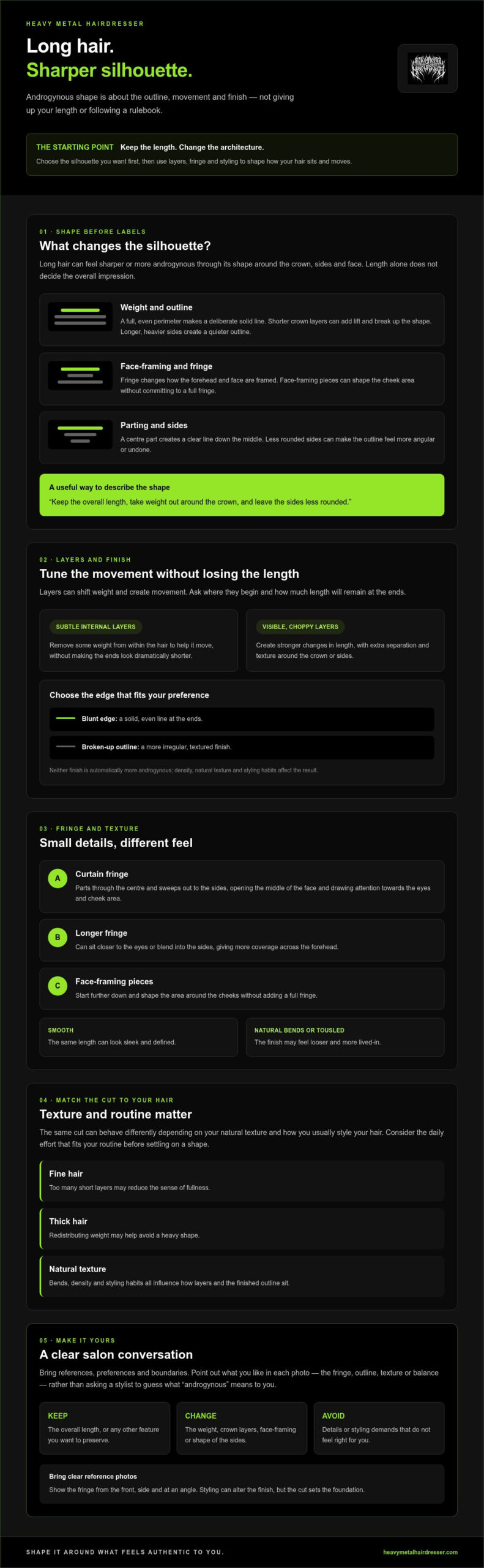
A truly low maintenance wolfcut isn’t about doing less; it’s about a haircut that works harder so you don’t have to. We’ve all seen the “mullet-lite” disaster that collapses the second you leave the chair. You’re likely tired of chasing high-maintenance trends that demand a blow-dryer and a prayer every single morning. It’s frustrating when your hair only looks “alternative” for the first hour of the day. You want a style that respects your identity without forcing you back into a gendered, over-polished beauty routine.

This guide cuts through the noise to show you how technical grit creates a look that thrives on air-drying and grows out without losing its edge. With over 2.24 million monthly searches in early 2026, the wolfcut has become a defining phenomenon for those of us living outside the mainstream. We’ll explore how to prioritise internal structure over superficial styling. You’ll learn exactly how to achieve that lethal, unstyled texture that maintains its shape whilst you’re out living your life. We are ditching the fluff and focusing on the raw, effortless reality of the modern shag.

Key Takeaways

  • Learn why a truly low maintenance wolfcut relies on internal technical carving rather than hours spent with a blow-dryer.
  • Discover the “Mosh Pit Method” for achieving raw, gritty texture whilst prioritising air-drying over heat styling.
  • Understand why razor cutting is the essential technique for removing bulk and creating the effortless, lived-in movement you crave.
  • Debunk common myths regarding hair density and fringes to ensure your cut is tailored specifically to your hair type and alternative identity.
  • Find out how a gender-inclusive salon environment can transform your hair journey into a celebration of your non-conformist aesthetic.

What is a Low Maintenance Wolfcut? Defining the Alternative Dream

The wolfcut isn’t just a fleeting social media aesthetic; it’s a technical powerhouse. This style is a deliberate, aggressive hybrid of the 1970s Shag (haircut) and the rebellious 1980s mullet. Reimagined for 2026, it has evolved from a polished “Instagrammable” look into something far more gritty and utilitarian. A true low maintenance wolfcut prioritises the architecture of the hair over the products you put in it. We aren’t interested in the “TikTok trend” versions that collapse without thirty minutes of heat styling. We want a cut that looks lethal the moment you roll out of bed. It’s about wash-and-go texture that feels authentic to your subcultural roots. This is hair designed for the mosh pit, not just the front-facing camera.

The difference between a salon-standard wolfcut and a technically sound, alternative version lies in the grit. Traditional stylists often try to “pretty up” the layers, leading to a style that requires constant maintenance to keep its shape. Our approach focuses on technical grit. We use the hair’s natural behaviour to our advantage. If your hair wants to flick, we let it. If it wants to swell, we carve out the space for it to do so without looking messy. This isn’t about being lazy; it’s about being smart with the hair’s natural geometry.

The Anatomy of a Low-Maintenance Cut

Achieving zero effort starts with how the hair is carved. A technically sound wolfcut uses specific structural elements to ensure it doesn’t fall flat the second you leave the studio. It’s about building a foundation that supports itself.

  • Aggressive Crown Layers: Short, choppy layers at the top create natural volume. This eliminates the need for backcombing or heavy volumising sprays that just end up feeling greasy.
  • Internal Weight Removal: We remove bulk from the inside out using specialised techniques. This ensures your hair moves whilst you walk, preventing that heavy, “helmet” look that plagues poorly executed mullets.
  • Self-Styling Face Frames: These layers are cut to “flick” naturally against your bone structure. You won’t need a round brush or a flat iron to get that signature alternative silhouette.

Why Alternative Souls Favour the Wolfcut

This cut thrives on imperfection. It celebrates the raw, the undone, and the authentic. For the alternative community, the wolfcut is a badge of independence. It breaks away from traditional, gendered beauty binaries, offering a style that is inherently inclusive. It’s a safe space for your identity to breathe. Whether you’re pairing it with vivid hair colour or a wardrobe full of vintage subcultural staples, this cut adapts to you. It isn’t about fitting a mould; it’s about shattering it entirely. The low maintenance wolfcut is the ultimate choice for those who value their time and their truth equally. It’s a gritty, high-energy aesthetic that says you’ve got better things to do than stand in front of a mirror.

The Technical Grit: Why Your Stylist Holds the Key to Zero Effort

Zero effort is a technical illusion. When hair feels like a flat, lifeless helmet, it isn’t a failure of your hair type; it’s a failure of architecture. A low maintenance wolfcut succeeds because of how it is carved, not how it is styled. We focus on removing bulk exactly where it isn’t needed, allowing the hair to collapse and expand in a way that looks intentional. This is the difference between a haircut that looks good for a week and one that stays lethal for 3-4 months. It’s about building a shape that respects your natural growth cycle rather than fighting against it.

The weapon of choice matters. Whilst traditional salons rely on thinning scissors that often create frizz and “mullet-lite” disasters, we favour razor cutting. Razors create shattered ends and a tapered, lived-in feel that scissors simply cannot replicate. We also build in disconnection. By intentionally breaking the flow between the crown and the length, we prevent your hair from looking like a boring, traditional bob. If you want a look that truly reflects your subcultural edge, you should consult with a specialist who understands technical grit. This approach ensures your hair looks aggressive and purposeful without needing a single minute of heat styling.

Internal Weight Removal vs. Surface Layers

If a stylist only cuts surface layers, you end up with the dreaded “poodle” look. This is where you have massive volume on top that doesn’t blend into the bottom, creating a dated and high-maintenance silhouette. Internal weight removal is the secret. We use point cutting to create jagged finishes that allow the hair to breathe from the inside out. This internal carving ensures the hair sits flat where it should and swells where you want it, embracing chaos without the bulk.

Asking Your Stylist for the Right Shape

Communication is everything when you’re sitting in the chair. Don’t just ask for “layers”; that’s too vague. Use specific terms like “shattered ends,” “internal texture,” and “aggressive crown layers.” We always recommend asking for a dry cut. Cutting hair whilst it’s dry allows the stylist to see how your natural texture behaves in real-time. It’s also helpful to bring references from the Ultimate Wolf Hair Cut Guide to ensure you and your stylist are on the same wavelength. This clarity prevents the “mullet-lite” fear and guarantees a result that aligns with your alternative identity.

Low Maintenance Wolfcut: The Ultimate Guide to Effortless Alternative Texture

Styling for the Unstyled: Embracing Chaos with Zero Effort

If you’re reaching for a blow-dryer, you’ve already lost the battle. The Mosh Pit Method is the only way to style a low maintenance wolfcut without stripping away its rebellious soul. Whilst mainstream guides push a five-step blow-dry routine involving round brushes and heat protectants, we know that heat is often the enemy of authentic grit. This cut is designed to thrive on air-drying. The goal is a look that feels lived-in from the moment you wake up. By the time you reach day two or three, the bedhead effect actually enhances the jagged silhouette we carved into the hair. It’s about embracing the chaos of your identity rather than trying to polish it into submission.

The “scrunch and forget” technique is your best friend here. If you have natural waves or curls, the internal weight removal we discussed earlier allows your hair to spring up without the bulk. You don’t need to spend twenty minutes in front of a mirror. Just apply your product, give it a rough scrunch, and get on with your day. A truly lethal wolfcut looks better after a few hours of real-world wear. It’s hair that moves whilst you walk and settles into a shape that is uniquely yours. We prioritise technical structure so that your morning routine becomes entirely optional.

Air-Drying for Maximum Texture

Achieving that raw, “crunchy” texture starts the moment you step out of the shower. Ditch the heavy bath towels that cause frizz. Instead, use a microfibre cloth to gently squeeze out moisture whilst keeping the natural wave pattern intact. To define those shattered ends, apply a tiny amount of texture paste or sea salt spray. Avoid heavy silicones at all costs. They weigh down the aggressive crown layers and turn your alternative dream into a flat, greasy mess. You want products that add grit, not weight. If you’re struggling with persistent frizz that disrupts your unstyled silhouette, White Ivy Hair Studio explains how treatments like nanoplasty can help manage texture from within.

The “Death Grip” Approach to Styling

When you need your look to stay aggressive through a long night, lean into high-hold, matte products. Clays and salt sprays are perfect for creating a “lived-in” feel that doesn’t look shiny or over-styled. The only part of the cut that might require thirty seconds of attention is the fringe. A quick blast of dry shampoo or a tiny bit of clay can keep it from looking flat against your forehead. For those looking to maintain this vibe at home, check out alternative hair merch UK for the right tools to keep your texture looking sharp. This approach ensures your identity remains the centre of attention without a high-maintenance price tag.

Wolfcut Maintenance Myths: Debunking the High-Effort Narrative

Mainstream beauty blogs are notorious for spreading misinformation about alternative hair. If you’ve spent any time on Reddit, you’ve probably heard people moan that a wolfcut is a high-maintenance trap. They’re wrong. A low maintenance wolfcut is actually one of the most resilient, long-lasting styles you can commit to. The problem isn’t the cut; it’s usually the lack of technical grit in the execution. Let’s tear down the myths that keep people trapped in boring, traditional styles.

One of the loudest lies is that you need thick hair to make this work. Fine hair actually thrives with this silhouette. By carving in shorter crown layers, we create the illusion of density and natural volume that thin hair usually lacks. It’s about adding much-needed chaos to strands that otherwise sit flat and lifeless. Another common myth is that it requires a fringe. Whilst a jagged fringe is a staple, it isn’t a requirement. Curtain bangs or even a completely fringe-less look can be just as aggressive if the internal texture is right. Your identity shouldn’t be limited by a fringe you don’t want to style. Heat is also often the enemy of subcultural grit, making the texture look too polished and taking the focus away from the centre of the aesthetic. Air-drying isn’t just easier; it’s better for the look.

Adapting the Wolfcut for Fine Hair

Fine hair doesn’t need to fear the razor. Shorter crown layers create a foundation for lift that lasts all day. We make sure to avoid over-thinning the ends, which keeps the silhouette feeling solid rather than wispy. To maintain the volume without the weight, swap out heavy waxes for lightweight hair dusts. This keeps the texture aggressive without the grease. A low maintenance wolfcut on fine hair is all about strategic carving to ensure the hair doesn’t collapse under its own weight.

The Longevity of the Shape

This is the ultimate choice for anyone who hates the salon chair. A well-engineered wolfcut stays lethal for months. As the hair grows, it naturally evolves into a beautiful shag haircut. The mullet-inspired roots mean the back can gain significant length whilst the face-framing layers continue to do the heavy lifting. You only need to book a refresh when the crown layers start to lose their height. If you want a style that respects your time and your identity, you should book your next wolfcut with an expert who understands alternative texture.

The Heavy Metal Hairdresser Way: Custom Texture for Your Identity

Simon Tuckwell and the team don’t care about “perfect” hair. We care about your identity. Traditional salons are often obsessed with symmetry and clinical polish, but that’s not our world. We bring expertise born in the pit, from years spent backstage at Download Festival straight to the salon floor. We understand that a low maintenance wolfcut isn’t just a style choice; it’s a statement of who you are. We prioritise technical grit because we want you to leave the chair feeling like the most authentic version of yourself. This is where subcultural passion meets high-level craft. We don’t follow the rules of the beauty industry; we write our own. Your hair should be an extension of your soul, not a carbon copy of a magazine cover.

Our approach is about building a foundation that lasts. We’ve spent years mastering the art of the low maintenance wolfcut to ensure it survives the reality of your life. Whether you’re at a gig, at work, or just rolled out of bed, your hair should look intentional. We focus on the architecture of the cut so that the “unstyled” look remains aggressive and sharp. We are here for the outliers, the rebels, and everyone who feels out of place in a traditional salon setting. This is hair with an attitude. For those who carry this uncompromising spirit over to their cars, Naked Frog Vehicle Tuning provides specialist engine remapping to ensure your vehicle is as finely tuned as your subcultural aesthetic.

Inclusive Styling for Alternative Souls

We’ve built a gender-inclusive safe space where being different is the standard. Traditional hair environments can be suffocating, especially for the queer and alternative community. We’ve ditched the gendered price lists and the clinical vibes in favour of a raw, welcoming atmosphere. Here, your alternative aesthetic is the centre of attention. We want to empower you to feel confident in your own gritty, unstyled skin. Our clients love us because we don’t try to “fix” their hair; we enhance their rebellion. It’s about creating a look that thrives in the real world, amongst the noise and the chaos. We aren’t just cutting hair; we’re affirming your right to exist exactly as you are.

Take the Craft Further

If you’re as obsessed with the architecture of alternative hair as we are, you can learn the secrets behind our methods. We don’t gatekeep our techniques. You can check out our alternative hair courses UK to master the art of subculture styling yourself. Whether you’re a stylist looking to level up or just part of the community, we’ve got the gear and the knowledge to keep your texture sharp. We believe in sharing the craft to ensure alternative culture stays alive and aggressive. It’s time to stop settling for “good enough” and start demanding hair that actually fits your soul. Book your session for a custom wolfcut today and join a community that celebrates the outliers. Your hair is your armour. Let’s make it lethal.

Claim Your Alternative Identity

Your hair is the most visible part of your identity. Don’t settle for a look that requires you to fight your natural texture every single morning. We’ve shown that a low maintenance wolfcut succeeds through technical carving and internal weight removal. It isn’t about a cupboard full of expensive products or hours spent in front of a mirror. By ditching the blow-dryer and embracing the “Mosh Pit Method,” you reclaim your time. You maintain an aggressive, shattered silhouette that grows out beautifully over several months.

We bring expertise born in the pits of Download and Bloodstock to every session. As social media acclaimed alternative specialists, we’ve built a gender-inclusive safe space where your non-conformist spirit is the centre of attention. It’s time to step away from traditional salon expectations. Embrace a look that is as fiercely independent as you are. You deserve a style that looks lethal without the daily grind.

Book your low-maintenance wolfcut transformation at Heavy Metal Hairdresser. We’re ready to help you shatter the mould and find your grit.

Frequently Asked Questions

Is a wolfcut actually low maintenance for everyone?

A wolfcut is low maintenance for almost everyone if the technical carving is correct. It relies on your hair’s natural behaviour rather than daily heat styling or blow-drying. If your stylist prioritises technical grit and removes internal weight properly, the cut does the heavy lifting. Even those with stubborn, pin-straight hair find it easier to manage because the layers create built-in movement that doesn’t require constant attention.

Can I have a wolfcut without a fringe?

You can absolutely have a wolfcut without a fringe. Whilst the classic silhouette often features a jagged, heavy fringe, curtain bangs or even a completely open face-frame can look just as aggressive. The key is maintaining those short, voluminous layers at the crown to keep the signature profile. It’s about your specific identity and what makes you feel confident, not a set of rigid salon rules.

What does a wolfcut look like when it is unstyled and air-dried?

An unstyled, air-dried low maintenance wolfcut looks raw, gritty, and intentionally undone. You’ll see a shattered, lived-in texture that moves whilst you walk rather than a polished, “perfect” finish. It embraces your natural waves and “imperfections,” creating a look that actually gets better as the day goes on. This is the essence of the “Mosh Pit Method” we discussed, where the hair thrives on chaos and air-drying.

How often should I get my wolfcut trimmed to keep the shape?

You should aim for a trim every 12 to 16 weeks to maintain the internal structure. Because this style is rooted in the mullet and the shag, it evolves into a lethal, longer version of itself as it grows out. You won’t need a full overhaul every time you visit the studio. A quick refresh of the crown layers and internal texture is usually enough to keep the grit alive.

Is the wolfcut suitable for fine or thin hair textures?

The wolfcut is perfect for fine or thin hair because it builds natural volume where you need it most. The short layers at the top create the illusion of density and lift without needing heavy, greasy products. By carving out the weight from the inside out, we prevent thin hair from looking flat or lifeless. It’s a game-changer for anyone tired of their hair looking limp.

How do I ask my hairdresser for a low maintenance wolfcut?

Ask your stylist for “internal weight removal” and “shattered ends” using a razor rather than thinning scissors. Tell them you want a low maintenance wolfcut that prioritises air-drying and natural texture over heat styling. It’s helpful to request a dry cut so you can see how your hair sits in real-time. Specifically asking for “aggressive crown layers” ensures the volume stays where it belongs without any extra effort.

Does a wolfcut look good on older alternative people?

Alternative style has no age limit, and the wolfcut looks incredible on older subcultural souls. It’s a timeless hybrid that adds a bold, energetic edge to your aesthetic whilst the face-framing layers provide a softer finish. This cut is about attitude and identity, not a number on a birth certificate. It’s the perfect way to maintain your rebellious spirit without the high-maintenance salon routine.

What are the best products for a wash-and-go wolfcut?

The best products for a wash-and-go look are matte salt sprays and lightweight hair dusts. Stick to high-hold products that add grit without the weight, and avoid heavy silicones that cause the layers to collapse. You want your hair to feel raw and textured, not over-polished. A tiny bit of matte clay can also help define the shattered ends whilst keeping the overall vibe effortless and unstyled.

Posted on

Modern Mullet Haircut: The 2026 Guide to Alternative Texture and Grit

Modern Mullet Haircut: The 2026 Guide to Alternative Texture and Grit

The modern mullet haircut isn’t a nostalgic throwback to a dead era; it’s a high-contrast weapon of subcultural identity designed to dismantle the binary. You’re likely tired of mainstream barbers who think alternative styling just means a slightly messy fade or, worse, a dated caricature that looks like an 80s costume party. It’s frustrating when your hair feels flat and fine whilst you’re craving a shape that carries real weight and grit. We’re here to help you reclaim that edge.

In this guide, you’ll discover how the modern mullet has evolved into a high-texture, gender-neutral powerhouse that prioritises self-expression over social norms. We’re going to break down the technical differences between a standard fade and an aggressive mullet shape so you can speak the right language in the chair. You’ll also learn how to organise your styling routine to maintain a sharp, current look that defies expectations. By the end, you’ll have the confidence to rock a bold, unconventional shape that is unapologetically yours.

Key Takeaways

  • Discover how the modern mullet haircut has evolved from a retro cliché into 2026’s high-contrast “chaos everywhere” aesthetic.
  • Understand the technical anatomy of an aggressive shape, including how to balance the critical weight line and disconnected temple shaves.
  • Learn how to use hair as a tool for gender euphoria and a visual rejection of outdated binary beauty standards.
  • Master the professional styling routine for maintaining grit and volume, even in high-humidity festival environments.
  • See why saturating your identity with vivid hair colour and specialist expertise is the key to a truly alternative transformation.

What is the Modern Mullet Haircut in 2026?

Forget the “business in the front, party in the back” cliché. That’s a tired relic. The modern mullet haircut in 2026 is a deliberate act of subcultural rebellion. It’s a high-contrast evolution of the classic shag and wolfcut, built for those who refuse to blend into the background. We’ve moved past the polished, sterile fades of the last decade. Now, it’s about “chaos everywhere.” This aesthetic prioritises aggressive texture and disconnected layers over smooth transitions. It stands as a core pillar of the rock inspired haircuts movement, where the goal isn’t just to look good; it’s to look loud. It’s hair that demands a reaction.

The Evolution of the Shape

While the history of the mullet traces back to ancient warriors and 80s pop stars, the 2026 silhouette is a different beast entirely. Old-school versions were often flat on top with a rigid, curtain-like length at the back. Today, we focus on vertical volume. We want height. We want movement. The modern shape is jagged, irregular, and purposely messy. It draws heavy influence from underground metal and punk scenes, where hair is meant to move with the music. We’ve ditched the rigid structure for an engineered shape that holds its own without needing a gallon of hairspray. It’s about finding that sweet spot between intentional design and raw, unrefined grit.

Why It Rules the Alternative Scene

This haircut is a visual middle finger to mainstream beauty standards. It’s a refusal to play by the rules of “professionalism” that have stifled identity for decades. The modern mullet haircut bridges the gap between raw punk energy and high-fashion aesthetics. It’s a tool for self-assertion. Wearing a “difficult” haircut like this requires a certain level of confidence. It tells the world you aren’t looking for approval. It’s about finding a silhouette that actually fits your soul, not just your head shape. In a world of carbon-copy styles, this cut offers a way to claim your space and express your identity without saying a single word. It’s tough, it’s inclusive, and it’s unapologetically bold.

The beauty of this style lies in its versatility. It doesn’t care about your gender or your hair type. Whether you’re working with fine strands or thick, unmanageable curls, the modern mullet uses that natural behaviour to create something unique. It’s about leaning into the “problem” areas of your hair and turning them into a feature. By focusing on disconnected layers and purposeful weight, we create a shape that feels alive. It’s not just a trim; it’s a transformation that aligns your external look with your internal energy.

The Anatomy of an Aggressive Modern Mullet

An aggressive modern mullet haircut isn’t just a haphazard mess of lengths. It is a calculated architectural project. To get that sharp, alternative edge, you have to move beyond the standard fade. We’re talking about disconnected sides. This means creating a harsh break between the temple area and the rest of the hair; often through creative temple shaves or skin-tight crops that don’t blend into the top. This disconnection is what gives the style its grit and separates it from mainstream imitations.

The “Weight Line” is the most critical part of the transition. It’s the invisible border where the fringe meets the length at the back. Balancing this requires precision. If it’s too blended, you lose the mullet’s soul. If it’s too disjointed, it looks like a mistake. Your fringe should be a statement of its own. Whether you opt for jagged micro-bangs or heavy, eyebrow-skimming layers, the fringe sets the tone for the entire face. Finally, there’s the tail. The length at the nape should be determined by your neck shape and how much of a silhouette you want to create. It’s about aggressive layering. We use internal texture to create “chaos” within the hair, ensuring it never sits flat or looks too “done.”

Texture as a Technical Tool

Achieving this level of movement requires more than just a pair of scissors. A skilled metal barber understands that texture is a weapon. We use razors and deep point-cutting to shred the ends, removing weight whilst adding flick and flow. For those with thicker manes, deep channel cutting is essential to prevent the hair from becoming a helmet. We’re looking to create “air” in the hair. This allows the layers to breathe and move naturally, maintaining that messy, lived-in behaviour that defines the alternative scene.

Choosing Your Contrast Level

Not every mullet needs to be a total shock to the system. You can play with the volume. A low-contrast version, sometimes called a “Euro Mullet,” uses a subtle taper on the sides for a softer entry point. It’s alternative, but approachable. On the other end of the spectrum, high-contrast shapes feature skin-tight sides with extreme, flowing length at the nape. This is for those who want maximum impact. To keep these aggressive shapes from collapsing by midday, you need a product with serious hold. Using Death Grip ensures your style stays locked in place, no matter how much you move. It’s about having the technical foundation to support the chaos you want to project.

Modern Mullet Haircut: The 2026 Guide to Alternative Texture and Grit

Breaking the Binary: A Gender-Neutral Hair Revolution

The idea that a haircut belongs to a specific gender is an outdated social construct. In the alternative scene, we’ve already burnt that rulebook. The modern mullet haircut has emerged as the ultimate tool for gender euphoria. It allows the wearer to occupy the space between traditional binaries; providing a silhouette that can be simultaneously aggressive and ethereal. In 2026, we’re seeing a massive shift towards identity-affirming styling across Britain. This isn’t just about fashion. It’s about visibility. It’s about hair that finally matches the person in the mirror.

Face-framing layers are the secret weapon here. We can adjust them to sharpen a jawline or soften a forehead regardless of your birth-assigned gender. This flexibility makes it a powerhouse for trans and non-binary individuals seeking a look that feels authentic. It’s vital to find safe space salons where your identity is celebrated rather than merely tolerated. Mainstream shops often struggle with this. They try to force alternative shapes into gendered boxes. We don’t do that. We focus on the person, the texture, and the energy you want to project. By prioritising the individual over the binary, we create shapes that feel like a second skin.

Mullets for All Identities

The “Femme Mullet” is currently dominating alternative fashion circles. It often blends high-pigment colour with sharp, disconnected edges to create a look that is both pretty and punk. We’ve ditched the “men’s” and “women’s” labels entirely. Industry shifts in the UK are finally catching up with this reality. Leading alternative salons have moved away from binary pricing models in favour of time-based structures. We’ve been at the forefront of this charge for years. We categorise by technique and complexity, ensuring everyone feels safe and supported whilst they transform. This approach removes the anxiety of booking and ensures the focus stays entirely on the craft and your comfort.

Face Shape vs. Identity

Ignore the “rules” about face shapes. Traditional stylists might tell you a mullet doesn’t suit a round face or a long chin. They’re wrong. Hair is armour. If a bold, unconventional shape makes you feel powerful, that is the only rule that matters. The modern mullet haircut stands out amongst a sea of boring, safe haircuts precisely because it refuses to conform. It’s about building confidence through self-expression, not fitting into a pre-approved mould. When you wear a cut this loud, you aren’t seeking approval. You’re claiming your space. We use visual weight and internal texture to balance the silhouette to your liking, not to some arbitrary beauty standard. It’s a visual middle finger to the expectation of being “normal.”

Styling and Maintenance: Keeping the Chaos Controlled

Styling a modern mullet haircut isn’t about achieving perfection. It’s about engineering the right kind of mess. If you leave the house looking too polished, you’ve missed the point. You want hair that looks like it has a history. This requires a specific routine that prioritises grit over shine. Follow these steps to lock in your shape without looking like a 1980s caricature. For a deeper breakdown of professional techniques and product application, our guide on how to style a modern mullet covers everything from choosing the right matte finishes to using professional tools that keep your silhouette defiant all day.

  • Step 1: Prep. Start with damp hair. Blast it with a sea salt spray or a heavy-duty volume mist. This creates the “tooth” or grit necessary for the shape to hold its own against gravity.
  • Step 2: Dry. Rough dry your hair using a diffuser. This encourages natural wave and texture whilst preventing the frizz that comes from high-heat blow-drying.
  • Step 3: Texture. Apply a matte clay or a paste like Death Grip to the ends only. Working product into the roots will weigh the hair down and kill your volume.
  • Step 4: Organise. Drop the comb. Use your fingers to pull pieces apart and create definition. You want to organise the chaos into a shape that feels intentional but raw.
  • Step 5: Refresh. Between washes, use dry shampoo at the crown. It saps excess oil and provides an immediate lift to your vertical volume.

Mosh Pit Survival Tips

The modern mullet haircut is the ultimate festival weapon. It thrives in high-humidity environments where other styles fail. If you’re heading into the pit, you need a look that survives physical contact and sweat. The beauty of an aggressive mullet is that it actually looks better as it gets lived-in. To ensure maximum durability, double down on your prep products. If the back starts to sag by the final set, simply flip your head upside down and give it a vigorous shake. The internal layers will snap back into place, maintaining your silhouette whilst you focus on the music.

The Long Game: Maintenance

To keep the contrast sharp, you’ll need to visit your barber every three to four weeks for a side trim. This maintains the disconnected feel that defines the 2026 aesthetic. Managing the fringe is a delicate balance; you want to keep the shaggy, eyebrow-skimming length without it becoming a nuisance. If you ever decide to retire the look, navigate the transition with our guide on how to grow out a mullet. It provides the technical roadmap for changing your weapon without enduring a year of bad hair days.

The Heavy Metal Hairdresser Approach to the Modern Mullet

High-street barbers often treat the modern mullet haircut like a passing fad. They try to “tame” it. They try to make it wearable for an office job you probably hate. At our salon, we do the opposite. We understand the subcultural weight of your hair. Whether you’re referencing 70s glam, 80s thrash, or 2026’s hyper-textured chaos, we speak your language. A specialist salon doesn’t just cut hair; we curate an identity. We’ve spent years styling for bands and festival backstage crews, ensuring that hair holds up under stage lights and in the pit.

We elevate the shape by integrating vivid hair colour. A flat, natural tone can sometimes hide the aggressive layering we’ve worked so hard to create. High-pigment saturation acts like a spotlight for texture. It makes every disconnected layer and jagged edge pop. During our consultation process, we don’t just ask for a reference photo. We want to know your music, your vibe, and how you move. We listen to your identity before we ever pick up a razor. This is a collaborative process between two people who value the underground aesthetic.

More Than Just a Haircut

Our commitment goes beyond the chair. We prioritise inclusive, safe spaces for the entire alternative community. This is a sanctuary for those who feel “outside the mainstream.” We don’t care about what’s trending on a corporate mood board. We care about your individuality. The salon experience is high-energy and percussive. It’s a raw, authentic environment designed to make you feel at home whilst we transform your look. We aren’t here to give you a “safe” version of yourself. We’re here to help you find the loudest one. Your hair should be a visual representation of your internal grit.

Join the Resurrection

Ready for a transformation? Booking your session for a modern mullet haircut is the first step toward reclaiming your visual identity. When you show up, bring your favourite band shirt. It helps us understand the aesthetic universe you live in. You aren’t just getting a service; you’re joining a community that celebrates being different. We celebrate the grit. We celebrate the rebellion. Become part of a movement that refuses to be silenced by boring beauty standards. Claim your space in the chair and let’s create something aggressive. The resurrection of alternative style starts here.

Reclaim Your Identity in the Chair

The modern mullet haircut isn’t just a style choice; it’s a declaration of independence from a boring, binary world. We’ve explored how this shape uses aggressive texture and disconnected layers to build a silhouette that actually matches your energy. Whether you’re using it to find gender euphoria or just to look like you belong on a festival stage, the mullet is your visual weapon for 2026. You don’t have to settle for a safe, high-street fade that hides who you really are.

As award-winning alternative hair specialists and stylists for Download and Bloodstock festivals, we know how to make your hair survive the chaos. We’ve built a gender-neutral safe space where your subcultural references are actually understood. Stop waiting for a barber who “gets it” and come to the experts. Book your modern mullet transformation at Heavy Metal Hairdresser today. Claim your space. Wear your grit with pride.

Frequently Asked Questions

Is a modern mullet high maintenance?

Daily maintenance is surprisingly low because the style thrives on lived-in grit and intentional mess. You won’t need to spend forty minutes with a round brush every morning. However, keeping the silhouette sharp requires a trip to the salon every three to four weeks. This ensures the sides stay tight and the contrast remains aggressive rather than looking like an accidental grow-out.

Can I get a mullet if I have very fine or thin hair?

Fine hair is actually an ideal canvas for this shape because we use aggressive layering to create the illusion of density. By removing weight in specific channels, we allow the hair to stand up and move rather than sitting flat against the scalp. The modern mullet haircut relies on texture, so fine strands often hold the necessary volume better than heavy, thick hair that tends to collapse.

How do I ask my hairdresser for a modern mullet without it looking like the 80s?

Ask for disconnected temple shaves and a heavy weight line instead of a traditional blend. Avoid the word “perm” or any mention of a uniform length on top. You want to emphasise that you’re looking for a high-contrast shape with jagged, irregular layers. Bringing a photo of a modern wolfcut or a textured shag helps bridge the gap between retro and current alternative aesthetics.

What is the difference between a wolfcut and a modern mullet?

The primary difference lies in the sides. A wolfcut is essentially a heavily layered shag that maintains some length and blending around the ears. A modern mullet haircut is far more aggressive; featuring skin-tight or disconnected sides that create a harsh break between the fringe and the tail. Whilst both prioritise texture, the mullet is about high-contrast drama whilst the wolfcut is softer and more blended.

Does a mullet work for professional or office environments?

It absolutely works if your office values identity over conformity. The 2026 version of this cut is a refined, engineered shape that can be styled to look intentional and sharp. If you need to tone it down for a meeting, you can use a matte paste to organise the layers into a more controlled silhouette. It remains an alternative statement, but its technical precision keeps it from looking like a joke.

How long does my hair need to be before I can get a mullet?

You need at least three inches of length on top and four to five inches at the nape to create a recognisable silhouette. We can certainly start the transition with less, but the “tail” won’t have that signature flow until it hits the collar. If you’re starting from a buzz cut, focus on growing out the back whilst keeping the sides tight to build the shape gradually.

Can a mullet be styled for curly hair?

Curly hair is arguably the best texture for this cut because it provides natural volume and movement. Curls give the “party” at the back a life of its own without requiring constant product application. We use specific cutting techniques to ensure your curls stack correctly; preventing the hair from becoming too wide whilst maintaining that essential vertical height at the crown.

What products are best for a textured mullet?

Stick to products that provide a matte finish and heavy grit. A high-quality sea salt spray is essential for your base layer whilst the hair is damp. Once dry, use a matte clay or a high-hold paste engineered for textured mullet styling to define the ends and lock the shape in place. Avoid gels or high-shine pomades; they make the hair look greasy and flat, which kills the alternative edge you’re chasing.

Posted on

The Metal Barber: A Reference Guide to Alternative Barbering and Subcultural Styling

The Metal Barber: A Reference Guide to Alternative Barbering and Subcultural Styling

Why does your “alternative” haircut always end up looking like a standard short-back-and-sides with a bit of gel? It’s a common frustration for anyone living outside the mainstream. You walk in asking for grit and walk out with a “safe” version of your identity because the stylist was afraid of real texture. We know the feeling of sitting in a hyper-masculine shop where your aesthetic feels like a misunderstanding. You deserve a space where being different is the standard, not the exception. Finding a true metal barber means finding someone who respects the weight and history of your subculture.

This guide dives into the technical artistry and subcultural depth behind the movement. We’ll help you understand how to achieve aggressive, identity-affirming hair that actually holds its edge. You’ll learn how to find a specialist who can execute a wolfcut or a Shag Haircut with genuine precision whilst feeling completely understood in your scene. We’re breaking down everything from the “piece-y punk” trends of 2026 to the essential maintenance for high-texture styles like the Death Grip. It’s time to stop settling for generic and start mastering your own subcultural style.

Key Takeaways

  • Master ‘controlled chaos’ through straight-razor techniques that deliver movement without the sterile finish of a standard high-street cut.
  • Understand why traditional fades fail alternative silhouettes and how prioritising internal weight preserves the integrity of a modern mullet.
  • Take control of your consultation by using technical terms like ‘disconnection’ to ensure your stylist understands your subcultural vision.
  • Discover how a dedicated metal barber blends technical precision with a grit-first approach to create identity-affirming, aggressive styles.
  • Explore the shift towards expressive, gender-neutral hair shapes that move beyond the limitations of traditional “short back and sides.”

The Metal Barber Defined: More Than Just a Subcultural Aesthetic

The traditional high-street barber shop is a relic. It’s a place often built on rigid “short back and sides” traditions and hyper-masculine posturing. For the alternative community in the UK, these spaces often feel like a compromise. You walk in with a vision and walk out looking like a safe, generic version of yourself. A metal barber changes that dynamic entirely. This isn’t just about playing heavy music in the background; it’s about a deep, technical understanding of alternative subcultures and the specific textures they demand.

Historically, hair has always been a weapon of rebellion. From the long, unkempt manes of the 70s to the jagged spikes of the punk era, your silhouette tells the world exactly where you stand. The evolution of heavy metal fashion proves that hair is foundational to the aesthetic. It’s a visual middle finger to the status quo. Today, that spirit lives on through specialists who prioritise expressive, gender-neutral shapes over outdated binary standards. It’s about reclaiming your image through technical artistry.

The Philosophy of Subcultural Styling

Inclusivity isn’t a buzzword here; it’s the core. The modern alternative scene in the UK is a melting pot of identities that deserve respect. These specialists provide a safe space where you don’t have to explain why you want a Shag Haircut or an aggressive fringe. It’s about identity-affirming hair that makes you feel like the most authentic version of yourself. Metal is a mindset of technical rebellion. It’s the refusal to follow the “rules” of traditional hairdressing whilst maintaining a level of precision that most high-street shops can’t touch.

The Death of the Cookie-Cutter Cut

Most high-street barbers are trained to find “perfection” in neatness. They see a stray hair and want to trim it. They see a rough edge and want to smooth it. That’s why they struggle with the unpolished look. There’s a massive difference between a “messy” cut and a “technical” alternative style. One is an accident; the other is a deliberate piece of architecture. It takes real skill to create controlled chaos through disconnection and internal weight. A metal barber is a technical expert who fuses subcultural knowledge with aggressive cutting methods. We don’t just cut hair; we sculpt an identity that survives the mosh pit.

Technical Foundations of Metal Barbering: Aggressive Layers and Textured Chaos

Most high-street barbers reach for the clippers the moment you sit in the chair. For alternative styles, that’s usually the first mistake. A metal barber relies on hand-crafted precision rather than the uniform buzz of a machine. Clipper work is strictly secondary to the artistry of the straight razor and the shears. We focus on movement, aggression, and the way hair lives in the real world. This isn’t about a static, polished image. It’s about a cut that looks as good in a mosh pit as it does under stage lights.

Dry cutting is an essential pillar of our methodology. Cutting hair whilst it’s soaking wet hides its true nature. We need to see the natural cowlicks, the stubborn waves, and the way the weight sits when it’s dry. By sculpting the hair in its natural state, we ensure the final shape doesn’t collapse the moment you leave the shop. This technical honesty allows us to build “controlled chaos” that actually behaves for the wearer.

Razor Cutting vs. Scissor Cutting

The straight razor is the ultimate tool for rock inspired haircuts. It allows us to shred the perimeters and create “shattered” ends that scissors simply cannot replicate. Whilst scissors provide the structural integrity needed for high-volume styles, the razor introduces the grit. A metal barber knows how to balance these tools to avoid unwanted frizz. It takes immense technical skill to maximise movement without compromising the health of the hair cuticle. Looking back at the cultural impact of The Hair in Hair Metal, we see that volume was always the goal, but modern techniques allow us to achieve that height with far more sophistication and less damage.

Sculpting the Silhouette

Weight distribution is where the battle is won or lost. Whether it’s a Shag, a mullet, or a Wolfcut, the secret lies in heavy internal layers paired with wispy perimeters. We don’t just “thin out” the hair. We strategically remove bulk to create pockets of air and movement. Our “Hair To the Throne” approach focuses on building vertical volume that defies gravity. This requires a deep understanding of how different hair types support weight. If you’re looking to elevate your own technical skills, our specialised hair courses offer a deep dive into these aggressive sculpting methods.

  • Internal Weight: Removing bulk from the mid-lengths to allow the hair to “pop.”
  • Disconnection: Creating layers that don’t technically meet, resulting in a jagged, aggressive silhouette.
  • Perimeter Shredding: Using the razor to thin out the ends for a lived-in, “grown-out” feel from day one.

Metal Barber vs. Traditional Barbering: Why Conventional Techniques Often Fail

High-street shops love a skin fade. It’s the default setting for the modern man. But apply that clinical precision to a modern mullet and you’ve just killed the silhouette. A traditional barber aims for “neat and tidy,” but an alternative look demands “controlled chaos.” The metal barber understands that a cut isn’t just about removing length; it’s about how the shape connects to your subcultural identity. Whilst a standard shop asks “how much off the top?”, we ask about your lifestyle, your music, and how much grit you can handle. We don’t want you to look like everyone else. We want you to look like you.

Traditional training often ignores the technical nuances of shag hairdressers. Most colleges teach balance and symmetry as the ultimate goal. In our world, symmetry can be the enemy of style. We look for the flow of the hair and the raw attitude of the wearer. If a cut looks too “done” or overly polished, it lacks the rebellious edge that defines the scene. We use techniques that traditionalists might consider “mistakes” to build shapes that actually have a soul.

Precision vs. Expression

Symmetry is safe. It’s predictable. It’s also incredibly boring. Metal barbering prioritises expression and flow over the rigid rules of geometry. We use technical merit to create asymmetrical and disconnected layers that look intentional, not accidental. A jagged fringe or a disconnected side isn’t a failure of skill. It’s a calculated move to disrupt the polished standards of the mainstream. We build architecture that moves with you, ensuring the hair looks just as aggressive when it’s messy as it does when it’s styled.

The Environment and Experience

It’s more than just the hair. Traditional “lad culture” barber shops can be intimidating, hyper-masculine, or just plain exclusionary. A modern metal barber provides a safe, inclusive space where being different is the point. Inclusive, gender-neutral pricing is a hallmark of our craft. You aren’t just another body in the chair; you’re part of a community. It matters that your stylist knows their Bloodstock from their Download. That shared cultural shorthand ensures you aren’t just getting a haircut; you’re being understood in a context that most high-street shops can’t even see.

  • Subcultural Literacy: Understanding the difference between punk, metal, and goth aesthetics.
  • Inclusive Spaces: Moving away from the “lads, lads, lads” atmosphere of traditional shops.
  • Outcome-Focused: Prioritising how the hair feels and behaves over “perfect” symmetry.

The consultation is where your identity is forged. If you can’t speak the language, you’re leaving your look to chance. A metal barber doesn’t just want a vague “vibe”; they need technical cues to build your architecture. Walking into a shop and asking for “something alternative” is a recipe for a generic result. You need to be specific. You need to be bold. This is the moment to define the boundaries of your style before the first cut is made.

Use terms that describe the structure you want. “Aggressive layers” tells your stylist you want jagged, high-contrast texture rather than soft blending. Ask for “disconnection” if you want a shape where the lengths don’t technically meet, creating that sharp, rebellious edge. Discussing “internal weight” is equally vital. It’s the difference between a cut that has natural movement and one that just sits flat. Be honest about your lifestyle too. If you need festival hair that survives a three-day weekend in a mosh pit, your stylist needs to know. Your “mosh pit survival” needs dictate how much structural integrity the cut requires.

Reference Photos Done Right

Don’t just scroll Instagram blindly. You must choose photos that match your actual hair texture and density. If you have fine hair, showing a photo of a thick-maned guitarist won’t help the process. Break the image down for your stylist. Identify exactly what you like. Is it the jagged fringe? Is it the vertical volume at the crown? Look for “lived-in” shots rather than perfectly polished salon photos. A photo taken in a dark club or at a gig shows how the hair actually behaves in the wild. That’s the reality you’re living in, so that’s the reality we should cut for.

Maintaining the Edge at Home

The cut is only half the battle. You need the right toolkit to keep that texture alive. Salts and clays are your best friends for creating grit without the grease. For maximum hold and aggressive texture, our “Death Grip” is the industry standard. It’s designed to give you volume without making you look like a 70s newsreader. If you’re currently in that awkward middle phase, check our guide on how to grow out a mullet whilst keeping your metal edge. Don’t settle for a look that only works on the day of the appointment. Learn the craft of your own hair. Ready to claim your throne? Secure your spot with a specialist today.

  • Be Honest: Tell your stylist exactly how much time you’ll actually spend on your hair each morning.
  • Terminology: Use “shattered perimeters” for that raw, unpolished finish.
  • Product Knowledge: Understand the difference between a matte clay and a high-shine pomade for your specific subculture.

Heavy Metal Hairdresser: Redefining the Craft for the UK Scene

Simon Tuckwell didn’t just want to open another salon. He wanted to build a sanctuary for the outsiders. The Heavy Metal Hairdresser brand is the culmination of years spent backstage at festivals like Download, refining a grit-first approach that traditional stylists simply don’t possess. This is where professional expertise meets underground culture. Whether you are after a jagged Wolfcut or a technical Shag, the mission is clear: to provide a space where your subcultural identity is the priority, not an afterthought.

As a premier metal barber destination in the UK, we bridge the gap between technical barbering and high-end creative hairdressing. We understand that a great cut often needs the right hue to truly pop. That is why we have become a hub for vivid hair colour. We saturate your identity in high-pigment sensation, ensuring your hair screams as loud as your favourite record. We don’t do subtle; we do impact.

We aren’t just cutting hair; we are teaching the next generation how to break the rules properly. By leading the way with alternative hair courses UK, we ensure the art of subcultural styling doesn’t just survive. It thrives. We give stylists the tools to handle aggressive texture and non-conformist shapes with confidence. It is about passing on the torch of technical rebellion to those who aren’t afraid to get their hands dirty.

A Gender-Inclusive Safe Space

Our “Hair To the Throne” philosophy is built on a simple truth: your hair belongs to you. We celebrate every individual identity that walks through our doors. This is a non-judgmental, high-energy environment where your aesthetic is respected. We have moved away from the clinical feel of the high street to create a creative home for the UK alternative community. It’s about bridging the divide. We take the speed and precision of a metal barber and fuse it with the artistic depth of creative hairdressing to ensure your silhouette is unmatched.

Join the Rebellion

Ready to ditch the generic look? Your transformation starts with a conversation. We don’t do walk-in appointments because we value the time it takes to get your silhouette right. Every session is a dedicated block of time focused entirely on your vision. When you book with us, you are joining a community that values self-expression above all else. Our commitment to underground culture is woven into every cut and every colour we produce. It is time to stop settling for a stylist who is afraid of your vision. Book your session with the Heavy Metal Hairdresser crew and claim your identity today.

Claim Your Identity with Technical Grit

You’ve spent years settling for stylists who don’t speak your language. It’s time to stop compromising on your silhouette. We’ve explored how technical precision and subcultural knowledge combine to create hair that actually survives the mosh pit. From the aggressive texture of a razor-cut shag to the vertical volume of a modern wolfcut, your hair should be a visual manifesto. Finding a dedicated metal barber is about more than just a haircut; it’s about reclaiming your space in a community that celebrates the unconventional.

Under the direction of award-winning creative director Simon Tuckwell, our team brings backstage expertise from Download and Bloodstock festivals directly to the salon chair. We provide a gender-neutral, inclusive environment where your identity is never a misunderstanding. Whether you’re maintaining a sharp edge or starting a total transformation, we have the technical grit to make it happen. Book your alternative hair transformation today and stop settling for the mainstream standard. Your hair is your throne; it’s time to take it back.

Frequently Asked Questions

What is the difference between a metal barber and a regular barber?

A metal barber specialises in the technical rebellion of alternative subcultures, whereas a regular barber usually sticks to traditional, symmetrical standards. We prioritise movement and aggression over “neat and tidy” fades. Our world is built on subcultural literacy, meaning we understand the specific aesthetics of the scenes you inhabit and the technical requirements of non-conformist shapes.

Can I get a wolfcut if I have very thin or fine hair?

Absolutely. We use technical layering to build volume in fine hair without making it look sparse. By focusing on internal weight and using a straight razor, we can create the illusion of density and “shattered” texture. It’s about working with your hair’s natural behaviour to ensure the Wolfcuts don’t fall flat or look lifeless.

How often should I visit a metal barber to maintain my mullet or shag?

You should book in every 6 to 10 weeks to keep your silhouette sharp. Alternative styles like mullets and Shag Haircuts are designed to grow out well, but the internal weight eventually needs re-balancing. Waiting too long can cause the shape to lose its “aggressive” edge and start looking unkempt rather than intentional.

Are metal barber shops gender-inclusive and safe for the LGBTQ+ community?

Yes. Inclusivity is the foundation of our brand. We provide a gender-neutral safe space where every identity is celebrated and respected. Our pricing is based on the technicality of the service rather than gender, ensuring everyone feels welcome and understood in our creative, high-energy environment.

What styling products do I need to maintain an aggressive textured haircut?

You need products that provide grit without the grease. Sea salt sprays are great for initial volume, whilst matte clays add definition to the ends. For the ultimate “mosh pit survival” hold, our Death Grip is the best choice for maintaining aggressive texture throughout the day without looking overly polished.

Do I need to have long hair to visit a metal barber?

Not at all. We work with all lengths, from short, jagged punk crops to waist-length manes. The label metal barber refers to the technical approach and subcultural mindset, not the length of the hair. Whether you want a sharp disconnection or a heavy shag, we have the skills to execute it on any length.

How much does an alternative haircut usually cost compared to a standard cut?

Specialist alternative cuts typically involve longer appointment times and more complex technical skills than a standard high-street trim. Because we focus on bespoke consultations and hand-crafted razor work, the cost reflects that level of expertise. It’s an investment in a shape that truly represents your identity rather than a generic, 15-minute buzz.

What should I bring to my first consultation with an alternative stylist?

Bring reference photos that show the specific texture and volume you like. It’s helpful if the photos feature hair similar to your own density and “lived-in” environments. Be ready to discuss your hair’s history and how much time you can realistically spend on styling at home. This ensures we build a shape that actually works for your life.