Posted on

Textured Haircut Specialist: Mastering the Art of Aggressive Alternative Layers

Textured Haircut Specialist: Mastering the Art of Aggressive Alternative Layers

Most stylists are fundamentally terrified of your hair. They see volume as a problem to be solved and bulk as something to be tamed into a safe, polished finish. If you’ve ever left a salon feeling more like a suburban parent than a subcultural icon, you know the frustration of a haircut that’s far too mumsy. Finding a genuine textured haircut specialist is the difference between a style that sits flat and one that screams identity. You want the grit, the movement, and the beautiful chaos of a wolfcut, but mainstream environments keep giving you neat instead of niche.

We’re moving away from the clinical perfection of the high street and into the world of aggressive alternative layers. This article explores how masterfully removing weight and engineering texture creates maximum volume without the need for daily heat styling. It’s about technical rebellion. You’ll learn how a specialist transforms limp strands into a high-impact statement through precision cutting. Discover how to finally get a cut that reflects your world, whilst ensuring your layers blend with purpose and movement.

Understand the difference between natural curls and engineered texture. A true textured haircut specialist acts as an architect of movement and weight.

Master the hierarchy of tools. Discover why the straight razor remains the king of alternative texture and how internal weight removal creates hair that moves.

Choose your subcultural weapon. Analyse the three pillars of modern alternative hair; the Shag, the Mullet, and the Wolfcut.

Spot the red flags. Learn how to identify a genuine specialist through their portfolio and avoid stylists who are afraid to take off enough weight.

Meet the Heavy Metal Hairdresser. Explore the vision of Simon Tuckwell and see why clients travel from across the UK for bold, inclusive hair.

Beyond the Curl: What a Textured Haircut Specialist Actually Does

Most salons treat “texture” as a buzzword reserved exclusively for curls. If you have straight or wavy hair, they often don’t know how to give you the edge you’re looking for. A true textured haircut specialist is an architect of movement and weight. We don’t just follow a generic pattern found in a textbook. We look at how your hair falls, where it clumps, and where it’s stubborn. It’s about engineering a shape that lives, breathes, and refuses to sit flat.

Traditional training focuses on “perfect” blends and clinical symmetry. That’s exactly why alternative styles often look like bad costumes when done in mainstream shops. They lack the necessary grit. We distinguish between natural texture, which is the pattern you’re born with, and engineered texture, which is the result of aggressive layering and shags. We prioritise hair behaviour over hair type. We want to know how your hair reacts when you shake your head and where it naturally wants to sit when you’re not trying to tame it.

The Misconception of “Just Adding Layers”

Basic layers often create a “staircase” effect. You see the visible lines where the scissors stopped. That isn’t texture; it’s a lack of technical precision. A specialist focuses on the technical skill of layering to remove internal weight rather than just hacking off length. Removing length simply makes hair shorter. Removing weight makes hair move and jump. Alternative texture is the intentional disruption of hair uniformity. It’s about creating purposeful gaps and highs and lows that catch the light and the air.

Texture for Every Hair Type: From Fine to Coarse

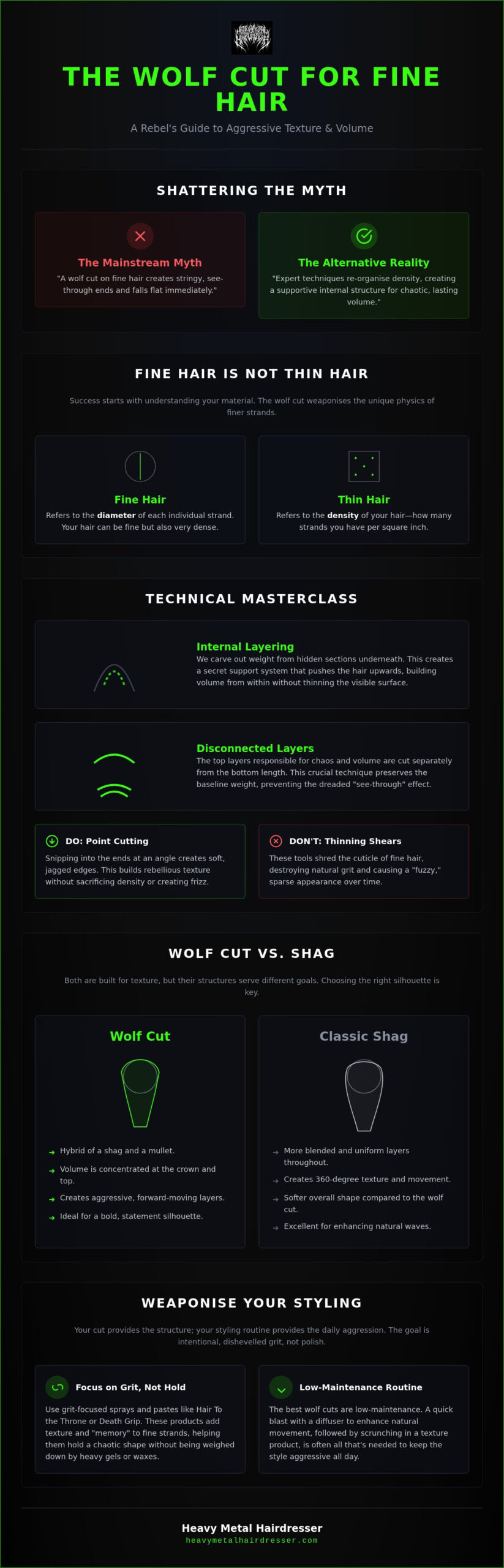
You don’t need a massive mane to pull off a subcultural style. A textured haircut specialist knows how to manipulate fine hair to create a convincing illusion of density. We use shorter internal layers to “push” the longer hair out, creating volume that doesn’t collapse by midday. For those with heavy, bulky hair, we thin it out without creating a cloud of frizz. It is a surgical process of weight management.

Dry cutting is our primary tool for success. Cutting hair whilst it’s wet is like trying to paint a picture in the dark. You cannot see the true weight distribution or the way the cowlicks pull. By cutting dry, we see exactly how each section behaves. We carve out the bulk and watch the shape emerge in real time. This ensures your wolfcut or shag looks just as good when you roll out of bed as it did when you left the salon.

The Technical Rebellion: How Specialists Create Aggressive Alternative Texture

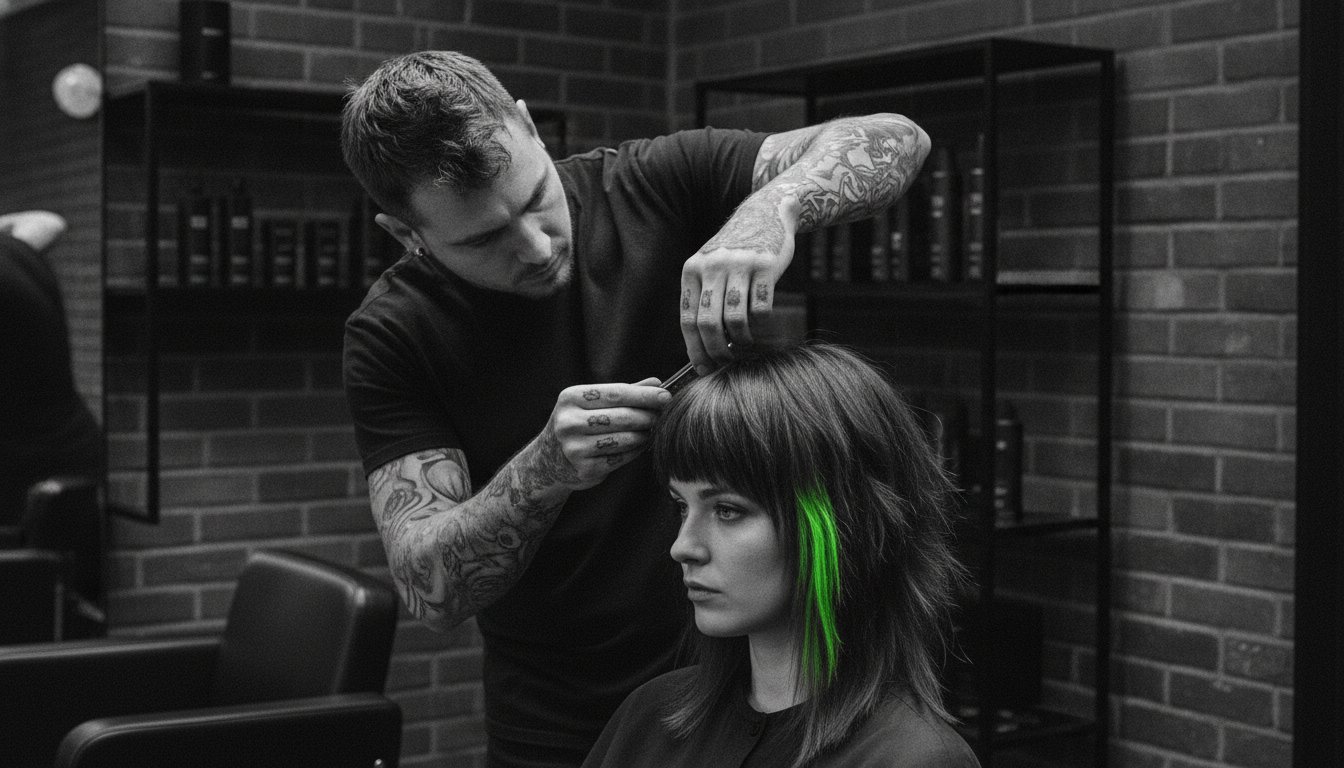
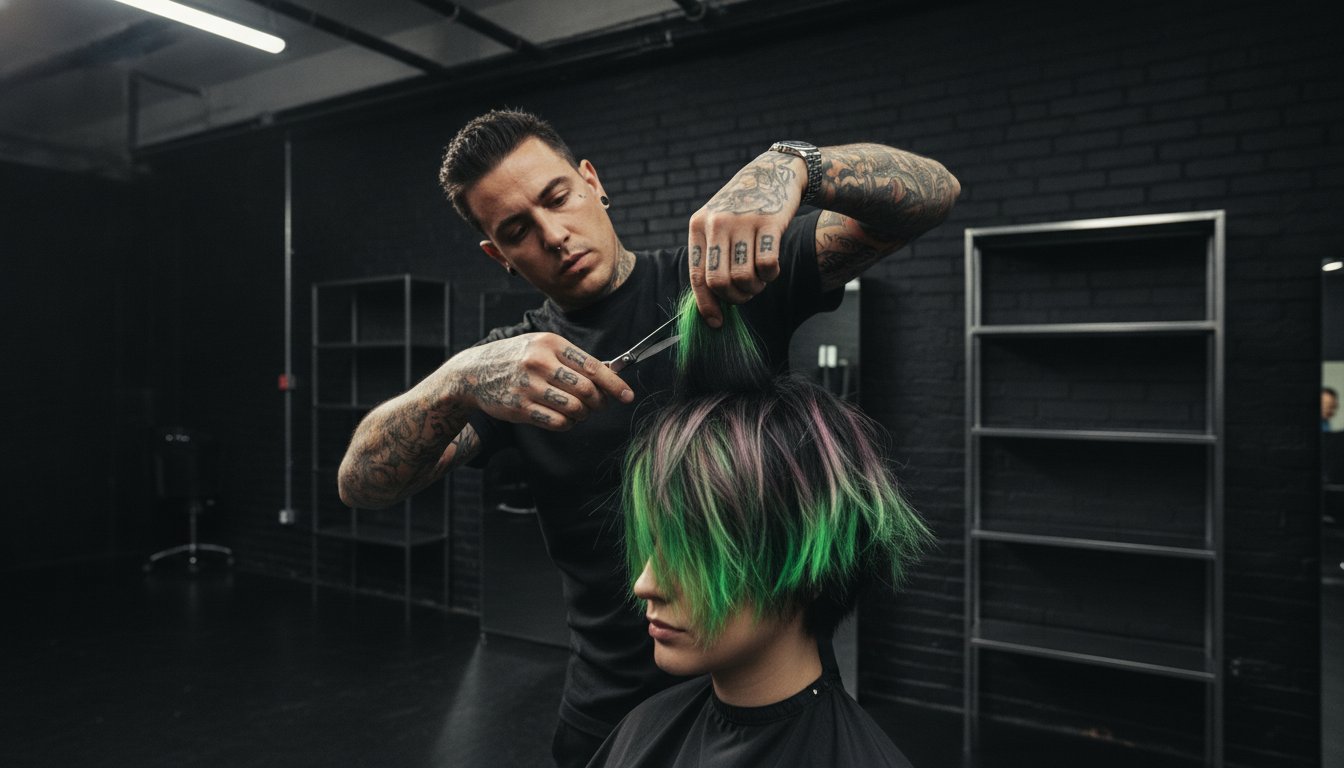
Aggressive texture isn’t an accident. It’s a technical rebellion against the flat, boring standards of mainstream hairdressing. A textured haircut specialist approaches your hair with a specific hierarchy of tools, placing the straight razor at the very top. Whilst traditional stylists fear the blade, we embrace it as the ultimate weapon for creating negative space. By carving into the hair, we create gaps that allow for lift and airiness. This internal weight removal is the secret behind hair that actually moves whilst you walk, rather than just hanging there like a heavy curtain.

The resurgence of retro hairstyles has brought these technical demands back to the forefront of the alternative scene. We use slithering and point cutting not just to soften a line, but to dictate exactly where the hair should collapse or stand up. It’s a surgical process. We aren’t just cutting hair; we’re sculpting it. If you want to see how this technical precision looks in a real-world setting, you can explore our latest transformations at heavymetalhairdresser.com.

Razor Cutting vs. Scissor Cutting

The straight razor provides a tapered, lived-in finish that scissors simply cannot replicate. It’s the essential tool for authentic shags and mullets. There’s a common myth that razors cause split ends. That’s nonsense. Damage only happens with a dull blade or a poor angle. In the hands of an expert, a razor creates a soft, diffused edge that looks cool from day one. We use scissors to build the structural integrity of the cut, ensuring the foundation is solid. The razor is then used to inject the vibe and the attitude.

Point Cutting and Disconnection

If you want the extreme height of a wolfcut, you need disconnection. This means the top layers don’t technically match the bottom ones. It’s a calculated break in the rules. By point cutting at steep, aggressive angles, we create that shredded, raw look. It’s about creating intentional chaos. A textured haircut specialist must master both symmetry and chaos to ensure the result looks deliberate, not accidental. This technical balance is what separates a subcultural statement from a bad haircut. For stylists looking to build this expertise, our professional wolfcut hair course covers the precise disconnection and weight removal techniques needed to deliver authentic alternative results.

Shags, Mullets, and Wolfcuts: Choosing Your Textured Weapon

Choosing your next look isn’t just about picking a photo from a magazine. It’s about deciding how much technical chaos you want to wear every day. A textured haircut specialist understands that these shapes are weapons of self-expression. We don’t just hack away at the length. We look at your bone structure and decide where the volume needs to live to make your features pop. Whether you’re after a subtle rock ‘n’ roll vibe or a full-blown subcultural statement, the right cut is a calculated move.

The transition from a “safe” haircut to an alternative one doesn’t have to happen overnight. Many of our clients evolve their style over several sessions. We might start by introducing internal weight removal to a standard cut, then move into a shag, and eventually push the boundaries with a disconnected wolfcut. This allows you to get used to the movement and learn how to style the “shredded” ends without feeling overwhelmed by the change. It’s a journey of reclaiming your identity through your hair.

The Modern Shag: The Gateway to Texture

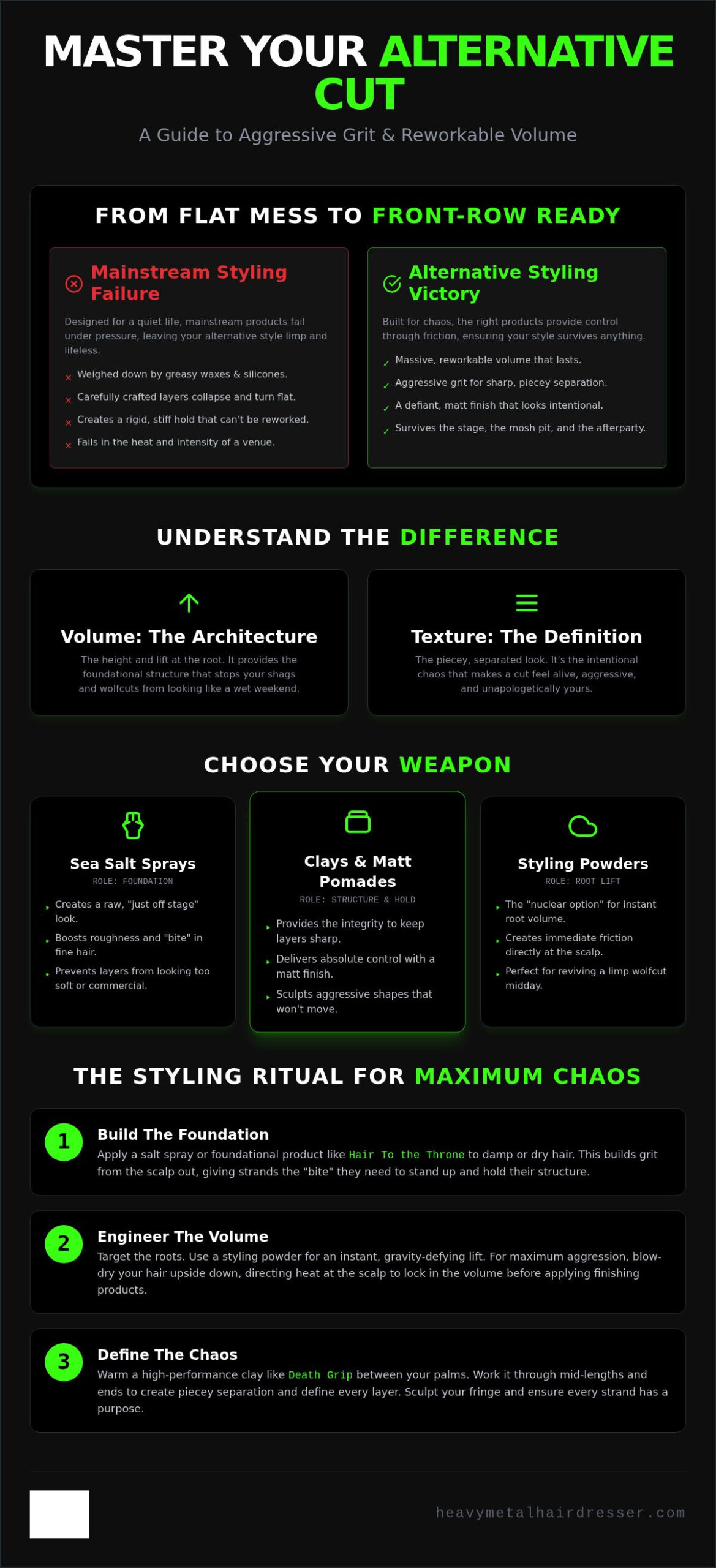
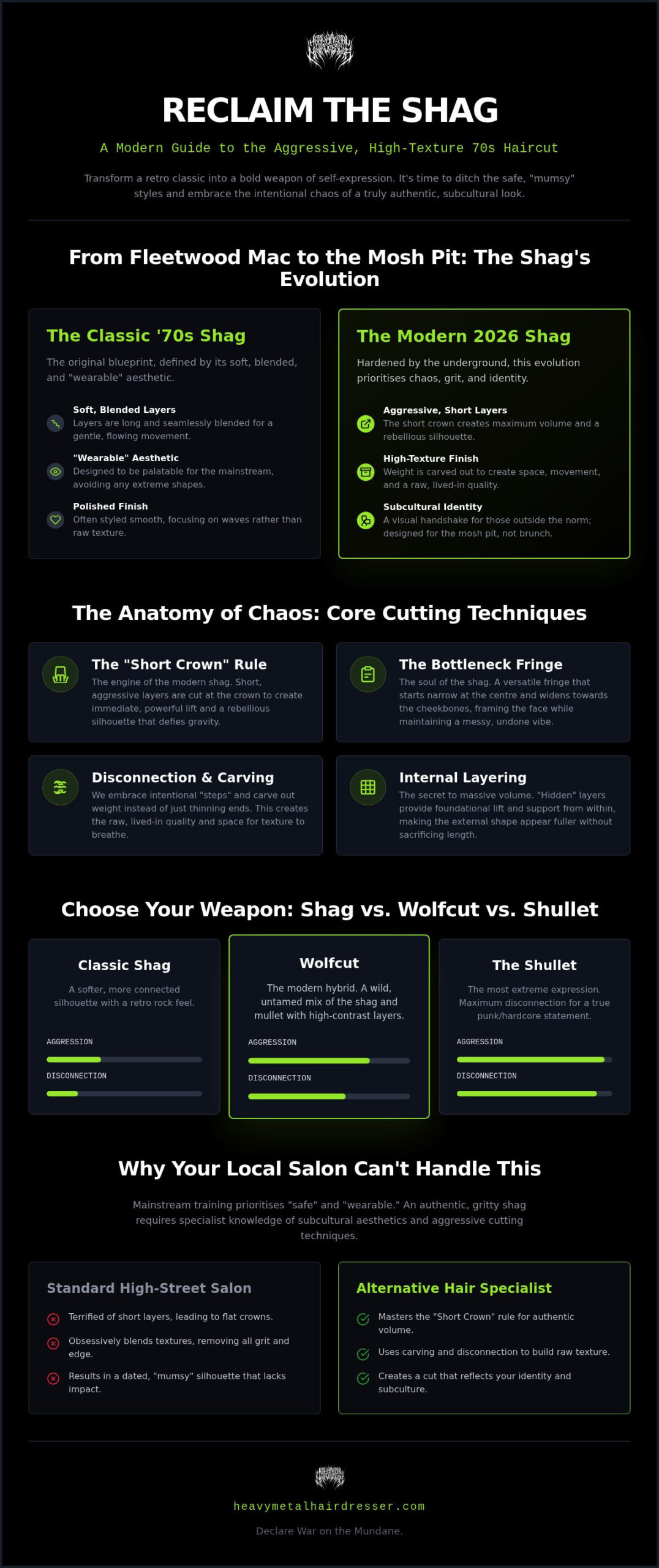
The shag hairdressers pillar of the UK alternative scene is defined by its heavy fringes and explosive crown layers. It’s the most versatile weapon in our arsenal. Because the weight is concentrated at the top, it creates instant lift that works on almost any hair type. We maintain that iconic 70s rock aesthetic but update it with gritty, modern finishes that don’t look like a costume. It’s the perfect choice for those who want maximum volume with a “maintenance-to-cool” ratio that favours the lazy; a bit of texture spray is usually all you need.

The Wolfcut and Mullet: For the Bold

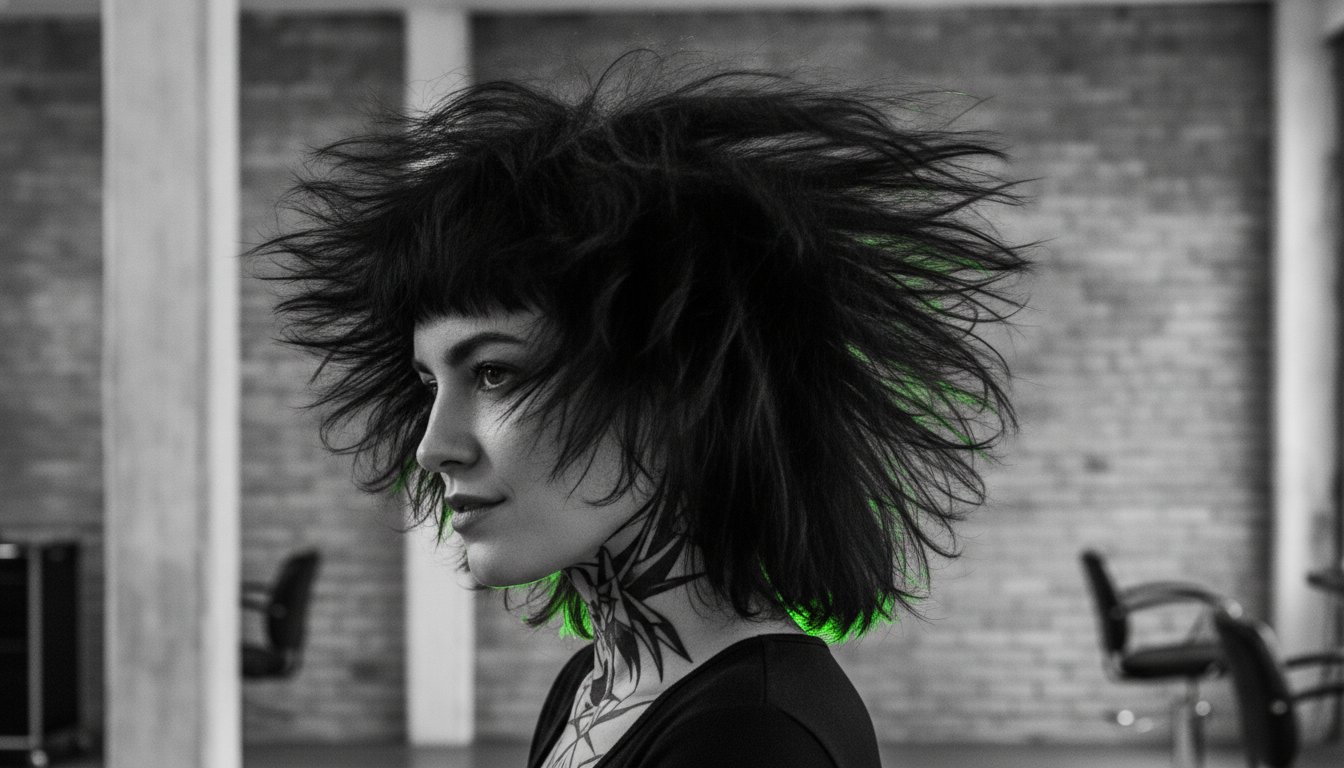
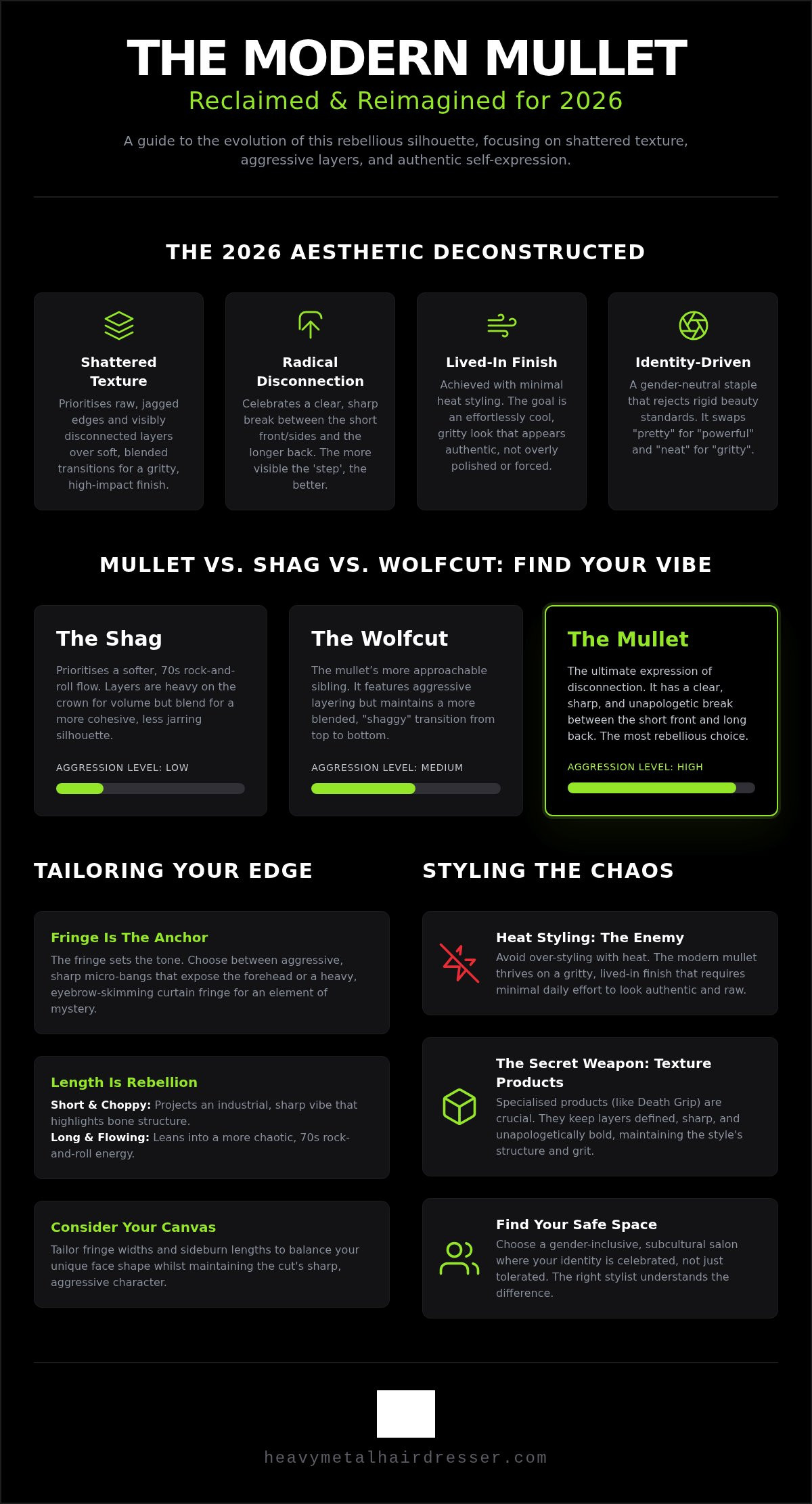
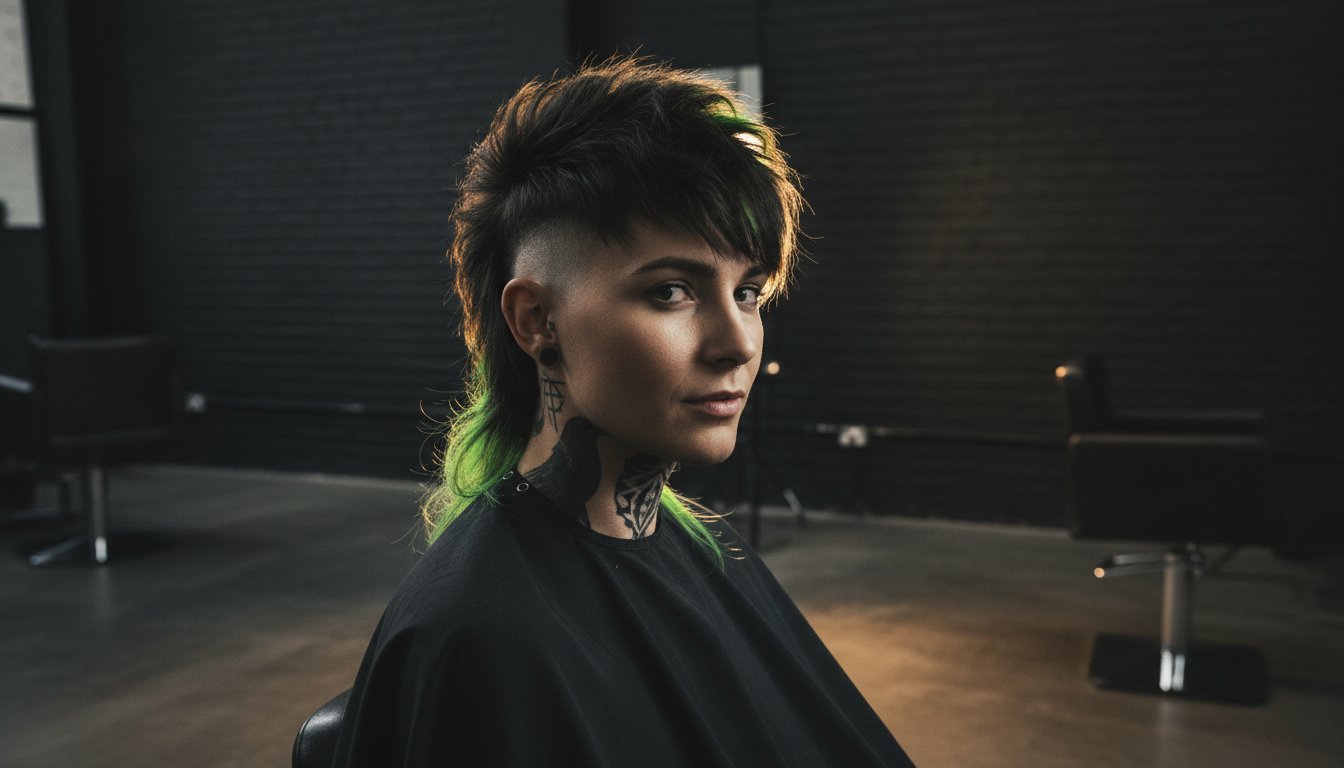
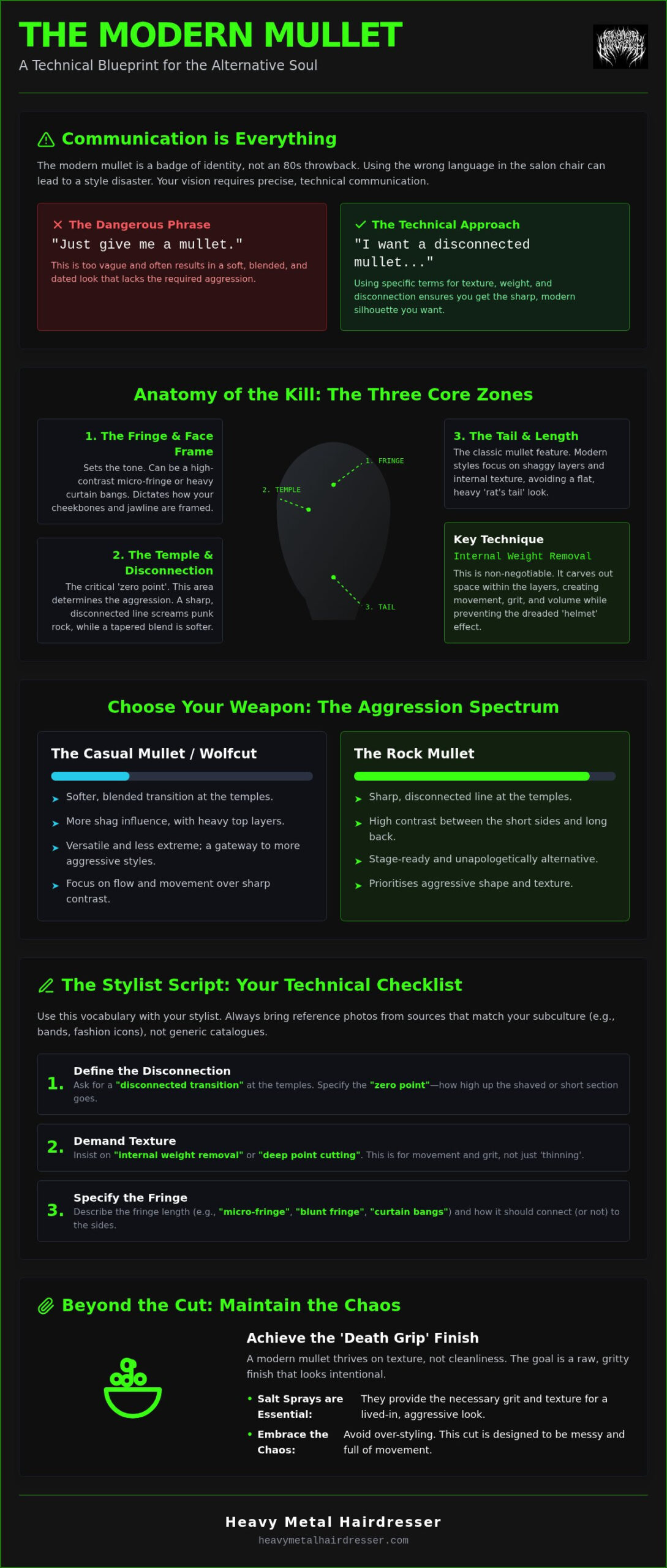
If you’re ready to embrace the extreme, we look toward the wolf hair cut and the modern mullet. The wolfcut is a hybrid beast. It takes the face-framing layers of a shag and blends them with the longer, thinner lengths of a mullet. It’s gender-neutral, unapologetic, and fiercely independent. The modern mullet has moved far beyond the 80s cliché. It’s now a staple of subcultural identity, featuring tight, tapered sides and a textured back that celebrates natural movement. A textured haircut specialist tailors the aggression of these cuts to your comfort level, ensuring the disconnection feels intentional and high-fashion rather than accidental.

Matching these cuts to your face shape is where the expertise really shows. Round faces thrive with the vertical height of a wolfcut, which elongates the profile. Square jawlines are perfectly offset by the choppy, soft fringes of a shag. Heart-shaped faces find balance with the width provided by a mullet’s tail. It’s about using hair to create the proportions you want, whilst staying true to your alternative roots. We don’t believe in “rules” that limit you, only technical guidelines that empower your look.

Textured Haircut Specialist: Mastering the Art of Aggressive Alternative Layers

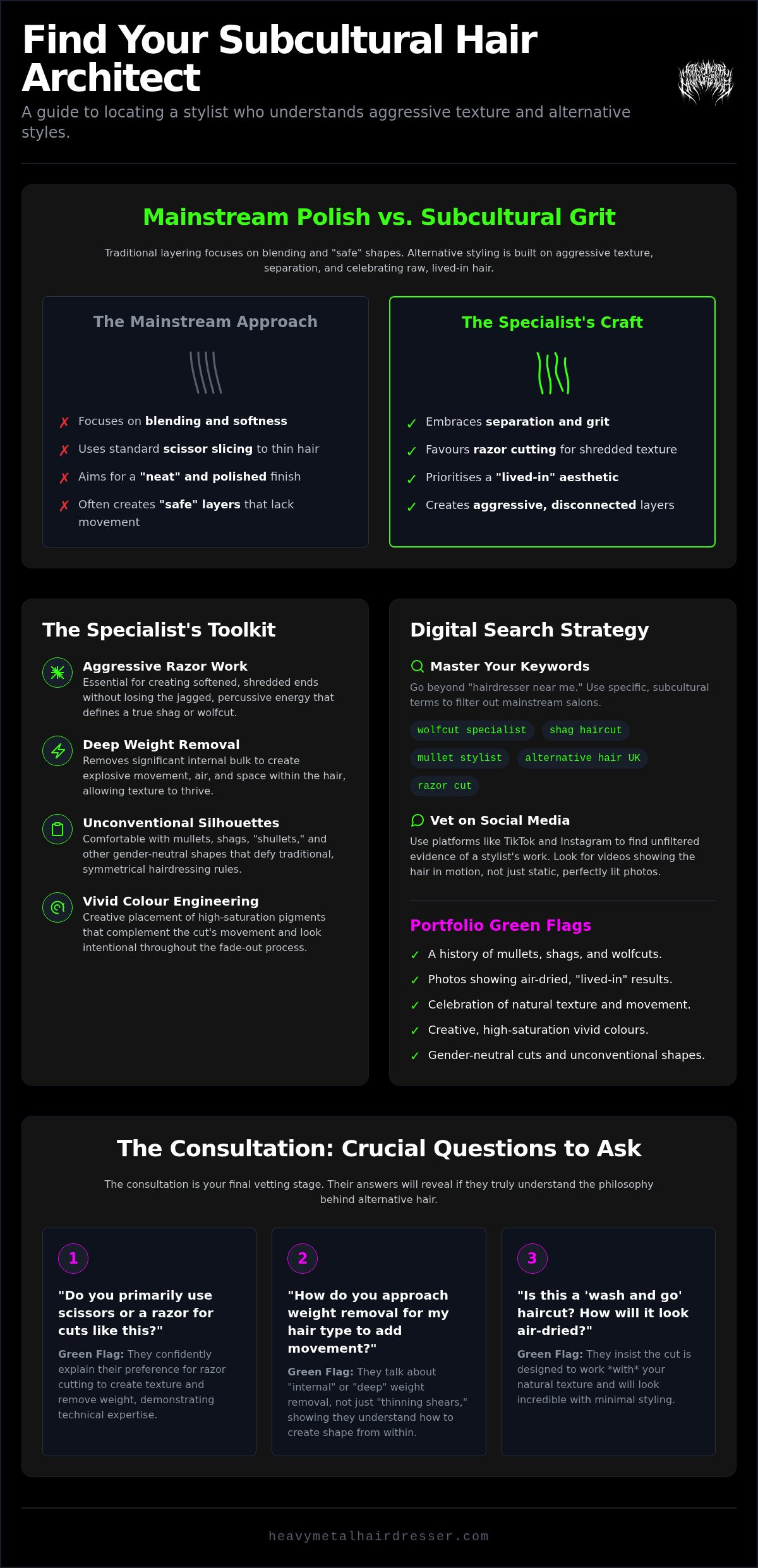
Identifying a Genuine Specialist: Portfolio Red Flags and Must-Ask Questions

Finding a textured haircut specialist isn’t about finding someone who just likes punk music. It’s about technical vetting. Most salon portfolios are filled with “prom hair” and clinical, over-styled blowouts. If you see nothing but polished, glassy finishes, be wary. That stylist is likely hiding a lack of technical precision behind a round brush and far too much hairspray. You need to see the grit. A genuine expert isn’t afraid to show the raw, unpolished reality of a haircut that doesn’t rely on a professional blow-dry to look good.

Look for “lived-in” or “air-dried” results in their work. A specialist should be able to show you how a wolfcut or a shag behaves when it hasn’t been forced into a specific shape with heat. During a consultation, they should be asking about your hair history and your subcultural influences. They should want to know if you’re into 70s rock or 90s grunge because those eras dictate the specific “shred” of your layers. If they don’t understand the vibe, they won’t understand the technical requirements of the cut. If you’re tired of being misunderstood, it’s time to book your transformation at heavymetalhairdresser.com and finally get the cut you deserve.

Questions to Ask Your Potential Stylist

Don’t be afraid to grill your stylist before they pick up the scissors. You are looking for technical answers that prove they understand the architecture of alternative hair. Start with these three essentials:

  • “How do you handle internal weight removal without losing length?” This tests whether they understand how to create movement without just hacking away at the perimeter.
  • “Do you cut hair dry or wet for shags and wolfcuts?” As we discussed earlier, dry cutting is the gold standard for seeing how hair actually behaves.
  • “Can you show me examples of how this cut looks without a professional blow-dry?” Transparency is everything. You need to know you can style this yourself at home.

The Importance of an Inclusive Safe Space

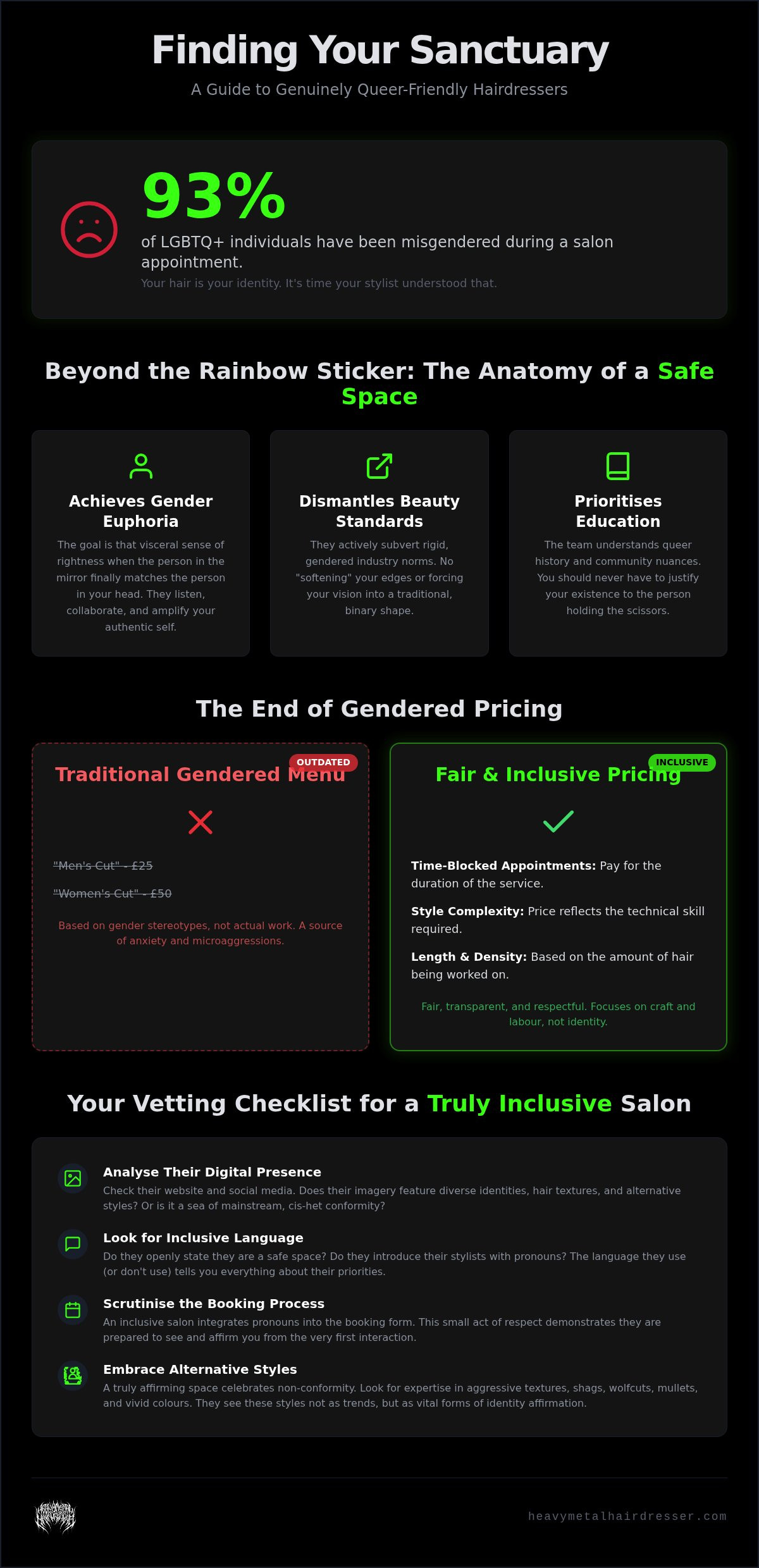
A genuine textured haircut specialist provides a gender-neutral environment where being different is the baseline, not the exception. We reject traditional beauty standards that demand hair be “pretty” or “tame.” Subcultural knowledge informs every snip. Whether it’s the influence of a specific musical scene or a niche fashion movement, your stylist should speak your language. You aren’t just a service appointment; you’re part of a community that values individuality over conformity. Seeking out a specialist who prioritises your identity ensures you leave the chair feeling like yourself, only louder.

Heavy Metal Hairdresser: The UK Centre for Subcultural Texture

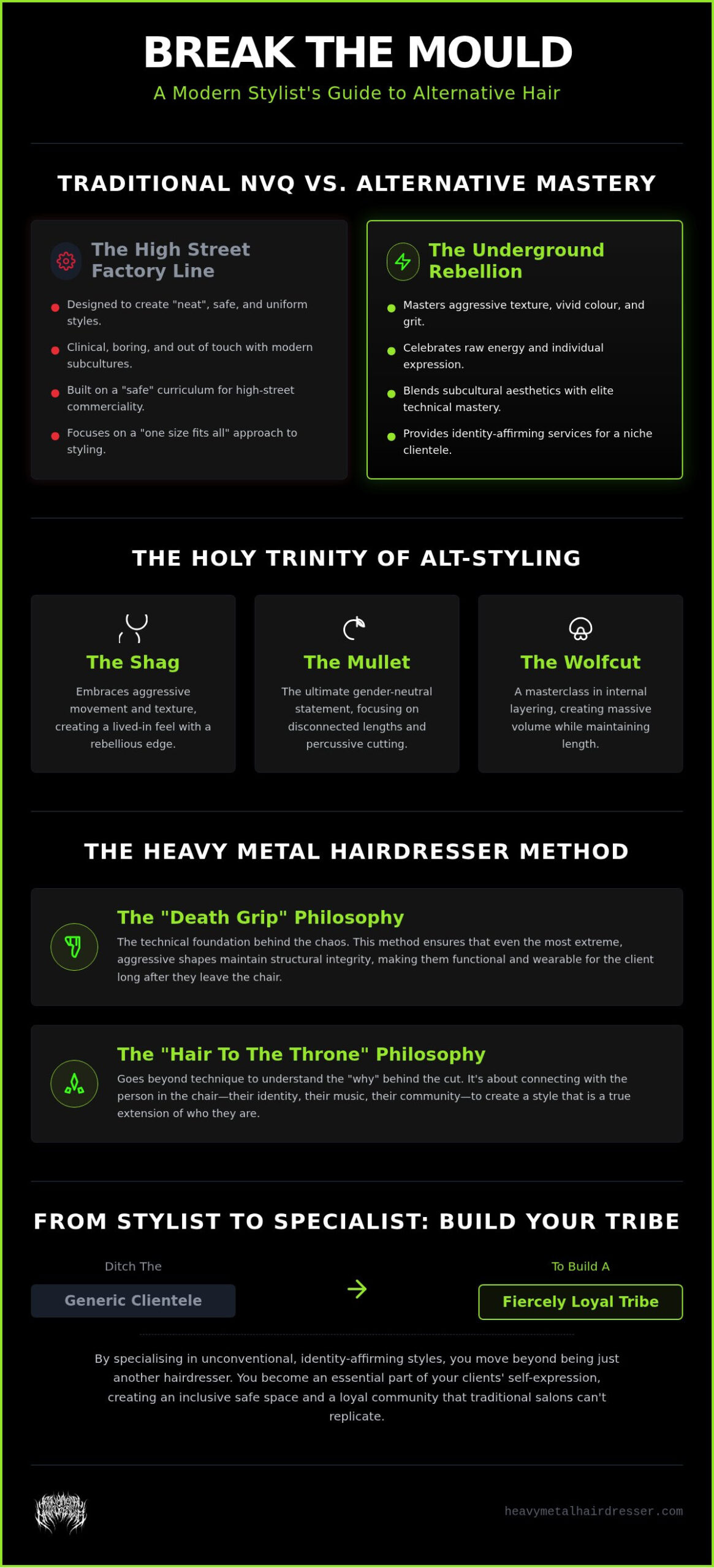
Simon Tuckwell built this space for the rebels. As a leading textured haircut specialist, he understands that your hair is a subcultural flag. It isn’t just about a trim. It’s about a statement. We’ve built a national reputation as the go-to centre for those who refuse to conform. Clients travel from every corner of the UK to sit in our chairs. They know that a standard salon won’t deliver the grit they need. We bridge the gap between technical hair mastery and the raw energy of music culture.

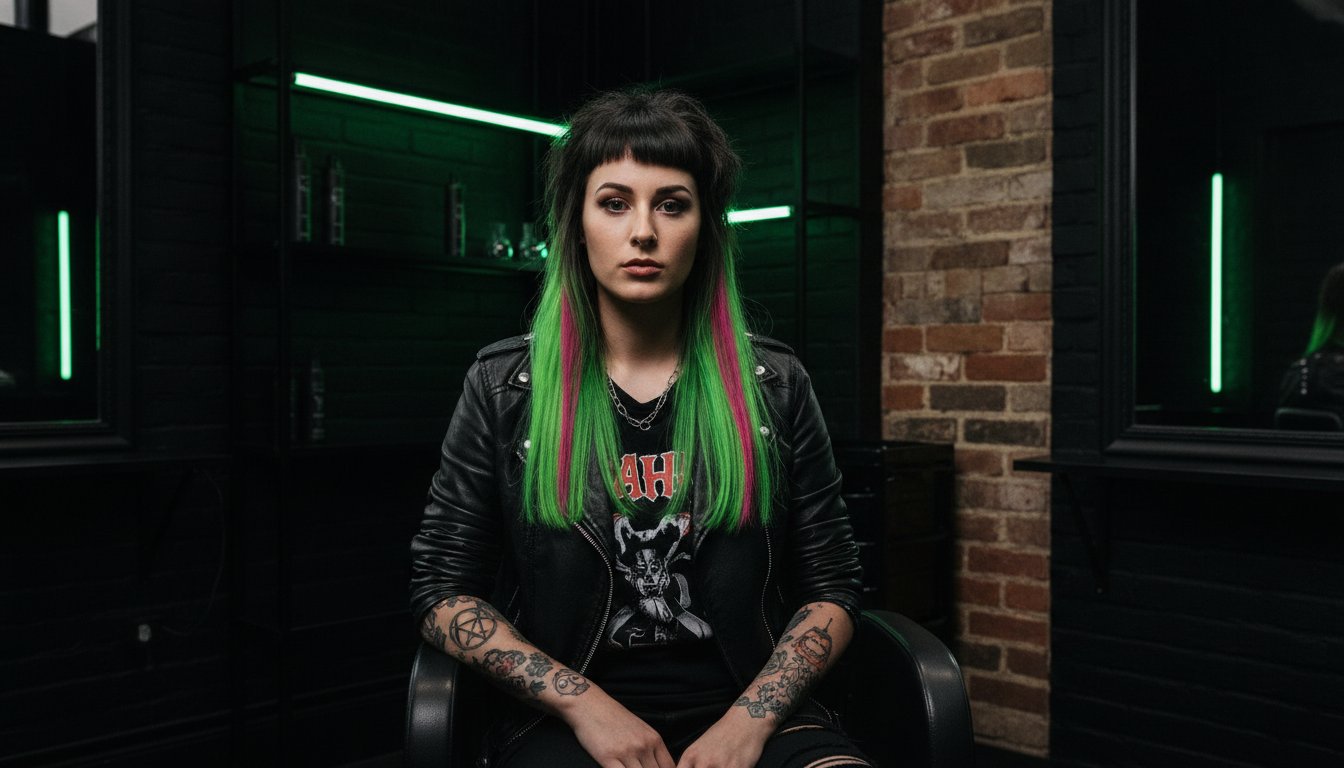
For the ultimate alternative look, we often combine these aggressive shapes with vivid hair colour. A wolfcut or a shag becomes a high-pigment sensation when the layers are engineered to show off depth and tone. It is a total identity overhaul. We don’t do “subtle” here. We do bold, saturated, and technically superior hair that refuses to blend into the background.

From Festival Backstage to the Salon Chair

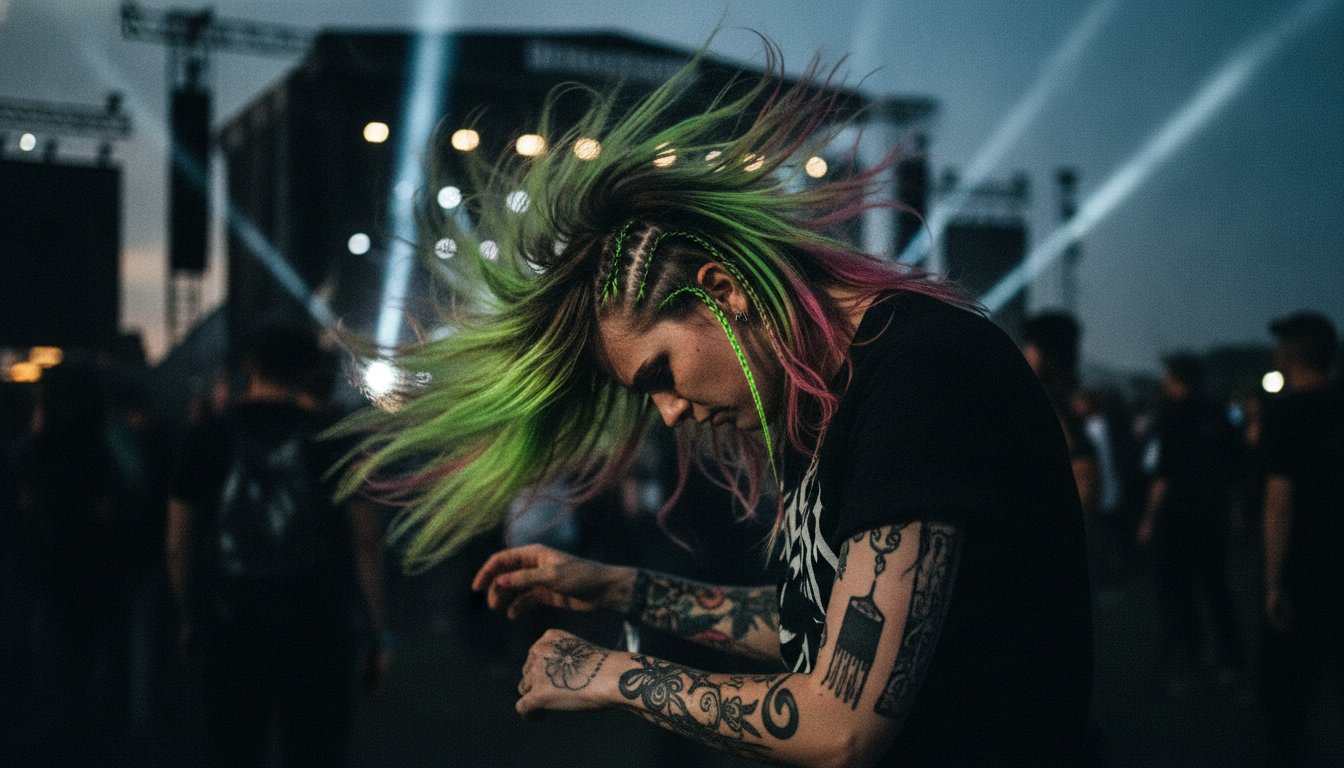
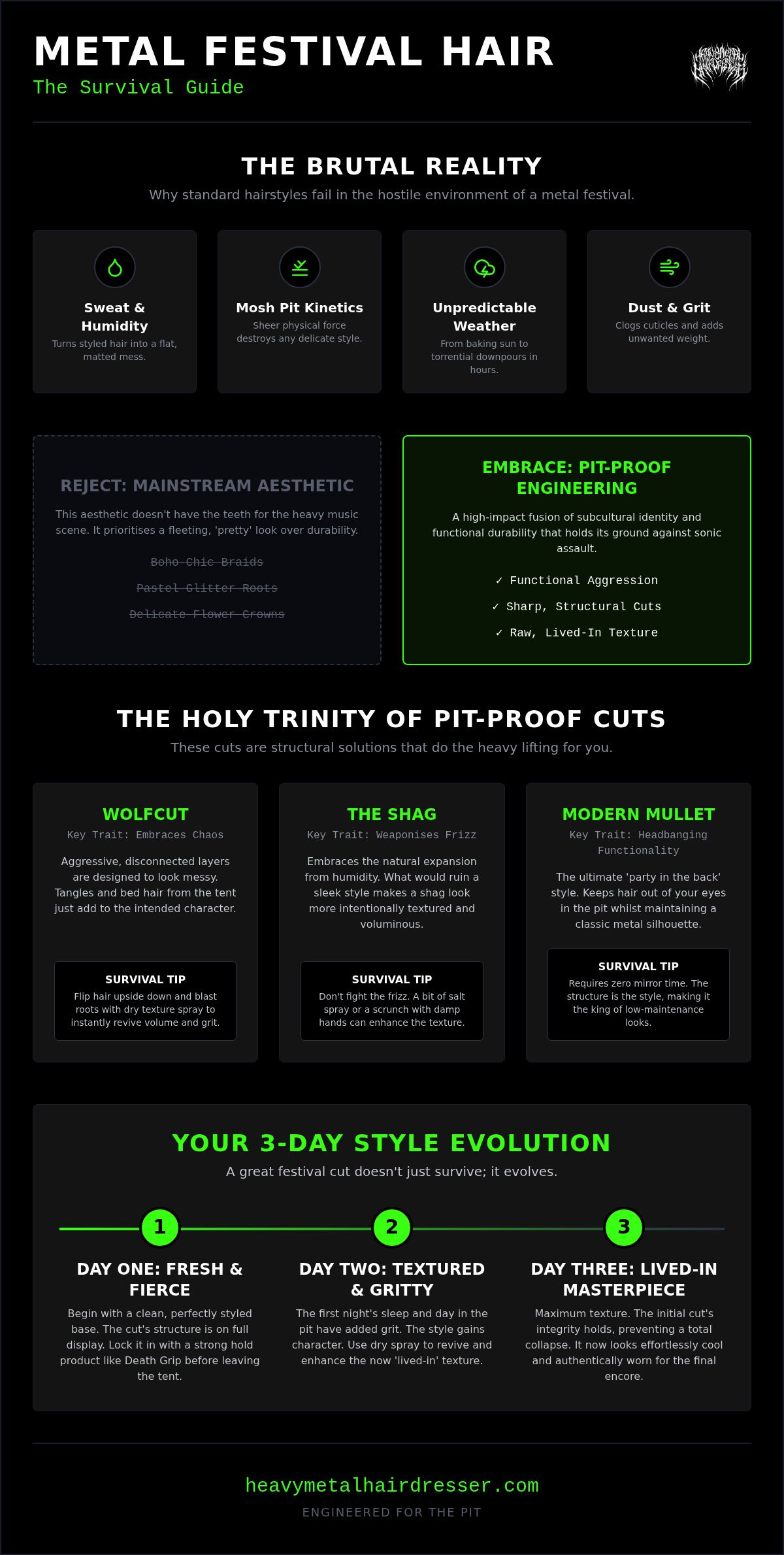
Our expertise isn’t just salon-bound. We’ve spent years backstage at festivals like Download and Bloodstock. This environment is the ultimate testing ground. We’ve mastered the art of creating stage hair for musicians that survives a mosh pit whilst looking incredible under stage lights. This high-energy experience translates directly into your everyday look. Whether we’re using our “Hair To the Throne” philosophy or the precision of “Death Grip,” we ensure your texture lasts. It’s about durability and attitude. Your hair should be able to handle your lifestyle without losing its shape.

Book Your Transformation

Stepping into our salon means entering a high-energy safe space. We organise every session to be inclusive and identity-affirming. For our national clients, we suggest a detailed digital consultation first. This helps us understand your hair behaviour and subcultural goals before you even arrive. We help you plan your trip to the centre to ensure the experience is seamless. You aren’t just getting a haircut; you’re joining a community that celebrates the bold. A textured haircut specialist is waiting to unlock the volume you’ve been denied by mainstream stylists. Don’t settle for “mumsy” layers ever again. Book your textured transformation at Heavy Metal Hairdresser and finally claim the subcultural identity you deserve.

Claim Your Subcultural Identity

Stop settling for safe, “mumsy” hair that lacks the movement you crave. You now know that aggressive texture is a technical engineering feat, not just a random hack. It requires a textured haircut specialist who understands the architecture of weight removal and the grit of subcultural aesthetics. We’ve explored how tools like the straight razor and techniques like disconnection transform flat hair into a bold statement. It’s about reclaiming your look from mainstream standards and finding a shape that reflects your world.

At Blank Space Creative, award-winning creative director Simon Tuckwell and our team bring high-energy expertise from the backstage of Download and Bloodstock festivals. We provide a gender-inclusive safe space where your identity is the priority. We don’t just cut hair; we sculpt it to survive your lifestyle and celebrate your community. Your hair is your loudest accessory. It’s time to make sure it says exactly what you want it to. Don’t wait for permission to be different.

Join the rebellion and book your textured cut with the UK’s alternative specialists.

Frequently Asked Questions

What exactly is a textured haircut specialist?

A textured haircut specialist is an architect of movement who focuses on the internal weight of your hair rather than just the length. We use advanced tools like straight razors and techniques such as carving to create negative space within a style. This ensures your hair has a specific “vibe” and grit that mainstream, polished salons simply cannot replicate. We prioritise how the hair behaves when it’s lived-in and messy.

Can a textured specialist help with very fine or thin hair?

Yes, we use strategic internal layering to create the illusion of density and height. By cutting shorter layers underneath longer sections, we “push” the hair up to prevent it from sitting flat against the scalp. It is a technical way to build volume that doesn’t rely on heavy products or constant backcombing. Fine hair thrives when the weight is managed properly by a textured haircut specialist.

How often should I get a textured haircut like a shag or wolfcut?

You should aim for a refresh every 8 to 12 weeks to maintain the aggressive shape of the crown. Whilst these alternative styles are designed to grow out beautifully and look better with a bit of “age,” the internal layers eventually lose their lift. Regular maintenance ensures the weight distribution stays balanced and your fringe doesn’t lose its intended impact.

Is a razor cut better for texture than a scissor cut?

The straight razor is the superior tool for creating the tapered, shredded ends essential for shags and mullets. Scissors are brilliant for building the initial structure and integrity of a cut, but the razor provides a diffused edge that scissors cannot mimic. We often use a combination of both to ensure your style has both a solid foundation and a rebellious, lived-in finish.

Do I need specific products to maintain a textured haircut at home?

Texture sprays, salt sprays, and matt clays are your primary weapons for daily styling. These haircuts are engineered to look best with a bit of grit and “dirt” in them, so avoid heavy silicones or smoothing oils that cause the layers to collapse. We want to encourage the hair to clump and move, so lightweight products that provide a dry finish are always the best choice.

Can I get a textured haircut if I have curly hair?

Absolutely, and a textured haircut specialist will work with your natural curl pattern rather than against it. We focus on removing bulk from the “triangle” areas to ensure your curls have room to bounce and spiral. It’s about celebrating the natural chaos of your hair whilst giving it a deliberate, subcultural shape that reflects your identity.

Why do my layers always look like a “step” instead of blending?

Visible “steps” happen when a stylist only cuts the perimeter and fails to remove internal weight. They are essentially stacking hair on top of hair without creating a bridge between the lengths. We use point cutting and razoring to bleed the layers together, ensuring the transition is fluid whilst still maintaining the aggressive height you want at the crown.

How do I explain an alternative textured cut to a new hairdresser?

Ask for “internal weight removal,” “disconnected layers,” and “shredded ends” rather than just “layers.” Use specific terms like “wolfcut” or “modern shag” and always provide photos of the hair air-dried or in a lived-in state. If the stylist seems hesitant about taking off significant weight or using a razor, they likely don’t have the technical niche expertise you require. If you’re a stylist looking to close that skills gap yourself, our wolfcut hair course is designed to build the aggressive layering and disconnection techniques your clients are asking for.

Posted on

The Ultimate Wolf Hair Cut Guide: Aggressive Texture and Subcultural Grit

The Ultimate Wolf Hair Cut Guide: Aggressive Texture and Subcultural Grit

Most salons are terrified of your hair. They want to give you “soft layers” and “manageable volume” when you actually want a riot on your head. The wolf hair cut isn’t just a trend; it’s a middle finger to the polished, boring aesthetic of the mainstream. It’s an aggressive, high-octane evolution of the shag and the mullet, designed specifically for those who prioritise identity over being “pretty.”

You’ve likely felt the frustration of a stylist making your look too safe or watching your fine hair go limp the moment you leave the shop. We get it. This guide is here to help you master the anatomy, styling, and raw attitude of the look. We’ll show you how to maintain the beautiful chaos of those layers whilst ensuring your silhouette reflects your subcultural grit. You’re about to learn how to handle the texture, choose your favourite products, and keep your hair looking sharp, loud, and unapologetically alternative.

Key Takeaways

  • Discover how the wolf cut fuses 70s shag vibes with 80s mullet grit to create a silhouette that’s heavy on top and sharp at the ends.
  • Learn the technical anatomy of a wolf hair cut, focusing on short-to-long layering that forces volume into even the flattest hair.
  • Stop fearing the thinning effect; find out how strategic “shelf-like” layers actually inject life and movement into fine strands.
  • Master the “Wash and Mosh” technique to achieve a raw, gritty finish without spending hours in front of the mirror.
  • Understand why a specialist stylist is essential to avoid a “safe” mainstream result and capture true subcultural attitude.

Defining the Wolf Hair Cut: Where the Shag and Mullet Collide

Forget the clinical definitions you’ll find in mainstream magazines. The wolf hair cut isn’t just a style; it’s a structural rebellion. It exists at the violent intersection of the 1970s Shag and mullet of the 80s. This isn’t about looking “neat.” It’s about creating a silhouette that is intentionally top-heavy, aggressively layered, and drastically thinned out through the lengths. By 2026, this cut has evolved from a viral TikTok moment into the definitive uniform for the alternative scene, favoured by musicians and artists who reject the “safe” aesthetics of the high street.

The core silhouette is unmistakable. It demands a heavy, often disconnected fringe and a crown that explodes with volume. This weight then collapses into thin, wispy ends that frame the neck. Unlike a standard layered cut, which aims for a smooth transition, the wolf cut embraces the “shelf.” It’s a deliberate clash of lengths that provides a gritty, unpolished edge. This is why it has become the go-to for those amongst the underground scene who want their hair to speak as loudly as their music.

The Evolution of Alternative Texture

Tracing the lineage of this cut reveals a history of subversion. It starts with the shaggy glam rock icons and moves through the gritty, underground punk scenes where the mullet was a badge of honour. The modern wolf hair cut takes those elements and sharpens them for a new generation. It has become a staple for gender-inclusive styling because it ignores traditional masculine and feminine hair rules. Instead, it focuses on the “wild” aesthetic, a jagged, untamed look that gives the cut its name. It’s hair that looks like it belongs in a mosh pit, not a boardroom. It’s about raw energy and an “unfussed” attitude that refuses to conform to traditional beauty standards.

Wolf Cut vs. Butterfly Cut: Knowing the Difference

Don’t let a mainstream stylist tell you they’re the same thing. The butterfly cut is designed for “pretty” volume, using soft, blended layers to create a bouncy, polished finish. The wolf cut is for “gritty” texture. Whilst the butterfly cut seeks harmony, the wolf cut thrives on discordance. It uses disconnected, shattered layers to create a shelf-like volume at the crown that drops off into wispy, razor-cut ends. If you want to look like a hair advert, get a butterfly cut. If you want your hair to reflect your subcultural grit and individual identity, the wolf cut is the only choice. It is the superior tool for alternative self-expression because it demands to be noticed. It’s about the chaos of the layers and the attitude you carry with them.

The Anatomy of an Aggressive Wolf Cut: Layers, Volume, and Grit

A wolf hair cut is an exercise in controlled destruction. It isn’t an accident; it is an engineered explosion of hair that prioritises attitude over order. To get this look right, your stylist needs to master the “short-to-long” layering technique. This involves cutting the top sections significantly shorter than the bottom to create that signature shelf-like volume. This isn’t about the seamless blending you find in a suburban salon. It’s about creating a visible, intentional step in length that gives the crown its height whilst leaving the lengths thin and wispy. For a deeper dive into the mechanics, The Wolf Cut: The Latest Hairstyle Trend offers a solid technical overview of why this structure works.

The tools used are just as important as the technique. Whilst scissors provide the structural foundation, a razor is often the secret weapon for that shredded, underground finish. Razors allow a stylist to “carve” into the hair, removing weight and creating the jagged, irregular ends that define subcultural grit. This process thins out the mid-sections and ends, ensuring the silhouette remains bottom-heavy in attitude but physically light and mobile. If you’re tired of “safe” styles and want a look that actually bites, our specialist Wolfcuts are designed to deliver exactly that level of aggression.

The Heavy Fringe: Framing the Chaos

The fringe is the soul of this cut. You aren’t just looking for a bit of hair over your forehead; you want a statement. Whether you opt for eyebrow-grazing choppy layers, a bold micro-fringe, or heavy curtain bangs, the fringe must feel substantial. It should blend into the shorter crown layers but remain distinct enough to frame your face with intent. A disconnected fringe is the anchor of the entire silhouette. It provides the “armour” that balances out the wild, untamed texture of the rest of the cut. Choosing the right one depends on your face shape, but the goal is always the same: maximum impact.

Internal Layering and Disconnection

Internal layering is what prevents the wolf cut from looking like a flat, dated mullet. By removing weight from the inside, a stylist creates “pockets” of air that force the hair to lift. This is essential for those with fine hair who fear the cut will look limp. The “mullet” tail is achieved by keeping the perimeter length whilst aggressively shredding the sections just above it. This creates a disconnected look that feels raw and unpolished. Don’t mistake “aggressive” for “messy.” A high-quality wolf cut requires precision technical execution to ensure the chaos looks deliberate and stays manageable at home. If you want to understand how the mullet element of this cut has evolved into its own high-contrast weapon of subcultural identity, our guide to the modern mullet haircut breaks down exactly how this shape has been sharpened for 2026.

The Ultimate Wolf Hair Cut Guide: Aggressive Texture and Subcultural Grit

Is the Wolf Cut for Everyone? Matching Texture and Face Shape

The biggest myth floating around mainstream salons is that the wolf hair cut is only for people with thick, naturally wavy hair. That’s nonsense. In reality, the architecture of this cut is a problem-solver. It’s about adaptation, not imitation. Whether your hair is pin-straight and fine or a chaotic mass of curls, the wolf cut can be tailored to work with your natural behaviour rather than fighting against it. The key is in how your stylist manages the weight and where they decide to place the “shattered” layers to suit your specific face shape.

Many people worry that the aggressive layering will make their hair look thin or “ratty.” If done by a specialist who understands subcultural grit, the opposite happens. By strategically removing weight from the mid-sections and crown, we create a silhouette that feels intentional and full of life. It’s about creating a look that reflects your identity whilst making the most of the texture you were born with. This isn’t a “one size fits all” job; it’s a custom build for your head.

Wolfcut for Fine Hair: Injecting Chaos into Thin Strands

If you have fine hair, you’ve likely spent years being told to keep your layers long and “blunt” to preserve thickness. The wolf cut throws that advice in the bin. By cutting shorter crown layers, we remove the heavy weight that pulls fine hair flat against the scalp. This creates immediate lift and the illusion of density. If you’re worried about maintaining length whilst adding grit, check out our guide on wolfcut on fine hair for a deeper breakdown. To keep the look from falling flat at home, use a dry texturising spray. It adds “grip” to the strands, allowing those shattered layers to stand out and maintain their “chaos” throughout the day.

Managing the Beast: The Wolf Cut for Thick and Curly Hair

For those with thick hair, the challenge is managing the “beast” without losing the aggressive silhouette. This is where “carving” techniques come into play. A specialist will use a razor or thinning shears to remove bulk from the internal sections of the hair. This ensures the top remains voluminous without the bottom looking like a solid wall of hair. Curly hair is actually the ultimate partner for a wolf hair cut. The layers allow curls to bounce and stack, creating a natural, wild texture that requires very little effort. In high-humidity environments, embrace the frizz. A bit of expansion only adds to the “shag” element, giving you a look that feels raw, lived-in, and unapologetically alternative.

How to Style Your Wolf Cut for Maximum Chaos

Mainstream guides will tell you to use “frizz-ease” and smoothing serums. That is the quickest way to kill the soul of a wolf hair cut. We don’t want polished. We want friction. We want the grit that comes from hair that looks like it’s been through a three-day festival. The goal is a raw, lived-in texture that accentuates the aggressive layering we’ve built into your silhouette. If it looks too “done,” you’ve missed the point.

For those with natural movement, the “Wash and Mosh” approach is your best friend. Wash your hair, apply your texture products, and then leave it alone. Let the air do the heavy lifting. If you’re chasing more drama, grab a hairdryer and a diffuser. Use the diffuser to “blast” volume directly into the crown layers. This forces the hair up and out, creating that defiant, top-heavy shape. Don’t be afraid of a little frizz; it adds the necessary bulk to make the layers stand out. To get the best results, you’ll need a kit of sea salt sprays, dry waxes, and heavy-duty texture pastes. If you want to make sure your arsenal is built from alternative hair merch UK that actually performs under pressure rather than generic high-street products, our gear guide covers exactly what you need. For a full breakdown of the exact techniques and products that keep aggressive texture alive all day, our guide on how to style a wolfcut for maximum subcultural grit covers everything you need.

The Five-Minute Grunge Style

You don’t need an hour in front of the mirror to look this good. Follow these steps for a quick, gritty finish. First, apply a salt spray to damp hair. This provides “teeth” and encourages natural separation. Second, rough-dry your hair with your head upside down. This is the only way to force genuine volume into the roots without using chemical lifters. Finally, use a product like Death Grip to define the ends. Work a small amount through the mid-sections and the “mullet” tail to create those sharp, piecey layers that define the subcultural look. If you’re ready to commit to the chaos, grab your spot for one of our signature Wolfcuts and let us build the foundation for you.

Reviving the Volume Between Washes

A wolf cut often looks better on day two or three. The natural oils provide a built-in weight that helps the layers clump together. To keep the height, use dry shampoo at the roots. It isn’t just for cleanliness; it’s a styling tool that adds essential “grit” and lift. You can “scrunch” life back into the layers using just your hands, no extra heat required. Because this style shares so much DNA with other textured looks, you can find overlapping care tips in our guide on how to maintain a shag haircut. Keep the texture messy, keep the volume high, and never apologise for the chaos.

Why Your Wolf Cut Needs a Specialist Stylist

Mainstream high-street salons have a habit of taking something radical and making it “polite.” When you ask for a wolf hair cut at a standard shop, you often walk out with a safe, blended version that lacks the necessary bite. They’ll try to “tame” the layers or soften the fringe because they’re trained to prioritise traditional beauty standards. To get the aggressive texture and subcultural grit this style demands, you need a specialist who understands that the “mess” is the point. You aren’t looking for a haircut that looks good in a corporate headshot; you want one that looks right in the front row of a gig. Finding the best wolfcut hairdresser UK has to offer means seeking out someone who respects the subcultural roots of the look and has the technical grit to pull it off without softening the edges.

Technical skill is only half the battle. A creative specialist needs to understand the subculture behind the look. They should know the difference between a 70s rock shag and a modern, jagged evolution. This understanding informs how they use a razor to shred the hair, ensuring the silhouette remains defiant rather than just “layered.” It’s about the energy you bring to the chair. We’ve built a space where being different isn’t just tolerated; it’s the entire objective. This is especially vital for those seeking non-binary or gender-affirming looks that don’t fit into the “mens” or “womens” boxes found in traditional shops.

The Heavy Metal Hairdresser Difference

Simon Tuckwell didn’t learn his craft by following mainstream trends. He built his reputation by “shredding” hair for bands and festival-goers who need their style to survive a mosh pit. The salon’s history at legendary festivals like Download and Bloodstock is proof of our alternative mastery. We don’t do “pretty” volume; we do high-octane texture. When you book with a wolfcut specialist at our studio, you’re getting someone who knows exactly how to push the boundaries of your hair’s natural behaviour. We won’t try to talk you out of a bold choice. We’ll just make sure it looks lethal.

Mastering the Craft: Training for the Future

The demand for alternative styling is exploding, but the industry is still catching up. We don’t just provide these cuts; we’re actively shaping the next generation of rebellious experts. Through our alternative hair courses UK, we teach stylists how to master the “shag” and “mullet” techniques that define the 2026 scene. Professional education in these niche methods is vital to keep subcultural identities alive and sharp. If you’re a client, this means you’re in the hands of innovators. If you’re a stylist, it’s your chance to ditch the boring rules. Don’t settle for a boring cut—embrace the wolf.

Claim Your Identity and Own the Chaos

The wolf hair cut is more than just a passing trend; it is a structural rebellion against the polished and the predictable. You now have the blueprint to master the anatomy of this look, from the shattered crown layers to the gritty, razor-cut ends. This style thrives on friction and intentional discordance. It demands a specialist who understands that your hair is a visual extension of your subcultural grit. Don’t let a mainstream salon water down your vision with safe, blended layers that lack the necessary bite.

We’ve spent years “shredding” hair as official backstage stylists for festivals like Download and Bloodstock. Our studio is a gender-inclusive safe space for all alternative identities, specialising in aggressive texture and vivid colour that refuses to be ignored. It’s time to stop settling for “pretty” and start looking as loud as you feel. Book your aggressive wolf cut transformation at Heavy Metal Hairdresser today. Your hair should be as unapologetic as the music you love. Embrace the chaos and wear it with pride.

Frequently Asked Questions

Is a wolf cut the same as a mullet?

It’s not a mullet, but they’re closely related. A wolf hair cut is the aggressive lovechild of a shag and a mullet. Whilst a mullet is traditionally “business at the front,” the wolf cut is a riot all over. It uses 360-degree layering to create a top-heavy silhouette that doesn’t just sit at the back. It’s about total, unpolished texture. If you want to explore how the mullet has been reimagined as a standalone high-contrast statement for 2026, our deep dive into the modern mullet haircut and its alternative texture is essential reading.

Will a wolf hair cut suit a round face shape?

It definitely suits round faces. The heavy crown layers add essential height, whilst the shattered fringe creates sharp angles that break up a circular silhouette. It’s a great tool for adding definition. By framing the cheekbones with jagged layers, you get a more contoured, aggressive look that moves away from a “soft” appearance.

How often do I need to trim my wolf cut to keep the shape?

Aim for a trim every 6 to 8 weeks to maintain the aggression. Because the look relies on a specific “shelf” of volume at the crown, even an inch of growth can make the silhouette fall flat. Regular maintenance ensures the ends stay shredded and the internal layers keep their lift. It stops the “chaos” from looking like a mistake.

Can I get a wolf cut if I have very short hair?

You can start a “pixie wolf” on shorter hair, but you need some length at the nape to get the signature tail. If your hair is currently a buzz cut, wait until you have about three inches of growth before starting the layering process. It’s a journey of building volume at the top whilst letting the back grow thin and wild.

What should I say to my hairdresser to get a wolf cut?

Tell them you want “disconnected internal layering” and a “shattered finish.” Avoid words like “blended” or “soft.” Ask for a short-to-long layering pattern that prioritises crown volume. If they look confused, they probably aren’t the right specialist for your subcultural grit. Always bring photos of raw, unpolished looks rather than mainstream celebrity versions.

Do I need a fringe for a wolf cut to work?

A fringe is the anchor of this look. Whether it’s a micro-fringe or eyebrow-grazing curtain bangs, you need that weight at the front to balance the heavy crown. Without a fringe, the cut loses its subcultural edge and starts looking like a standard long-layered style. It’s the piece that frames the chaos and gives the cut its attitude.

How do I style a wolf cut if my hair is naturally pin-straight?

Friction is your best friend if your hair is pin-straight. Use a heavy-duty salt spray on damp hair and rough-dry with your head upside down to force volume into the roots. Avoid any smoothing or “frizz-ease” products. You want the hair to feel slightly “rough” to the touch so the layers separate and show off the wolf hair cut silhouette.

Is the wolf cut a gender-neutral hairstyle?

This is a purely gender-neutral style. It rejects traditional binary hair rules in favour of individual identity and subcultural expression. It works for anyone who wants to ditch “pretty” or “masculine” standards for something more raw and authentic. It’s a versatile tool for gender-affirming styling that prioritises how you feel over how society expects you to look.

Posted on

The Alt-Hair Survival Guide: How to Maintain a Shag Haircut Between Gigs

The Alt-Hair Survival Guide: How to Maintain a Shag Haircut Between Gigs

Your shag haircut is a high-stakes gamble between looking like a legendary frontman or your primary school teacher. You left the chair feeling like a god, but three weeks later, those aggressive layers have lost their kick and you’re wondering how to maintain a shag haircut without it turning into a flat mess. The volume is gone, your fringe is stabbing you in the eyes, and you’re terrified you’re sliding into “mum cut” territory. It’s a common struggle for anyone living outside the mainstream. You want that raw, underground aesthetic to last, but hair has a frustrating habit of growing out of its rebellious phase.

We agree that a shag isn’t a set-and-forget style; it’s a living shape that demands a tactical approach to texture. This guide will show you how to keep your layers sharp, gritty, and intentional until your next appointment. We’re breaking down the art of the DIY fringe refresh, the secret to preserving vivid colours whilst styling, and how to keep that aggressive volume for weeks. You’ll learn to manage your mane like a pro, ensuring your hair health stays intact without sacrificing the grit that makes your style yours. Let’s get into it.

Key Takeaways

  • Identify the six-week shelf life of your cut and learn to spot the “triangle phase” before your silhouette loses its edge.
  • Discover how to maintain a shag haircut by adopting a “less is more” wash routine that protects your vivid colour and preserves natural grit.
  • Master the “scrunch and pray” technique and learn why diffusing is your best weapon for organising face-framing chaos.
  • Follow a monthly checklist to navigate the “fringe crisis” and keep your layers looking sharp whilst your hair grows.
  • Understand the difference between a quick “dusting” and a full resurrection so you know exactly when to book your next professional refresh.

The Anatomy of an Alternative Shag: Why Maintenance is Non-Negotiable

The modern shag is a deliberate collision of aggressive internal layers and face-framing chaos. It’s not the polished, salon-smooth look your local high-street stylist might suggest. This is about grit. Whether you’re rocking a wolfcut or a mullet, the alternative shag thrives on disconnected lengths that refuse to behave. To understand the Shag haircut history is to see a style rooted in rebellion, from 70s rock icons to modern-day punks. But here’s the reality: knowing how to maintain a shag haircut is the difference between a deliberate aesthetic and a flat, shapeless mess.

Mainstream “soft” shags often play it safe with blended layers and subtle movement. Alternative shags don’t play. We use deep point-cutting and razors to create a silhouette that stands out in a crowd. This aggressive approach creates a shape that is both inclusive and identity-affirming, but it comes with a timeline. The first six weeks are your sweet spot. This is when the layers are light enough to defy gravity and the fringe sits exactly where it was intended. After this window, the physics of your hair starts to change. The #1 misconception is that “low maintenance” means “no maintenance.” In reality, it means tactical maintenance.

Messy by Design vs. Messy by Neglect

Gravity is the enemy of the crown. Those short, choppy layers that gave you instant height on day one will eventually succumb to the weight of growth. Usually, the first six weeks are the sweet spot where the cut looks intentional and raw. Beyond that, “lived-in” quickly becomes “grown-out.” The silhouette shifts. The volume drops. What was once a fierce, gender-inclusive shape for alternative identities starts to look like a traditional, unstyled bob. You aren’t aiming for perfection, but you are aiming for impact. Neglect kills the vibe. It turns a statement into an accident.

The Role of Texture in Shag Longevity

The secret to a long-lasting shag lies in internal weight removal. Without it, your hair will inevitably expand at the bottom, creating the dreaded “triangle head” effect. Your specific hair type dictates your maintenance schedule; curly textures might need more hydration, whilst straight hair needs more grit. The shag is a high-texture, low-tension cut designed for movement. Learning how to maintain a shag haircut means understanding that your hair needs to breathe. It needs space between the layers to move, bounce, and look unapologetically messy. If the texture isn’t there, the shag doesn’t exist. You have to keep that internal structure alive to keep the chaos looking cool. If you’re working with a particularly dense mane, understanding the specific techniques behind a shag haircut for thick hair can make all the difference in keeping that internal structure from collapsing under its own weight.

The Wash-Day Ritual: Cleansing Without Killing Your Vibe

Washing your hair shouldn’t feel like a chore, but it shouldn’t be a daily habit either. Squeaky clean hair is the enemy of alternative texture. It’s too slippery. It lacks the lived-in soul that defines a wolfcut or a mullet. When considering how to maintain a shag haircut, the first rule is to embrace the “less is more” philosophy. You want to preserve the natural oils that give your hair its edge whilst keeping your vivid hair colour from drowning in the drain. Sulphates are the enemy here. They’re aggressive detergents that strip high-pigment shades faster than a mosh pit clears out a venue.

Learning how to maintain a shag haircut also involves a specific “Conditioner Map.” Never apply conditioner to your roots. It’s a rookie mistake that weighs down your crown layers, turning your volume into a flat, greasy mess. Apply it only to the mid-lengths and ends. Finish with a cold-water rinse. It’s brutal. It’s a shock to the system. However, it’s non-negotiable for sealing the cuticle and locking in shine. If your layers are starting to look more “lost” than “legendary”, it might be time to book one of the Shag Haircuts we specialise in to restore that internal structure.

Texture-First Cleansing

Whilst some mainstream guides on maintaining your shaggy hairstyle suggest standard volumising products, alternative hair needs a more tactical approach. Sea salt co-washing is a game-changer for naturally wavy alt-styles. It cleanses without stripping the “shag factor” from your strands. Use dry shampoo as a preventative tool on day two, rather than a rescue mission on day four. It builds a foundation of grit that makes styling easier. It keeps your layers standing up instead of falling flat against your scalp.

Managing the “Fringe Grease”

The fringe is always the first part to fail. It sits against your forehead, absorbing oils and losing its shape whilst the rest of your hair still looks killer. Use the “Sink Wash” technique. Pin back your layers and wash only the fringe in the sink. It saves time and preserves the texture of your lengths. Avoid heavy silicones at all costs. They are notorious for flattening modern 70s shag haircuts, turning aggressive layers into limp strands. Stick to lightweight, water-based products to keep that face-framing chaos looking intentional.

The Alt-Hair Survival Guide: How to Maintain a Shag Haircut Between Gigs

The Styling Arsenal: Tools to Organise Your Chaos

Your hands are your most important tools, but they can’t do all the heavy lifting. Mastering how to maintain a shag haircut requires a tactical selection of gear that respects your hair’s natural rebellion. For maximum “shag factor”, you need to choose between air-drying and diffusing. Air-drying is the ultimate low-effort move for a lived-in look, but if you want aggressive volume, the diffuser is your best friend. It mimics the natural movement of the wind whilst lifting those shorter crown layers we discussed earlier. It prevents the hair from hanging flat under its own weight.

If you have wavy hair, embrace the “scrunch and pray” method. Apply your product to damp strands, scrunch upwards with a microfibre towel, and then leave it alone. Touching it whilst it dries is the fastest way to invite frizz. Ditch your standard hairbrush immediately. Brushes are designed to blend; shags are designed to be disconnected. A wide-tooth comb is the only way to keep your layer separation sharp without creating a fuzzy mess. For those who need extreme texture that survives a three-hour set, reaching for a high-performance tool like Death Grip is non-negotiable. It provides the grit needed to keep those aggressive layers from looking too soft.

Whilst some guides on how to style a shag focus on boutique creams, we prioritise products that actually hold up under pressure. You need a kit that matches your specific hair identity. It’s about finding the balance between control and chaos.

Product Pairing for Your Hair Type

  • Fine Hair: You need weightless lift. Use Hair To the Throne at the roots to ensure your crown layers don’t collapse by midday.
  • Thick Hair: Your ends can get bulky. Use heavier pomades or clays to define “shattered” ends, preventing that dreaded triangle shape. For a deeper dive into managing that bulk, our guide to the shag haircut for thick hair covers the essential cutting and styling techniques to transform unmanageable volume into aggressive, weightless texture.
  • Curly Hair: Hydration is key, but don’t overdo it. Use lightweight creams that define your coils without sacrificing the choppy, punk-rock aesthetic.

Heat Styling Without the Polish

Heat styling doesn’t have to mean looking like a pageant queen. Use a flat iron to create “S-waves” by rocking the iron back and forth as you move down the hair shaft. This creates a jagged, uneven wave that fits the alt-aesthetic perfectly. This technique is especially effective for styling curtain bangs on a shag, giving them a flicked-out, 70s rockstar vibe that looks intentional rather than dated. Always use a heat protectant. You want your hair to look dead-cool, not actually dead from heat damage. Keeping your hair healthy ensures your layers remain bouncy and responsive to every move you make. Knowing how to maintain a shag haircut means respecting the hair’s integrity as much as its attitude.

The Shag Maintenance Checklist: Your Monthly Survival Guide

Your hair is a living, growing entity. It doesn’t stay in that perfect post-salon state forever. Mastering how to maintain a shag haircut requires a calendar, not just a mirror. You need to anticipate how your layers will shift as they grow. This isn’t about fighting the growth; it’s about managing the transition so you don’t lose your edge between gigs. A structured timeline prevents you from reaching for the kitchen scissors in a moment of desperation.

The first two weeks are pure euphoria. Your layers are fresh, and the texture is effortless. During this phase, focus on building grit. By weeks three and four, you’ll hit the “Fringe Crisis.” This is when your bangs start to obstruct your vision and lose their “flick.” Weeks five and six are for moisture intervention. All that salt spray and texture paste can leave your ends feeling fried. Use a deep conditioning treatment to repair styling stress whilst keeping your crown layers light. Once you hit week eight, the internal structure of the cut begins to sag. This is the refresh window where professional intervention becomes a necessity to reclaim your silhouette.

The “Between-Trims” Survival Kit

DIY emergencies happen. If your fringe is truly out of control, remember the “point-cutting” rule. Never cut straight across. Hold your scissors vertically and snip into the ends to keep the edge soft and shattered. For flat crown layers, perform 60-second volume CPR. Flip your head upside down, blast the roots with dry shampoo, and massage vigorously. If you’ve just survived a particularly brutal mosh pit, don’t rip through the tangles. Use your wide-tooth comb and work from the bottom up. This preserves your layer structure without causing unnecessary breakage or frizz.

Health vs. Aesthetic

A shag lives and dies by its movement. Split ends are the enemy because they make your hair stiff. They kill the “flick” that makes the layers look aggressive. Regular “dusting” trims are essential. This isn’t a full haircut; it’s just removing the dead millimetres at the tips to keep the shape bouncy. You should also prioritise scalp health to ensure future growth for shag hairdressers to work with. A healthy scalp produces stronger, more resilient hair that can handle the heavy texturising required for alternative styles. When your DIY tactics finally reach their limit, it’s time to book your next appointment to restore the chaos to its former glory.

Professional Refresh: When to Return to the Heavy Metal Crew

You’ve mastered the salt spray. You’ve survived the fringe crisis. But eventually, physics wins. There comes a point where knowing how to maintain a shag haircut at home isn’t enough to fight the weight of natural growth. The most obvious sign is the “Triangle Phase.” This happens when your internal layers grow past your jawline, causing the volume to migrate from your crown to your shoulders. Your hair loses its vertical lift and starts expanding outwards. When you look in the mirror and see a pyramid instead of a rockstar, it’s time to get back in the chair.

Understanding the difference between a “Dusting” and a “Full Resurrection” will save your silhouette. A dusting is a tactical strike. It removes the split ends that kill your movement without sacrificing an inch of length. A full resurrection is a complete re-shaping. This is where we go back in with razors or deep point-cutting to move the weight back up to the crown. Alternative specialists understand the “Wolfcut” and aggressive shags better than high-street salons because we don’t try to “fix” the disconnected layers. We don’t blend the life out of them. We know that the gaps and the chaos are exactly what make the cut work.

When you return for your refresh, communicate your growth goals clearly. If you want to keep the length but restore the grit, tell your stylist you need “internal weight removal.” This keeps the perimeter long whilst giving those shorter layers the freedom to move again. It’s about keeping the soul of the cut alive whilst your hair transitions into its next phase.

Evolving Your Shag

Your hair doesn’t have to stay the same forever. Many clients use the growth phase to transition from a classic shag into a mullet or a more extreme wolfcut. If you have thick hair, we can add “hidden” layers. These are shorter sections tucked underneath the top canopy that provide extra movement without making the hair look thin. You can also use creative colour refreshes to make old layers pop again. A fresh pop of vivid pigment on the face-framing sections can make a two-month-old cut feel brand new.

Mastering the Craft Yourself

For those who want to dive deeper into the world of subculture styling, we offer alternative hair courses UK. These sessions are designed for anyone wanting to master the art of aggressive layering and non-conformist shapes. Whether you’re a fellow pro or a dedicated enthusiast, a professional consultation can provide a personal styling roadmap tailored to your specific hair behaviour. Ready for a refresh? Book your shag resurrection at Heavy Metal Hairdresser and let’s get that volume back where it belongs.

Own Your Chaos: Keep the Shag Alive

Mastering how to maintain a shag haircut is about protecting your identity. You now have the tactical knowledge to defend your grit against over-washing and manage your fringe without disaster. Remember that your hair is a living shape that evolves every week. Stay ahead of the triangle phase by following the monthly checklist we’ve laid out. When the DIY tactics reach their limit, don’t settle for a mainstream compromise.

Our team consists of specialists in aggressive textured layers who have styled for major stages like Download and Bloodstock festivals. We provide a fiercely gender-inclusive safe space where your alternative aesthetic is celebrated. We understand the nuances of the wolfcut and the mullet because we live the subculture ourselves. If your silhouette is starting to sag, it’s time for a professional intervention. Book your shag refresh with the masters of alternative hair. Stay loud, stay messy, and never let your layers go quiet.

Frequently Asked Questions

How often should I trim my shag haircut to keep it looking sharp?

Get a professional trim every six to eight weeks to maintain the internal layers and overall shape. If you’re rocking a shorter shag, you’ll likely need a refresh every four to six weeks to keep the crown from falling flat. Regular maintenance prevents your silhouette from turning into a shapeless triangle as your hair grows.

Can I maintain a shag haircut if I have very fine, flat hair?

You can definitely rock a shag with fine hair because the aggressive layering removes weight that usually drags your style down. The shorter crown layers create the illusion of thickness and height. Use a root-lifting product like Hair To the Throne to provide the structural support fine strands need to stay upright.

What is the best way to style a shag without using heat?

The “scrunch and pray” method is the best heat-free tactic for alternative textures. Apply a sea salt spray or lightweight cream to damp hair and scrunch upwards using a microfibre towel to encourage natural waves. Let it air-dry completely without touching it to ensure your layers stay separated and gritty rather than frizzy.

How do I stop my curtain bangs from splitting in the middle?

Blow-dry your fringe forwards and down immediately after washing to reset the root direction before it air-dries into a split. Use a wide-tooth comb to guide the hair into place whilst it’s still damp. If they separate during the day, a quick blast of dry shampoo at the roots provides the grip needed to hold them together.

Should I use sea salt spray every day on my shag?

Avoid using sea salt spray every single day because the salt content can eventually dehydrate your hair and lead to breakage. It’s better to use it on wash days for initial texture and then revive that grit with dry shampoo on off-days. Balancing salt with hydration is essential for how to maintain a shag haircut without sacrificing hair health.

What happens if I let my shag grow out for too long?

Your hair will eventually lose its vertical lift and the layers will blend into a heavy, flat silhouette. The disconnected edge that makes the cut look alternative will disappear as gravity takes over. You’ll find it nearly impossible to get volume at the crown, and your face-framing layers will start to look like an accidental, unstyled bob.

Is a shag haircut high maintenance for someone with a busy lifestyle?

A shag is actually ideal for a busy lifestyle because the daily styling is incredibly low-effort. It’s designed to look “lived-in” and messy, so you don’t need to aim for a polished finish. The only real commitment is the professional refresh every couple of months to keep the internal structure from sagging and losing its edge.

How can I protect my vivid colour whilst styling my shag?

Always use sulphate-free products and rinse with cold water to keep your cuticle sealed and your pigment locked in. Heat is the enemy of vivid shades, so use a protectant every time you reach for a diffuser or flat iron. This ensures you’re mastering how to maintain a shag haircut whilst keeping your alternative colour identity as punchy as possible.

Posted on

The Metal Barber: A Reference Guide to Alternative Barbering and Subcultural Styling

The Metal Barber: A Reference Guide to Alternative Barbering and Subcultural Styling

Why does your “alternative” haircut always end up looking like a standard short-back-and-sides with a bit of gel? It’s a common frustration for anyone living outside the mainstream. You walk in asking for grit and walk out with a “safe” version of your identity because the stylist was afraid of real texture. We know the feeling of sitting in a hyper-masculine shop where your aesthetic feels like a misunderstanding. You deserve a space where being different is the standard, not the exception. Finding a true metal barber means finding someone who respects the weight and history of your subculture.

This guide dives into the technical artistry and subcultural depth behind the movement. We’ll help you understand how to achieve aggressive, identity-affirming hair that actually holds its edge. You’ll learn how to find a specialist who can execute a wolfcut or a Shag Haircut with genuine precision whilst feeling completely understood in your scene. We’re breaking down everything from the “piece-y punk” trends of 2026 to the essential maintenance for high-texture styles like the Death Grip. It’s time to stop settling for generic and start mastering your own subcultural style.

Key Takeaways

  • Master ‘controlled chaos’ through straight-razor techniques that deliver movement without the sterile finish of a standard high-street cut.
  • Understand why traditional fades fail alternative silhouettes and how prioritising internal weight preserves the integrity of a modern mullet.
  • Take control of your consultation by using technical terms like ‘disconnection’ to ensure your stylist understands your subcultural vision.
  • Discover how a dedicated metal barber blends technical precision with a grit-first approach to create identity-affirming, aggressive styles.
  • Explore the shift towards expressive, gender-neutral hair shapes that move beyond the limitations of traditional “short back and sides.”

The Metal Barber Defined: More Than Just a Subcultural Aesthetic

The traditional high-street barber shop is a relic. It’s a place often built on rigid “short back and sides” traditions and hyper-masculine posturing. For the alternative community in the UK, these spaces often feel like a compromise. You walk in with a vision and walk out looking like a safe, generic version of yourself. A metal barber changes that dynamic entirely. This isn’t just about playing heavy music in the background; it’s about a deep, technical understanding of alternative subcultures and the specific textures they demand.

Historically, hair has always been a weapon of rebellion. From the long, unkempt manes of the 70s to the jagged spikes of the punk era, your silhouette tells the world exactly where you stand. The evolution of heavy metal fashion proves that hair is foundational to the aesthetic. It’s a visual middle finger to the status quo. Today, that spirit lives on through specialists who prioritise expressive, gender-neutral shapes over outdated binary standards. It’s about reclaiming your image through technical artistry.

The Philosophy of Subcultural Styling

Inclusivity isn’t a buzzword here; it’s the core. The modern alternative scene in the UK is a melting pot of identities that deserve respect. These specialists provide a safe space where you don’t have to explain why you want a Shag Haircut or an aggressive fringe. It’s about identity-affirming hair that makes you feel like the most authentic version of yourself. Metal is a mindset of technical rebellion. It’s the refusal to follow the “rules” of traditional hairdressing whilst maintaining a level of precision that most high-street shops can’t touch.

The Death of the Cookie-Cutter Cut

Most high-street barbers are trained to find “perfection” in neatness. They see a stray hair and want to trim it. They see a rough edge and want to smooth it. That’s why they struggle with the unpolished look. There’s a massive difference between a “messy” cut and a “technical” alternative style. One is an accident; the other is a deliberate piece of architecture. It takes real skill to create controlled chaos through disconnection and internal weight. A metal barber is a technical expert who fuses subcultural knowledge with aggressive cutting methods. We don’t just cut hair; we sculpt an identity that survives the mosh pit.

Technical Foundations of Metal Barbering: Aggressive Layers and Textured Chaos

Most high-street barbers reach for the clippers the moment you sit in the chair. For alternative styles, that’s usually the first mistake. A metal barber relies on hand-crafted precision rather than the uniform buzz of a machine. Clipper work is strictly secondary to the artistry of the straight razor and the shears. We focus on movement, aggression, and the way hair lives in the real world. This isn’t about a static, polished image. It’s about a cut that looks as good in a mosh pit as it does under stage lights.

Dry cutting is an essential pillar of our methodology. Cutting hair whilst it’s soaking wet hides its true nature. We need to see the natural cowlicks, the stubborn waves, and the way the weight sits when it’s dry. By sculpting the hair in its natural state, we ensure the final shape doesn’t collapse the moment you leave the shop. This technical honesty allows us to build “controlled chaos” that actually behaves for the wearer.

Razor Cutting vs. Scissor Cutting

The straight razor is the ultimate tool for rock inspired haircuts. It allows us to shred the perimeters and create “shattered” ends that scissors simply cannot replicate. Whilst scissors provide the structural integrity needed for high-volume styles, the razor introduces the grit. A metal barber knows how to balance these tools to avoid unwanted frizz. It takes immense technical skill to maximise movement without compromising the health of the hair cuticle. Looking back at the cultural impact of The Hair in Hair Metal, we see that volume was always the goal, but modern techniques allow us to achieve that height with far more sophistication and less damage.

Sculpting the Silhouette

Weight distribution is where the battle is won or lost. Whether it’s a Shag, a mullet, or a Wolfcut, the secret lies in heavy internal layers paired with wispy perimeters. We don’t just “thin out” the hair. We strategically remove bulk to create pockets of air and movement. Our “Hair To the Throne” approach focuses on building vertical volume that defies gravity. This requires a deep understanding of how different hair types support weight. If you’re looking to elevate your own technical skills, our specialised hair courses offer a deep dive into these aggressive sculpting methods.

  • Internal Weight: Removing bulk from the mid-lengths to allow the hair to “pop.”
  • Disconnection: Creating layers that don’t technically meet, resulting in a jagged, aggressive silhouette.
  • Perimeter Shredding: Using the razor to thin out the ends for a lived-in, “grown-out” feel from day one.

Metal Barber vs. Traditional Barbering: Why Conventional Techniques Often Fail

High-street shops love a skin fade. It’s the default setting for the modern man. But apply that clinical precision to a modern mullet and you’ve just killed the silhouette. A traditional barber aims for “neat and tidy,” but an alternative look demands “controlled chaos.” The metal barber understands that a cut isn’t just about removing length; it’s about how the shape connects to your subcultural identity. Whilst a standard shop asks “how much off the top?”, we ask about your lifestyle, your music, and how much grit you can handle. We don’t want you to look like everyone else. We want you to look like you.

Traditional training often ignores the technical nuances of shag hairdressers. Most colleges teach balance and symmetry as the ultimate goal. In our world, symmetry can be the enemy of style. We look for the flow of the hair and the raw attitude of the wearer. If a cut looks too “done” or overly polished, it lacks the rebellious edge that defines the scene. We use techniques that traditionalists might consider “mistakes” to build shapes that actually have a soul.

Precision vs. Expression

Symmetry is safe. It’s predictable. It’s also incredibly boring. Metal barbering prioritises expression and flow over the rigid rules of geometry. We use technical merit to create asymmetrical and disconnected layers that look intentional, not accidental. A jagged fringe or a disconnected side isn’t a failure of skill. It’s a calculated move to disrupt the polished standards of the mainstream. We build architecture that moves with you, ensuring the hair looks just as aggressive when it’s messy as it does when it’s styled.

The Environment and Experience

It’s more than just the hair. Traditional “lad culture” barber shops can be intimidating, hyper-masculine, or just plain exclusionary. A modern metal barber provides a safe, inclusive space where being different is the point. Inclusive, gender-neutral pricing is a hallmark of our craft. You aren’t just another body in the chair; you’re part of a community. It matters that your stylist knows their Bloodstock from their Download. That shared cultural shorthand ensures you aren’t just getting a haircut; you’re being understood in a context that most high-street shops can’t even see.

  • Subcultural Literacy: Understanding the difference between punk, metal, and goth aesthetics.
  • Inclusive Spaces: Moving away from the “lads, lads, lads” atmosphere of traditional shops.
  • Outcome-Focused: Prioritising how the hair feels and behaves over “perfect” symmetry.

The consultation is where your identity is forged. If you can’t speak the language, you’re leaving your look to chance. A metal barber doesn’t just want a vague “vibe”; they need technical cues to build your architecture. Walking into a shop and asking for “something alternative” is a recipe for a generic result. You need to be specific. You need to be bold. This is the moment to define the boundaries of your style before the first cut is made.

Use terms that describe the structure you want. “Aggressive layers” tells your stylist you want jagged, high-contrast texture rather than soft blending. Ask for “disconnection” if you want a shape where the lengths don’t technically meet, creating that sharp, rebellious edge. Discussing “internal weight” is equally vital. It’s the difference between a cut that has natural movement and one that just sits flat. Be honest about your lifestyle too. If you need festival hair that survives a three-day weekend in a mosh pit, your stylist needs to know. Your “mosh pit survival” needs dictate how much structural integrity the cut requires.

Reference Photos Done Right

Don’t just scroll Instagram blindly. You must choose photos that match your actual hair texture and density. If you have fine hair, showing a photo of a thick-maned guitarist won’t help the process. Break the image down for your stylist. Identify exactly what you like. Is it the jagged fringe? Is it the vertical volume at the crown? Look for “lived-in” shots rather than perfectly polished salon photos. A photo taken in a dark club or at a gig shows how the hair actually behaves in the wild. That’s the reality you’re living in, so that’s the reality we should cut for.

Maintaining the Edge at Home

The cut is only half the battle. You need the right toolkit to keep that texture alive. Salts and clays are your best friends for creating grit without the grease. For maximum hold and aggressive texture, our “Death Grip” is the industry standard. It’s designed to give you volume without making you look like a 70s newsreader. If you’re currently in that awkward middle phase, check our guide on how to grow out a mullet whilst keeping your metal edge. Don’t settle for a look that only works on the day of the appointment. Learn the craft of your own hair. Ready to claim your throne? Secure your spot with a specialist today.

  • Be Honest: Tell your stylist exactly how much time you’ll actually spend on your hair each morning.
  • Terminology: Use “shattered perimeters” for that raw, unpolished finish.
  • Product Knowledge: Understand the difference between a matte clay and a high-shine pomade for your specific subculture.

Heavy Metal Hairdresser: Redefining the Craft for the UK Scene

Simon Tuckwell didn’t just want to open another salon. He wanted to build a sanctuary for the outsiders. The Heavy Metal Hairdresser brand is the culmination of years spent backstage at festivals like Download, refining a grit-first approach that traditional stylists simply don’t possess. This is where professional expertise meets underground culture. Whether you are after a jagged Wolfcut or a technical Shag, the mission is clear: to provide a space where your subcultural identity is the priority, not an afterthought.

As a premier metal barber destination in the UK, we bridge the gap between technical barbering and high-end creative hairdressing. We understand that a great cut often needs the right hue to truly pop. That is why we have become a hub for vivid hair colour. We saturate your identity in high-pigment sensation, ensuring your hair screams as loud as your favourite record. We don’t do subtle; we do impact.

We aren’t just cutting hair; we are teaching the next generation how to break the rules properly. By leading the way with alternative hair courses UK, we ensure the art of subcultural styling doesn’t just survive. It thrives. We give stylists the tools to handle aggressive texture and non-conformist shapes with confidence. It is about passing on the torch of technical rebellion to those who aren’t afraid to get their hands dirty.

A Gender-Inclusive Safe Space

Our “Hair To the Throne” philosophy is built on a simple truth: your hair belongs to you. We celebrate every individual identity that walks through our doors. This is a non-judgmental, high-energy environment where your aesthetic is respected. We have moved away from the clinical feel of the high street to create a creative home for the UK alternative community. It’s about bridging the divide. We take the speed and precision of a metal barber and fuse it with the artistic depth of creative hairdressing to ensure your silhouette is unmatched.

Join the Rebellion

Ready to ditch the generic look? Your transformation starts with a conversation. We don’t do walk-in appointments because we value the time it takes to get your silhouette right. Every session is a dedicated block of time focused entirely on your vision. When you book with us, you are joining a community that values self-expression above all else. Our commitment to underground culture is woven into every cut and every colour we produce. It is time to stop settling for a stylist who is afraid of your vision. Book your session with the Heavy Metal Hairdresser crew and claim your identity today.

Claim Your Identity with Technical Grit

You’ve spent years settling for stylists who don’t speak your language. It’s time to stop compromising on your silhouette. We’ve explored how technical precision and subcultural knowledge combine to create hair that actually survives the mosh pit. From the aggressive texture of a razor-cut shag to the vertical volume of a modern wolfcut, your hair should be a visual manifesto. Finding a dedicated metal barber is about more than just a haircut; it’s about reclaiming your space in a community that celebrates the unconventional.

Under the direction of award-winning creative director Simon Tuckwell, our team brings backstage expertise from Download and Bloodstock festivals directly to the salon chair. We provide a gender-neutral, inclusive environment where your identity is never a misunderstanding. Whether you’re maintaining a sharp edge or starting a total transformation, we have the technical grit to make it happen. Book your alternative hair transformation today and stop settling for the mainstream standard. Your hair is your throne; it’s time to take it back.

Frequently Asked Questions

What is the difference between a metal barber and a regular barber?

A metal barber specialises in the technical rebellion of alternative subcultures, whereas a regular barber usually sticks to traditional, symmetrical standards. We prioritise movement and aggression over “neat and tidy” fades. Our world is built on subcultural literacy, meaning we understand the specific aesthetics of the scenes you inhabit and the technical requirements of non-conformist shapes.

Can I get a wolfcut if I have very thin or fine hair?

Absolutely. We use technical layering to build volume in fine hair without making it look sparse. By focusing on internal weight and using a straight razor, we can create the illusion of density and “shattered” texture. It’s about working with your hair’s natural behaviour to ensure the Wolfcuts don’t fall flat or look lifeless.

How often should I visit a metal barber to maintain my mullet or shag?

You should book in every 6 to 10 weeks to keep your silhouette sharp. Alternative styles like mullets and Shag Haircuts are designed to grow out well, but the internal weight eventually needs re-balancing. Waiting too long can cause the shape to lose its “aggressive” edge and start looking unkempt rather than intentional.

Are metal barber shops gender-inclusive and safe for the LGBTQ+ community?

Yes. Inclusivity is the foundation of our brand. We provide a gender-neutral safe space where every identity is celebrated and respected. Our pricing is based on the technicality of the service rather than gender, ensuring everyone feels welcome and understood in our creative, high-energy environment.

What styling products do I need to maintain an aggressive textured haircut?

You need products that provide grit without the grease. Sea salt sprays are great for initial volume, whilst matte clays add definition to the ends. For the ultimate “mosh pit survival” hold, our Death Grip is the best choice for maintaining aggressive texture throughout the day without looking overly polished.

Do I need to have long hair to visit a metal barber?

Not at all. We work with all lengths, from short, jagged punk crops to waist-length manes. The label metal barber refers to the technical approach and subcultural mindset, not the length of the hair. Whether you want a sharp disconnection or a heavy shag, we have the skills to execute it on any length.

How much does an alternative haircut usually cost compared to a standard cut?

Specialist alternative cuts typically involve longer appointment times and more complex technical skills than a standard high-street trim. Because we focus on bespoke consultations and hand-crafted razor work, the cost reflects that level of expertise. It’s an investment in a shape that truly represents your identity rather than a generic, 15-minute buzz.

What should I bring to my first consultation with an alternative stylist?

Bring reference photos that show the specific texture and volume you like. It’s helpful if the photos feature hair similar to your own density and “lived-in” environments. Be ready to discuss your hair’s history and how much time you can realistically spend on styling at home. This ensures we build a shape that actually works for your life.

Posted on

How to Grow Out a Mullet: The Alternative Survival Guide for 2026

How to Grow Out a Mullet: The Alternative Survival Guide for 2026

What if the dreaded awkward phase is actually a myth designed to keep you trapped in a boring, safe haircut? We’ve all been told that learning how to grow out a mullet means a six month sentence of looking unkempt. That is only true if you follow the rules of a traditional high street barber. You don’t have to sacrifice your subcultural identity just because you’re craving more length.

We know that the fear of losing your alt edge is real. You want to keep that aggressive silhouette whilst your layers catch up, and you’re right to be picky about who touches your hair during this transition. This guide will show you how to evolve your look into a lethal wolfcut or a heavy shag without enduring a single day of feeling mid. We’ll cover the tactical trims that maintain your shape, the essential styling tips using Death Grip for the mosh pit, and how our specialised Shag Haircuts can bridge the gap between your current look and your next masterpiece. Get ready to master the transition with confidence. Your hair is about to get a lot more interesting.

Key Takeaways

  • Stop waiting for your hair to “be normal” and treat the grow-out as a deliberate, aggressive stylistic evolution.
  • Learn exactly how to grow out a mullet using strategic perimeter trims that keep your silhouette sharp whilst the sides catch up.
  • Weaponise your existing layers to transition into high-impact Shag Haircuts or Wolfcuts without losing your alt edge.
  • Utilise grit-heavy styling and vivid colour to distract from awkward lengths and maintain a rebellious aesthetic throughout.
  • Partner with an alternative stylist who understands identity-affirming transitions rather than standard high-street “corrections”.

Mastering the Transition: Why Growing Out a Mullet Doesn’t Mean Looking “Normal”

Forget the idea that you’re in recovery. Growing out a mullet isn’t about reverting to a default setting or hiding under a beanie for six months. It’s a tactical shift from one aggressive shape to the next. High street barbers will tell you to just leave it alone, but that passivity is exactly what leads to the unkempt, lost my way look. For those of us in alternative circles, the goal isn’t to look normal; it’s to look intentional. Learning how to grow out a mullet is about evolution, not apology.

The “do nothing” approach fails because alternative cuts rely on specific weight distribution. If you stop styling and trimming, the hair becomes a shapeless mass that swallows your features. Instead, you should view the process through three distinct phases:

  • The Heavy Back: Month one to three, where the length at the nape starts to feel disconnected from the crown.
  • The Shaggy Mid: Month four to six, a chaotic period where the sides begin to fill in and meet the back.
  • The Wolfcut: Month seven onwards, where the length is balanced enough to support a full, aggressive shape.

Reframing these stages as mini-styles ensures you never feel like you’re in a waiting room. Every month is an opportunity for experimental texture.

The Psychology of the Grow-Out

Maintaining your alt identity is vital for your confidence. If you feel like you’ve lost your edge, you’ll likely reach for the clippers in a moment of weakness. Set realistic expectations. Your hair won’t look like a 70s rock god overnight. When looking for inspiration, ditch the photos of flat, straight bobs. Look for modern Shag Haircuts or heavy-layered textures that celebrate volume. Your goal photo should reflect the rebel you are, not the person your parents want you to be. It’s about keeping that gritty, underground aesthetic alive whilst the length catches up.

Mullet Anatomy and Growth Patterns

Hair on the back of the head often feels like it grows faster, but it’s actually just got a head start. The mullet is a hairstyle defined by its short-to-long disconnect, and that gap is what you’re trying to bridge. The original cut removed weight from the sides, meaning those areas have the most ground to cover. Understanding how to grow out a mullet requires patience with the perimeter. In 2026, the perimeter-first growth strategy prioritises keeping the bottom edge clean whilst the internal layers find their rhythm.

Tactical Haircuts: Shags and Wolfcuts as Your Grow-Out Weapons

Most mainstream guides assume your mullet was a momentary lapse in judgment. They treat the grow-out like a recovery period for a bad habit. We know better. If you’re looking at how to grow out a mullet, you aren’t looking for a boring bob. You’re looking for your next aggressive shape. The Shag and the Wolfcut are your primary weapons here. These aren’t just random styles; they are the logical, structural successors to the mullet’s silhouette.

Instead of fighting the existing layers, these cuts embrace them. A mullet is essentially a Shag that hasn’t finished loading. By shifting the weight and refining the perimeter, we can turn that “party in the back” into a cohesive, high-impact aesthetic. Aggressive texture is your best friend during this phase. It hides the uneven growth and keeps your look feeling deliberate rather than neglected. It’s about keeping the grit whilst the length settles in.

The choice between these two shapes depends on where you want the drama. A Shag focuses on height and top-heavy volume. A Wolfcut prioritises face-framing layers and a softer blend between the front and back. Both allow you to keep your alt edge without looking like you’ve given up on your style.

The Shag: The Ultimate Mid-Length Pivot

The Shag is the perfect pivot if you love top-heavy volume. It takes those short crown layers from your mullet and blends them into the increasing length at the nape. This style relies on a heavy, eyebrow-skimming fringe to anchor the look. It maintains that gritty, 70s rock aesthetic whilst your sides catch up. If you want to understand why this shape is dominating the UK scene, check out The Shag Haircut Resurrection for a deeper dive into its subcultural power.

The Wolfcut: For Those Who Want Maximum Flow

If your goal is length, the Wolfcut is your path. It uses the “mullet tail” as the foundation for your overall length. The magic happens with aggressive face-framing layers. These layers bridge the gap between your short sides and the longer back, creating a seamless, wild flow. It’s the gold standard for rock inspired haircuts in 2026. It allows you to keep your alternative edge whilst moving away from the extreme disconnect of a traditional mullet.

The key is keeping the texture raw. Don’t aim for perfection. Aim for character. If you’re ready to evolve your silhouette, our specialists are masters at crafting Wolfcuts that respect your identity. Transitioning your hair doesn’t have to be a compromise. It’s an upgrade.

How to Grow Out a Mullet: The Alternative Survival Guide for 2026

The Science of the Strategic Trim: Perimeter Control and Weight Removal

Reddit advice usually boils down to “just don’t cut it.” That’s a fast track to disaster hair. If you want to know how to grow out a mullet without looking like a lost hiker, you need tactical maintenance. Total passivity is the enemy of the alternative aesthetic. You need a strategic trim every 8 to 12 weeks. This isn’t about losing your hard-earned length. It’s about rebalancing the weight so your hair looks like a deliberate choice rather than an accident.

The “Perimeter Only” rule is your primary survival tactic. Your mullet tail has a massive head start on the rest of your head. If you don’t trim the back, the gap between your sides and the nape stays massive forever. By taking a small amount off the bottom perimeter, you allow the sides and top to catch up. This prevents the dreaded “Shelf.” This is that awkward horizontal line where short crown layers meet the long tail like a literal staircase. Internal weight removal is equally vital. It keeps the texture aggressive and prevents your hair from turning into a thick, unstyleable helmet.

Blending the Disconnect

Bridging the jump between buzzed or short sides and a long back requires technical precision. We use “invisible layers” to soften the transition without losing the alternative silhouette. It’s about creating a visual path for the hair to follow as it grows. You want the eye to move smoothly from the temple to the nape. Performing a regular dusting of the ends prevents breakage and ensures your length stays healthy enough to reach your final goal shape. It keeps the ends sharp rather than frayed.

Managing the Nape Area

The nape can quickly devolve into a 70s gym teacher look if you leave it unchecked. You have to control the width. A modern, rebellious silhouette is lean at the neck, not wide and bushy. We prioritise point cutting to ensure the finish stays gritty and lived-in. This technique removes bulk whilst adding the jagged, raw texture that defines our subculture. It keeps you looking like a regular in the mosh pit rather than someone who just forgot where the barber is. Keep the back narrow, keep the texture raw, and the grow-out feels like a power move.

Styling Through the Chaos: Products and Techniques for Texture

Hiding your hair under a beanie is a coward’s way out. If you’re figuring out how to grow out a mullet, you need to lean into the chaos rather than covering it up. Headbands and hats are for people who want to blend in; we want to stand out. The “Salt and Grit” method is your best friend during this transition. It involves layering sea salt sprays and texturisers to make the varying lengths look intentional. Don’t fight the frizz. Weaponise it. A messy, textured finish says you’re a regular at the front of the stage, not someone waiting for their hair to look “nice”. This gritty foundation ensures your hair stays in place during a twelve-hour festival set without needing a mirror.

Regarding drying, air-drying with a heavy dose of product preserves that raw, alternative shape best. If you must use heat, use a diffuser on a low setting. This injects volume without making the hair look too “done” or polished. You want to maintain that gritty, underground vibe even in the mosh pit. A transition cut should still look sharp when you’re moving. Using a diffuser helps to set the layers into an aggressive, wild shape that defies the gravity of the grow-out. It’s about keeping the grit whilst the length settles in.

Vivid Colour as a Distraction

Bold pigments are a cheat code for the grow-out process. A neon dip-dye or a high-contrast split-dye draws the eye to the colour rather than the transition point between your layers. It makes the cut look like a deliberate stylistic choice. When you saturate your hair in high-pigment tones, the structure of the cut becomes secondary to the impact of the shade. Check out our guide on Vivid Hair Colour to see how saturating your identity in pigment can save your look during the awkward months. It turns a “growing out” phase into a total statement.

The Alternative Product Arsenal

You need the right tools to maintain an aggressive shape. Our Death Grip is essential for pinning back those stubborn side pieces as they grow; it offers a firm hold that won’t give up halfway through a set. For the top, Hair To the Throne provides the volume needed to keep your crown from falling flat. Use root powders to inject life into growing layers and pomades to slick back the sides for a sharper silhouette. This keeps you looking lethal even during the longest transition. These products ensure your hair remains a tool for self-expression, not a source of frustration.

Ready to grab the gear? Pick up some Death Grip and take control of your texture today.

Why Your Alternative Stylist is Your Best Ally in 2026

Don’t leave your evolution to chance. When you’re figuring out how to grow out a mullet, the person holding the shears makes or breaks the outcome. Mainstream barbers often view alternative styles as something that needs “correcting”. They see a mullet and immediately think about evening it out into a blunt bob. That is a stylistic death sentence. You don’t want a correction. You want a transition. An alternative specialist understands that your hair is a reflection of your subcultural identity. They aren’t trying to make you look “normal”; they’re helping you become the next version of yourself. Understanding what separates a true metal barber from a standard high-street operator is essential knowledge before you book your next appointment.

Gender-inclusive safe spaces are a non-negotiable in 2026. You deserve a chair where your identity is celebrated, not just tolerated. Whether you’re moving towards a masculine shag or a feminine wolfcut, your stylist should speak your language. They understand the nuances of alternative aesthetics because they live them. This isn’t just about hair. It’s about identity-affirming care that respects your roots whilst you reach for new lengths. This level of understanding is why choosing a specialist is the most important step in the process.

Choosing the Right Specialist

Avoid walk-in barbers at all costs. They operate on speed and standardisation. That is the opposite of what a complex grow-out requires. You need someone whose portfolio is stacked with Shag Haircuts, aggressive Wolfcuts, and raw, lived-in texture. Look for stylists who have invested in alternative hair courses UK. These experts have mastered the specific mechanics of subculture styling. They know how to move weight and manage the perimeter without stripping away your edge. A consultation should feel like a collaboration, not a lecture on “proper” hair maintenance.

Planning Your Hair Journey

Hair doesn’t grow in a vacuum. You need a six to twelve month roadmap. This plan should account for how your routine changes as the seasons shift and your length increases. In winter, you might need more moisture. In summer, you’ll want more grit. Your stylist will help you adjust your product lineup, perhaps moving from lighter sprays to heavier pomades as the sides fill in. This long-term vision prevents the panic-cutting that ruins so many grow-outs. It turns a frustrating wait into a controlled, identity-affirming journey. Ready for the next stage? Book your transition cut with Heavy Metal Hairdresser and let’s build your next shape together.

Own Your Evolution: The Path to Your Next Shape

The transition from a mullet to your next masterpiece is a tactical power move. You’ve learned that how to grow out a mullet isn’t about being passive or hiding under a hat for six months. It’s about strategic perimeter control, embracing aggressive texture, and refusing to settle for a boring, high-street “correction”. Whether you’re evolving into a heavy shag or a lethal wolfcut, you must keep your edge sharp and your styling products gritty throughout the process.

At Heavy Metal Hairdresser, we provide a gender-inclusive safe space where your subcultural identity is always the priority. Our team specialises in wolfcuts and shags, bringing backstage festival styling expertise to every chair. We don’t just cut hair; we engineer transitions that respect your roots whilst looking forward to your next aggressive silhouette. Don’t let your grow-out be a period of compromise. Book your transition cut at Heavy Metal Hairdresser and take control of your journey today. Your hair is your loudest statement. Make it count.

Frequently Asked Questions

How long does it take to grow out a mullet into a wolfcut?

It typically takes six to nine months to transition into a full wolfcut. Since hair grows approximately half an inch per month, you need this time for your short side layers to meet the length at the nape. Your starting point dictates the exact timeline. A shorter micro-mullet will naturally take longer than a grown-out shullet to reach that heavy, layered flow.

Should I cut the back of my mullet while growing it out?

You must trim the back if you want a balanced shape. Following the “Perimeter Only” rule prevents your hair from looking like a neglected tail whilst the sides catch up. Trimming the length at the neck every few months allows the rest of your hair to reach a uniform starting point. It’s the only way to ensure how to grow out a mullet without looking like a 70s gym teacher.

How do I stop my growing mullet from looking like a bob?

Avoid blunt edges and keep the texture aggressive. A bob happens when the bottom perimeter is cut straight across without internal weight removal. Ask your specialist for point cutting and jagged layers to maintain a rebellious silhouette. Using products like sea salt sprays will keep the hair messy and lived-in, which is the direct opposite of a polished, traditional bob.

Can I use vivid colour while growing out my hair?

Vivid colour is a brilliant tool for masking awkward lengths. Bold pigments like neon greens or deep purples draw the eye to the shade rather than the structural gaps in your cut. It helps maintain your alternative identity during the transition. Just ensure you’re using high-quality dyes that won’t compromise the health of your growing hair, as healthy ends are vital for reaching your goal length.

What is the most awkward stage of growing out a mullet?

The most awkward stage usually hits between months three and five. This is when your crown layers are too long to be a defined mullet but too short to tuck behind your ears. It often feels heavy and shapeless. This is exactly when you need a strategic trim to rebalance the weight and prevent the hair from becoming a flat, unstyleable mess.

How do I style the short side layers of a mullet during growth?

Use a firm-hold pomade or Death Grip to control the sides. You can slick them back for a sharper, more aggressive look or use root powder to add volume and grit. If they’re long enough to move, try using a small amount of texturiser to flick them outwards. This creates a deliberate, rock-inspired messy finish that bridges the gap between the front and the back.

Is a shag or a wolfcut better for transitioning from a mullet?

A shag is better for those who love top-heavy volume and height. A wolfcut is the superior choice if you want to focus on face-framing layers and overall length. Both styles utilise existing mullet layers effectively. The choice depends on your final goal. If you want a 70s rock vibe, go for the shag. If you want a more modern, wild flow, the wolfcut is your winner.

How often should I see my alternative stylist during the grow-out?

Seeing your alternative stylist every 8 to 12 weeks is the sweet spot for learning how to grow out a mullet properly. This frequency allows for enough growth to see progress whilst preventing the shape from collapsing. Regular maintenance visits are for dusting the ends and removing internal bulk. It keeps the grow-out intentional and prevents the hair from becoming unmanageable.

Posted on

Bold Hair Colour Specialist UK: Your Guide to Alternative Vivids

Bold Hair Colour Specialist UK: Your Guide to Alternative Vivids

Most salons are terrified of the very pigments that make you feel like yourself. You’ve probably sat in a chair where a stylist tried to talk you out of a neon green shag or left you with a patchy, fading mess because they lacked the technical grit for high-impact vivids. It’s exhausting to search for a bold hair colour specialist UK only to be met with judgment or “safe” suggestions that don’t fit your subcultural identity. You deserve a saturated, long-lasting look that celebrates your aesthetic in a space built specifically for the outsiders.

We know that alternative hair is more than a trend; it’s a ritual of self-expression. You need a pro who understands that a wolfcut isn’t just a haircut; it’s the frame for your art. This guide will show you how to find a specialist who masters the technical precision of vivids while maintaining the health of your hair. We’ll explore the importance of inclusive environments and the essential safety steps, like the mandatory 48-hour patch test, so you can walk out with a look that stays as loud as your personality.

Key Takeaways

  • Learn why generalist salons miss the mark and how a bold hair colour specialist UK provides the technical precision your identity deserves.
  • Discover the science of the “Bleach and Tone” process to ensure your vivids stay saturated and avoid a patchy fade.
  • Master the vetting process by spotting the green lights in a stylist’s portfolio, from healed results to subcultural knowledge.
  • Get the raw truth on aftercare rituals and the cold-water price you’ll pay for a perfect, long-lasting vivid.
  • Pair your high-impact colour with an expert wolfcut or shag for a look that’s unapologetically you.

Beyond the Bleach: Why You Need a Bold Hair Colour Specialist

Traditional salons often see a request for neon pink or electric blue as a “fun project” for a slow Tuesday. For a bold hair color specialist UK, it’s a technical mission. These artists don’t just follow a colour wheel; they master high-pigment saturation and alternative aesthetics that generalist salons simply cannot touch. Most high-street stylists are trained in “safe” colours like honey blondes and chocolate browns. They often struggle with the sheer intensity required for high-impact vivids. This usually leads to uneven results, patchy fading, or hair that loses its punch after just two washes. You need someone who prioritises hair integrity whilst pushing the limits of what bleach can do.

The Difference Between ‘Creative’ and ‘Alternative’ Colour

Creative colour is a trend you might see on a magazine cover. Alternative colour is an identity. It’s the difference between a subtle “money piece” highlight and a full-blown radioactive green Shag or a textured Wolfcut. Your stylist should speak your language. They need to understand the music and fashion scenes you live in. Whether you’re at a festival or a basement show, your hair is your flag. Specialist salons offer inclusive, gender-neutral spaces where your identity isn’t just “tolerated”; it’s the whole point of the appointment. We build environments where being different is the standard, not the exception.

Technical Mastery: More Than Just a Box Dye

Achieving a neon finish that doesn’t fade into a muddy mess requires a deep understanding of chemistry. The science of hair coloring involves managing the pigment load and the porosity of the hair simultaneously. A specialist ensures even, punchy results by calculating the exact “lift” needed for specific vivid shades. If the base isn’t perfect, the vivid won’t be either. This is why a bespoke consultation is non-negotiable. We don’t do walk-in appointments because a transformation this extreme needs a technical roadmap. We assess your hair’s history to ensure we reach that perfect canvas without sacrificing the health of your strands. It’s about getting you to that high-saturation goal whilst keeping your hair strong enough to hold the pigment.

Finding a bold hair color specialist UK means finding someone who won’t try to “mainstream” your vision. They won’t suggest a “subtle” version of the look you actually want. They have the grit and the expertise to deliver the high-impact results you’ve been craving. If you’re searching for inspiration before your consultation, exploring expressive hair color ideas to saturate your subcultural identity in 2026 is a great place to start building your vision.

The Anatomy of a Vivid Transformation: Saturation and Science

Vivid hair isn’t a happy accident. It’s a calculated chemical process. You can’t just slap a bright pigment over any base and expect it to stick. A bold hair color specialist UK knows that the “Bleach and Tone” phase is the most critical part of the job. We create a clean, even canvas by lifting your hair to the precise level required for your chosen shade. If your base has too much yellow, your blue will turn green. If it’s too orange, your purple will look muddy. We manage these undertones with technical precision to ensure your colour is pure and punchy from day one.

Longevity is the biggest challenge with alternative shades. We use specific saturation techniques to ensure every strand is “pit-proof” and resistant to premature fading. This involves more than just leaving the dye on longer. It’s about opening the cuticle correctly and sealing it back down once the pigment is locked in. Your haircut must also work in tandem with the colour placement. A shag haircut offers the perfect architecture for vivids because the layers create movement that shows off different tones as you move.

Choosing Your Pigment: From Neons to Deep Gem Tones

Selecting the right shade is about more than just picking a favourite colour. It’s about how that pigment interacts with your skin tone and your wardrobe. Blue and purple pigments are notoriously stubborn and require a nearly white base to look vibrant. Warm reds and oranges are more forgiving but need high saturation to avoid looking like a standard “natural” red. Colour bleeding occurs when unsealed pigment molecules transfer onto adjacent lighter sections during washing; a specialist prevents this by using acidic sealants and precise temperature control. Safety is also a priority. Following a Hair dye safety checklist ensures that the products we use are as safe as they are striking.

Vivids and Texture: Colouring Mullets and Wolfcuts

Alternative cuts like mullets and wolfcuts thrive on aggression and texture. We use colour placement to accentuate these choppy layers. Whether it’s a “peek-a-boo” neon panel hidden under a dark fringe or high-contrast tips on a textured shag, the colour should highlight the cut’s shape. Maintaining the health of textured hair during the lightening process is vital. We use bond-builders and low-volume developers to keep your hair strong enough to hold that high-impact pigment. If you want a look that stays sharp between tours, you need a bold hair color specialist UK who understands the grit of the subculture. If you’re ready to ditch the mainstream and commit to a real transformation, take a look at what we do at Heavy Metal Hairdresser.

Bold Hair Colour Specialist UK: Your Guide to Alternative Vivids

How to Vet Your Stylist: Red Flags and Green Lights

Most high-street salons claim to be experts. They aren’t. Finding a true bold hair color specialist UK requires looking past the glossy Instagram feed. You need to see the grit behind the glamour. A specialist doesn’t just care about the “after” photo. They care about how your hair looks three weeks later when you’re sweating in a mosh pit. They understand that alternative hair is a lifestyle, not a temporary trend to be “mainstreamed” by someone who doesn’t get the scene.

The consultation should feel like a conversation between peers. If they aren’t asking about your music taste, your job, or how often you actually wash your hair, they’re missing the point. A specialist knows that a neon green wolfcut requires a different maintenance plan than a standard brunette balayage. They should also be transparent about the products they use. Professional-grade vivid brands are non-negotiable for achieving that high-pigment saturation without destroying your hair’s integrity.

The ‘Healed Results’ Test

Freshly dyed hair always looks good under ring lights. The real test is the fade. A specialist will proudly show off “healed” results in their portfolio. Look for photos of pastels that didn’t turn muddy or neons that stayed bright through multiple washes. Ask them about their high-lift blonding process. If they can’t explain how they protect the hair’s structure while hitting a level 10, walk away. Good fading should look intentional and graceful, not like a technical accident.

Red Flags to Avoid in the UK Hair Scene

Safety isn’t optional in a professional environment. According to standard UK safety procedures as of June 2026, a patch test is mandatory at least 48 hours before any colour service for new clients or those who haven’t had colour in six months. If a stylist skips this, they’re risking your health. Other red flags include:

  • Refusing to perform a strand test on previously processed or damaged hair.
  • Trying to talk you into a “softer” or “more natural” version of your idea because they’re afraid of the pigment.
  • A lack of clear, written aftercare advice or professional product recommendations.
  • A salon environment that feels judgmental or non-inclusive of alternative identities.

A green light is a salon that feels like home. It should be a safe, inclusive space where your identity is celebrated. You shouldn’t have to explain why you want a clashing neon palette or an aggressive texture. Your bold hair color specialist UK should already be on your wavelength, ready to push the boundaries of your aesthetic whilst keeping your hair’s health as the top priority.

The Commitment: Maintenance, Fading, and Aftercare

High-impact vivids are a lifestyle, not a low-maintenance accessory. Cold water is the price of glory. If you want your neon to stay radioactive, you have to ditch the steaming hot showers. Hot water forced the hair cuticle open, allowing those expensive pigment molecules to escape down the drain. A bold hair color specialist UK provides the masterpiece, but you are the guardian of its longevity. You need to follow specific vivid hair colour maintenance tips to ensure your saturation stays at 100% for as long as possible.

Professional products are your insurance policy. Supermarket shampoos often contain harsh detergents designed to strip everything from the hair, including your colour. Protecting your investment means using acid-balanced, professional-grade formulas that keep the cuticle sealed. Regular refresh appointments are also essential. Most alternative clients find that a top-up every 6 to 8 weeks keeps their look sharp and prevents the “muddy” fade that happens when pigments break down unevenly.

The Alt-Hair Survival Kit

Your bathroom cabinet needs an overhaul. Sulphate-free shampoos are the absolute baseline for pigment preservation. You also need to view your straighteners as a potential enemy. High heat literally melts the pigment out of the hair shaft, leading to instant dullness. Always use a professional heat protector before any styling. Don’t forget the sun. UV rays bleach hair just like they bleach clothes. A UV-protection spray is vital if you spend time outdoors, especially for delicate shades like pastel pink or mint green.

Budgeting for Bold Colour

You have to consider the initial transformation cost against the ongoing maintenance price. Research shows that 65% of UK hair colour users are extending the time between sessions due to financial pressures. You can stretch your colour by washing less frequently and using dry shampoo, but never resort to “box-dyeing” over a professional vivid. This creates a chemical nightmare for your next salon visit and often leads to permanent damage. If you’re ready to commit to the vivid life without compromising on quality, book your transformation at Heavy Metal Hairdresser.

Heavy Metal Hairdresser: The UK’s Home for Alternative Colour

Simon Tuckwell didn’t build this salon to fit in. He built it for the outsiders who are tired of being the “difficult” client at a high-street chain. As a premier bold hair color specialist UK, Simon has engineered a sanctuary where the music is loud and the pigments are louder. We aren’t just stylists; we’re active participants in the subculture. From the stages of Download to the heart of the pit at Bloodstock, we live the same lifestyle you do. This deep-rooted connection to the heavy music scene is why we’ve become the trusted home for the UK’s most unapologetic alternative identities.

Our clients don’t just come from the local area. They travel from across the country for the vivid hair colour experience they can’t find in their hometowns. We’ve intentionally ditched the clinical, over-polished atmosphere of traditional beauty centres. We prefer a raw, authentic aesthetic that mirrors the energy of the people who sit in our chairs. Whether you are looking for a radioactive neon or a deep, moody gem tone, we have the technical grit to deliver results that stay punchy.

A Safe Space for Self-Expression

Mainstream beauty standards are restrictive and boring. We celebrate the “too much” and the “too loud” without hesitation. Our salon is a fiercely gender-inclusive safe space where your identity is the absolute priority. We adopt a collaborative approach to every appointment. We listen to your goals and use our technical expertise to make them a reality. You won’t find cookie-cutter mullets or generic balayage here. You’ll find a team that respects your individuality and knows how to translate it into a high-impact visual statement.

Join the Heavy Metal Family

Our status as a bold hair color specialist UK has forged a national community of rebels and innovators. It’s worth the train journey for a transformation that holds its saturation and a stylist who speaks your language. We don’t offer walk-in appointments because your hair deserves a focused, technical roadmap. Preparing for your seat in the chair starts with a proper consultation. We’ll dive into your hair history and your aesthetic vision to ensure the result is exactly what you need to feel like yourself.

Ready to saturate your identity? Book your bold colour transformation with Heavy Metal Hairdresser.

Claim Your Seat in the Alternative Revolution

Vivid hair is a rebellion against the boring. You’ve seen why technical mastery and a clean canvas are non-negotiable for a look that lasts. You know how to spot the green lights in a portfolio and why cold-water washes are the price of radioactive saturation. Settling for a high-street stylist who doesn’t speak your language is a recipe for a muddy fade and a lost vision. You need a bold hair color specialist UK who lives and breathes the same subculture you do.

At Heavy Metal Hairdresser, we’ve ditched the clinical salon vibe for a gritty, authentic home for the outsiders. We are the trusted stylists for the crowds at Download and Bloodstock festivals. Our space is fiercely gender-inclusive and built for those who demand expert wolfcuts and aggressive alternative textures. We don’t just dye hair; we saturate your identity with technical precision. It’s time to stop hiding in the mainstream and start wearing your truth.

Book your bold hair colour transformation at Heavy Metal Hairdresser. We can’t wait to see you in the chair.

Frequently Asked Questions

How long does bold hair colour usually last before it starts to fade?

Expect your vivid colour to stay punchy for 4 to 8 weeks depending on the specific pigment and your aftercare routine. Warm tones like reds and oranges tend to have more staying power, whilst pastels and neons are more delicate and fade faster. Using professional sulphate-free products and washing with cold water is the only way to ensure your saturation lasts between salon visits.

Will I need to bleach my hair to achieve a vivid colour?

Yes, achieving a true vivid result almost always requires a pre-lightened base. You cannot deposit bright neon or pastel pigments onto a dark canvas and expect them to show up. A bold hair color specialist UK will lift your hair to a clean blonde first. This creates the perfect foundation for the pigment to grab onto and ensures the final shade is pure and vibrant.

Can I get a bold hair colour if I have dark or previously dyed hair?

You can definitely transition to vivids from a dark or dyed base, but it might take more than one session. Removing old permanent dye is a technical challenge that requires patience to maintain your hair’s integrity. We use strand tests to see how your hair reacts to lightener before committing to a full transformation. It is about reaching the goal safely without compromising the health of your strands.

How often should I visit a bold hair colour specialist for maintenance?

Most alternative clients book a refresh appointment every 6 to 8 weeks to keep their colour and cut looking sharp. If you are rocking a high-maintenance look like a wolfcut or a textured shag, you might need a trim sooner to maintain the silhouette. Regular visits prevent your roots from getting too long and ensure your vivid tones don’t fade into a muddy, dull mess.

What is the best way to prevent my vivid hair colour from bleeding?

Rinsing with ice-cold water is the most effective way to stop pigments from migrating and bleeding into lighter sections. Cold water keeps the hair cuticle tightly sealed, locking the colour inside the hair shaft. You should also use an acidic pH-balancing sealer after colouring. Avoid letting wet hair sit against light-coloured towels or clothes, as the pigment is most unstable when the hair is saturated with water.

Is vivid hair colour damaging for my hair?

The vivid pigment itself is usually non-damaging and often acts like a conditioning treatment; the lightening process is where the risk lies. We use advanced bond-builders and low-volume developers to protect the hair’s internal structure during the bleach phase. When performed by a specialist, you can achieve extreme transformations whilst keeping your hair feeling strong and looking healthy. It is all about the technical precision of the application.

How much does a professional bold hair colour transformation cost in the UK?

Prices for alternative colour vary widely across the country and depend entirely on the complexity of your specific goal. Factors like your hair’s starting point, length, and the number of sessions required will influence the final investment. Because every transformation is bespoke, we don’t offer flat rates. You should always book a consultation to get an accurate quote based on the time and technical skill required for your look.

What should I bring to my consultation with a bold hair colour specialist?

Bring at least three clear reference photos that show the exact shades and placements you are aiming for. Be prepared to give an honest, detailed history of your hair from the last three years, including any box dyes or chemical treatments. This transparency allows your bold hair color specialist UK to plan a safe roadmap. Clear communication ensures we are both on the same wavelength before the first drop of bleach touches your hair. Before your appointment, it also helps to browse expressive hair color ideas for 2026 so you arrive with a clear, fully-formed vision of your alternative aesthetic.

Posted on

The Long Wolfcut: Mastering Aggressive Texture without Losing Your Length

The Long Wolfcut: Mastering Aggressive Texture without Losing Your Length

Did you know that TikTok searches for the long wolfcut have surged by a massive 680% this year? It’s the ultimate style for anyone craving a gritty, subcultural edge without sacrificing their hard-earned length. You’re likely tired of your hair feeling heavy and lifeless, or watching your layers vanish into a flat, shapeless curtain because a stylist was too afraid to get aggressive with the shears.

It’s a common frustration in the alternative scene. You want the volume of a shag and the bite of a mullet, but you don’t want to lose the length that defines your look. We’re going to show you how to balance those extreme, high-impact layers whilst maintaining the raw, high-volume edge of a true wolfcut.

This guide covers everything from the technical secrets of aggressive texturising to the specific products you need for that perfect, undone finish. You’ll learn how to communicate your vision to your stylist and discover a styling routine that keeps your texture sharp and your length flowing. It’s time to stop settling for safe hair and start embracing a cut that actually reflects who you are.

Key Takeaways

  • Learn why this style is the ultimate middle ground for those who want waist-length drama without losing that gritty, disconnected edge.
  • Discover how to navigate the “Aggression Scale” to find your perfect balance of chaos between a classic shag and a full-blown mullet.
  • Uncover the technical secrets of weight removal and disconnected layering that define a high-impact long wolfcut whilst keeping your length intact.
  • Ditch the brush and master a low-maintenance styling routine designed to defeat gravity and inject volume into heavy, alternative strands.
  • Explore the “Heavy Metal Hairdresser” philosophy that treats your hair as a vital piece of your subcultural identity rather than just a service.

What defines a Long Wolfcut in the Alternative Scene?

The long wolfcut is a strategic rebellion against the boring and the basic. It isn’t just a haircut; it’s a high-impact collision between extreme, disconnected layers and waist-length drama. While mainstream salons might offer soft layers, the alternative scene demands something far more visceral. This is the ultimate middle ground for alt-souls who want to keep their length but refuse to look like everyone else.

Metal and grunge subcultures have long since reclaimed this silhouette. It’s about movement, grit, and a refusal to be polished. In these circles, hair is a badge of identity. A long wolfcut provides that raw, unrefined edge that complements a band tee and heavy boots perfectly. It’s for those who want their hair to look as loud as the music they listen to whilst maintaining a silhouette that feels powerful and intentional.

The Evolution of the Wolfcut

The DNA of this style stretches back to the 70s rock icons who pioneered the Shag (haircut). What started with icons like Joan Jett and Patti Smith has evolved into something much sharper and more aggressive. In the UK alternative scene, this cut refuses to die because it bridges the gap between chaos and control. While TikTok might have made it a viral trend a few years back, it has transitioned into a subcultural staple. It’s no longer a passing fad; it’s a foundational look for anyone who lives outside the mainstream and values a gritty, underground aesthetic.

Long Wolfcut vs. Standard Layers

Most stylists are terrified of the “shelf”. In a standard layered cut, the goal is usually a seamless, invisible blend. In a long wolfcut, the shelf is the point. Soft layers are the enemy here. They disappear into the length and leave your hair looking flat and lifeless. A true wolfcut relies on identifying the “step” and the “shelf” to create that aggressive, predatory profile that stands out in a crowd.

The face-frame is the most critical element of this transition. It shouldn’t be a gentle taper or a subtle fringe. It needs to be a bold, choppy frame that highlights the eyes and jawline. This creates the specific wolfish appearance that gives the style its name. Without that aggressive framing, you’re just left with long hair that has a few stray layers. With it, you have a high-impact silhouette that retains its grit even when your hair reaches your lower back. It’s about creating a cut that looks as good in the pit as it does on stage.

Comparing Your Options: Long Wolfcut vs. Shags vs. Mullets

Choosing your silhouette is about more than just aesthetics. It’s about how much chaos you’re willing to carry. Think of it as an “Aggression Scale” where your personal brand of rebellion dictates the level of disconnection in your hair. Length changes the physics of a cut. Longer hair has more weight, which can drag down texture if the cut isn’t aggressive enough. Each style handles this weight differently, and picking the wrong one can leave your hair feeling like a heavy blanket rather than a statement of intent.

Choosing your weapon also depends on your hair’s natural behaviour. Some styles thrive on density, while others use strategic weight removal to create movement where there was once only stillness. Before you sit in the chair, you need to know where you sit on that scale.

The Long Shag: The Textured Predecessor

Shags are the foundation of modern alternative hair. This style focuses heavily on crown volume and soft, face-framing curtain bangs. While it’s packed with movement, it’s generally considered “softer” than its wolfish descendant. The layers are typically more blended, creating a lived-in look that feels effortless. If you aren’t ready for harsh steps or shelves, The Shag Haircut Resurrection explains why this classic remains a staple in the UK scene. It’s the perfect entry point for those transitioning from standard layers to something with more grit.

The Extreme Mullet: For the Boldest Souls

At the far end of the scale sits the extreme mullet. This is defined by a brutal, unapologetic disconnect between the short, choppy front and the long, flowing back. Many people realise halfway through a consultation that their “extreme” wolfcut is actually a mullet in disguise. It’s a total commitment to an alternative identity. It demands confidence and a stylist who isn’t afraid to take things too far. The maintenance is higher here, as that short fringe needs regular attention to keep the contrast sharp and intentional.

The Long Wolfcut: The Hybrid King

This long wolfcut remains the ultimate hybrid. It steals the crown volume from the shag and the dramatic length of a mullet, blending them into a cohesive, predatory shape. It’s the most inclusive option because it works on almost every face shape. You keep the “wolf” vibe through aggressive texturising whilst ensuring your hair stays long enough to satisfy your inner goth. It’s about balance. You get the high-impact volume at the top without losing the length that makes you feel like yourself. If you’re ready to commit to the look, our specialist Wolfcuts can help you find the exact level of aggression your hair needs.

  • Fine Hair: Needs the aggressive layering of a wolfcut to create the illusion of thickness and height.
  • Thick Hair: Benefits from the weight removal found in a mullet to stop the crown from becoming a “helmet.”
  • Curly/Wavy Texture: Naturally suits the shag’s softer transitions but looks incredible with wolfcut volume.

The Long Wolfcut: Mastering Aggressive Texture without Losing Your Length

Anatomy of an Aggressive Long Wolfcut: Technical Secrets

Mastering the long wolfcut requires more than just enthusiasm and a pair of shears. It’s a technical battle against the natural weight of long hair. Mainstream stylists often fear the “shelf”, but in an alternative cut, that disconnect is exactly what provides the grit. The secret lies in aggressive internal weight removal. This isn’t just thinning; it’s a strategic carving of the hair to ensure the length doesn’t drag down the volume at the crown. Without this, your hair will inevitably fall flat within hours of styling. For a deeper dive into the anatomy and attitude behind this look, our ultimate wolf hair cut guide covering aggressive texture and subcultural grit breaks down every technical element in full detail.

Disconnected layers are the engine of this aesthetic. Unlike traditional layers that blend seamlessly, wolfcut layers are designed to stand out. They create the choppy, shattered profile that defines the subcultural look. To avoid a “Karen” cut or a basic soccer-mom shag, you must use the right terminology with your stylist. Ask for “shattered ends” and “internal weight removal” rather than “soft layers”. Mention “over-direction” to keep the length at the back whilst creating that extreme, short-to-long contrast. If they look confused, they probably aren’t the right stylist for your identity.

Managing the Crown Volume

The goal at the crown is anti-gravity height. We achieve this by cutting shorter, internal layers that act as a support system for the top sections. These micro-layers prevent the “flat-head” look that often plagues long hair. Texturising shears are used here to create “air” within the hair, allowing the strands to sit up rather than lie flat. It’s about creating a structure that thrives on movement and resists the downward pull of waist-length strands.

The Face-Frame and Fringe

The fringe is the anchor of the entire long wolfcut. Whether you opt for heavy curtain bangs or a blunt micro-fringe, this section dictates the energy of the cut. A micro-fringe offers a sharper, more punk-inspired edge, whilst curtain bangs provide a 70s rock-and-roll vibe. More importantly, the face-frame must “connect” the short, voluminous top to the long, gritty bottom. This framing also serves a functional purpose in the alternative scene; it’s designed to highlight your septum piercings, bridge bars, and heavy jewellery. It’s hair that works with your hardware, not against it.

  • Point Cutting: Essential for creating those jagged, non-uniform ends.
  • Internal Carving: Removes bulk from the mid-lengths to allow for maximum movement.
  • Disconnected Sections: The key to achieving that high-contrast, aggressive silhouette.

Styling the Length: Defeating Gravity and Maintaining Grit

Forget the round brush. If you’re aiming for a long wolfcut that actually looks alternative, you need to ditch the traditional blow-dry. Brushes are for basics; they smooth out the very texture we’ve worked so hard to carve into your hair. We want grit, not gloss. Air-drying and rough-drying are your best friends here. By letting your hair dry naturally or using a diffuser on a low setting, you encourage the disconnected layers to separate and find their own rhythm. It’s about embracing the chaos rather than trying to tame it. If you want to go further with your technique, our guide on how to style a wolfcut for aggressive texture and subcultural grit covers every unapologetic method for keeping that volume sharp and that finish deliberately undone.

Gravity is the constant enemy of length. As your hair grows, the weight pulls at the crown, threatening to flatten your volume. Fighting this requires a tactical approach to your morning routine. You don’t need a full wash every day to keep the edge sharp. A day-two wolfcut often looks better than a fresh one because the natural oils add a level of “lived-in” filth that products can only dream of replicating. Just focus on reviving the roots and the fringe to keep the predatory silhouette intact.

When you do use heat, aim for “defined chaos.” Use a flat iron or a wand to add random, inconsistent bends to the longer sections. Don’t curl the ends; keep them straight and jagged. This maintains the aggressive, “just-rolled-out-of-the-pit” aesthetic that defines the subculture. If you’re ready to take the plunge into a new look, book your next wolfcut transformation with a stylist who understands the assignment.

Essential Products for Alternative Texture

Your product kit should be built for impact. Salt sprays provide that raw, beach-to-moshpit grit, whilst dry texture sprays offer the “anti-gravity” lift needed at the crown. For those piecey, aggressive ends, use a small amount of Death Grip or a similar heavy-duty paste. Rub it between your palms and scrunch it into the tips of your layers to highlight the disconnection. If you’ve paired your cut with Vivid Hair Colour, remember that high-pigment shades demand specific heat protection. Never hit your hair with a flat iron without a barrier, or you’ll watch your identity fade down the drain.

The 5-Minute Morning Routine

  • Step 1: Dampen the fringe and crown with a spray bottle to reset any bed-head flat spots.
  • Step 2: Apply a professional root-lifting spray or powder to the top layers for immediate height.
  • Step 3: Flip your head upside down and rough-dry the roots. This forces the hair to dry away from the scalp, defeating gravity.
  • Step 4: Finish by scrunching a tiny amount of texture paste into the ends to define the shattered layers and add weight where it’s actually wanted.

Why Simon Tuckwell is the Master of the Long Wolfcut

Simon Tuckwell doesn’t just cut hair; he builds identities. Known as the Heavy Metal Hairdresser, his philosophy is simple. Your hair isn’t a service. It’s a statement. Mastering a long wolfcut requires an understanding of the subcultures that birthed it. Simon has spent years at the intersection of music and fashion, ensuring that every snip reflects the raw energy of the underground scene. He’s a rebellious expert who acts as a guide for those seeking to express themselves through unconventional means.

The atmosphere in the chair is different here. It’s a fiercely independent, gender-neutral space where your alternative identity is celebrated. We’ve moved away from the polished, clinical vibe of high-street salons in favour of something authentic. There’s no forced small talk about holidays. Instead, you get passionate expertise and a deep respect for your individuality. It’s a sanctuary for those who feel outside the mainstream. It’s about providing a safe, supportive space for you to express your most unconventional self without compromise.

From Download Festival to the Salon Floor

Simon’s experience comes from the front lines. He understands the specific needs of musicians and festival-goers because he’s been there. A long wolfcut needs to do more than look good in a mirror. It needs to survive. Our cuts are engineered for durability. Whether you’re headlining or headbanging, the texture stays sharp and the volume holds its ground. We know how hair behaves under stage lights and in the middle of a crowd. Check out our Festival Hair Backstage case study to see how we style for mosh pit survival.

Professional Education for the Next Generation

We don’t just hoard our technical secrets. We teach the craft. Simon is dedicated to raising the standard of alternative styling across the UK. Through our Alternative Hair Courses, we empower the next generation of stylists to master aggressive texture and weight removal. We’re building a community of rebels who refuse to play by the traditional rules of the beauty industry. We believe in passing on the skills that allow people to feel like their truest selves.

Taking the leap is the first step towards a more authentic you. Don’t leave your length in the hands of someone who doesn’t get it. Whether you’re after a subtle shift or a total overhaul, we’ve got you. Our booking process is straightforward. No gatekeeping. No judgement. Just high-impact hair that reflects your soul. Book your consultation today, join the rebellion, and let’s create something legendary.

Claim Your Alternative Identity

Aggressive weight removal is the secret to keeping your length whilst achieving that predatory, high-volume crown. You’ve discovered that ditching the brush and embracing rough-drying ensures your texture stays gritty and your layers remain sharp. Don’t let a mainstream stylist who fears the “shelf” dilute your vision. You deserve a cut that survives the pit and reflects your soul.

Simon Tuckwell is a Red Dot Award Winning Stylist and a specialist in alternative and metal subculture hair. Our salon is a gender-inclusive safe space where your identity is the priority. It’s a community, not a clinical service. It’s time to stop settling for safe hair and start looking like the person you actually are.

Book your long wolfcut transformation with Simon Tuckwell and join a rebellion that celebrates the unconventional. Your hair is your badge of honour. Wear it loud.

Frequently Asked Questions

Will a long wolfcut work on thin or fine hair?

Yes, a long wolfcut is actually a secret weapon for fine hair. The aggressive layering and internal weight removal create a structural support system that makes your hair look significantly thicker. By removing the dead weight that usually drags fine hair down, you achieve the high-volume crown that defines the alternative aesthetic without losing your length.

How often do I need to get my long wolfcut trimmed to keep the shape?

Plan for a maintenance trim every 8 to 12 weeks. Whilst the length at the back can grow for months without losing its edge, the shorter layers at the top will eventually lose their anti-gravity lift. A regular tidy-up ensures the disconnection remains sharp and the volume stays focused at the crown where it belongs.

Can I have a long wolfcut without a fringe?

Technically yes, but the fringe is the anchor of the entire silhouette. If you’re truly anti-fringe, opt for extreme, cheekbone-length curtain bangs instead. This maintains the aggressive face-frame without a full commitment to a forehead-covering fringe, keeping that predatory wolfish profile intact and intentional.

How do I stop my long wolfcut from looking like a 1980s mullet?

Focus on the length and the texture of the ends. To avoid the retro helmet look, ensure your stylist uses shattered, point-cut ends rather than blunt lines. Keeping the length past your shoulders creates a modern, subcultural vibe that feels more like a heavy metal statement than a vintage throwback. It’s about the grit, not the perm.

Is the long wolfcut suitable for curly or wavy hair types?

Absolutely, it is one of the best cuts for enhancing natural texture. The disconnected layers allow curls to stack on top of each other, creating massive volume without the dreaded triangle shape. It’s a low-maintenance dream for wavy hair because the cut does all the heavy lifting for you, especially when air-dried.

What should I ask my hairdresser for if I want a long wolfcut?

Ask for aggressive, disconnected layers and internal weight removal. Avoid using words like soft or blended. Be specific about wanting a shattered finish on the ends and a bold face-frame. If you want to keep your length, tell them you want the aggression focused on the top and mid-lengths whilst leaving the perimeter long. If you want to go into your consultation fully prepared, our wolf hair cut guide on aggressive texture and subcultural grit gives you the exact language and technical knowledge to get the result you’re after.

Does a long wolfcut require a lot of styling products?

It requires the right products, not necessarily a large quantity. You only need a solid salt spray for grit and a texture powder or paste for the crown. These tools help you defeat gravity and maintain that undone, gritty finish without making your hair feel heavy or greasy. It’s about quality over quantity.

Can I tie my hair back in a ponytail with a long wolfcut?

Yes, you can still tie it back, but expect some bits to fall out. Because the top layers are significantly shorter, they will likely frame your face even when the rest is pulled back. It creates a cool, intentional undone look that works perfectly with an alternative identity and highlights any facial piercings or jewellery.

Posted on

The Heavy Metal Hair Salon: Why Subculture Styling is Dominating 2026

The Heavy Metal Hair Salon: Why Subculture Styling is Dominating 2026

Your local high-street salon is terrified of your hair. They see a request for a jagged wolfcut and immediately try to “soften” it into something palatable for a corporate office. It’s a total betrayal of your identity. You deserve a space where aggressive texture is the standard, not a technical error. Finding a dedicated heavy metal hair salon means finally stepping into a sanctuary where your subcultural edge is celebrated rather than merely tolerated.

We know the frustration. You’re likely tired of vivid colours fading before the second set or stylists who treat gender-affirming transitions like a clinical trial. With approximately 72% of consumers now prioritising personalised, identity-driven beauty in 2026, the demand for authentic subculture spaces has never been higher. This article explores why subculture styling is dominating the industry by prioritising technical precision over mainstream polish. We’ll look at how expert techniques like the Shag Haircut and the Wolfcut are engineered to survive the mosh pit, whilst providing a safe, inclusive environment that respects who you actually are. It’s time to ditch the judgment and master the art of the aggressive aesthetic.

Key Takeaways

  • Learn why the heavy metal hair salon is the only environment equipped to handle the technical complexity of aggressive, non-conformist hair without compromising your aesthetic.
  • Discover the technical differences between a standard layered cut and the high-impact chaos of a masterfully executed wolfcut or modern shag.
  • Understand how gender-neutral pricing and identity-affirming spaces are fundamental to the metal community’s shared history of being othered.
  • Identify the essential hallmarks of a true alternative specialist to ensure your stylist has the technical grit and genuine subcultural knowledge required.
  • Find out how professional backstage festival techniques are adapted in-salon to provide stage-ready hair that survives the mosh pit.

The Rise of the Heavy Metal Hair Salon: Beyond the Mainstream

Mainstream salons have spent decades trying to “fix” alternative hair. They see a request for a jagged, multi-tonal masterpiece and immediately reach for the thinning shears to make it more “wearable.” It’s a total betrayal of the subculture. A true heavy metal hair salon understands that your hair is a battle jacket you never take off. It isn’t just a place with a loud playlist; it’s a high-technical hub where music, identity, and aggressive styling collide. By 2026, the “alt-light” trend, where corporate salons cherry-pick “edgy” elements without understanding the soul behind them, has pushed clients back toward the authentic heavy metal hair salon. We’ve seen a massive rejection of the polished, clinical aesthetic. People don’t want “nice.” They want raw, grit-infused, and fiercely independent expression that reflects their actual life.

Technical expertise in this niche is non-negotiable. You need a stylist who knows the difference between the classic 70s rock silhouettes found at Bloodstock and the modern, sharp-edged hardcore aesthetics seen at Download. This isn’t just about aesthetics; it’s a core component of heavy metal fashion that requires specific technical execution to look intentional rather than accidental. When your stylist understands the subtext of your subculture, you stop being a “project” and start being a peer.

Why Traditional Salons Struggle with Alternative Aesthetics

Mainstream stylists often suffer from a “fear of the fringe.” They under-cut aggressive shapes because they’re terrified of making a client look “too extreme.” This results in a watered-down version of what you actually asked for. Traditional training focuses on blending and softening, whilst alternative hair thrives on disconnection and weight. There’s also a massive lack of subcultural context. If a stylist doesn’t understand the history of 80s thrash or the evolution of the modern alt-scene, they can’t possibly execute the reference points you’re bringing to the chair. The clinical, white-walled atmosphere of a standard salon feels judgmental. It’s the opposite of the high-energy, gritty vibe found in a space built for the underground.

The Cultural Connection: Music as a Blueprint for Hair

Music is the foundational architecture of everything we do. Heavy music genres like doom, thrash, and hardcore translate directly into specific hair textures. A doom-inspired look might require heavy, blunt weight, whilst a thrash aesthetic demands movement and chaotic layers that can handle a high-speed mosh pit. The salon acts as a community centre for the unrepresented, providing a “third space” where non-conformity is the baseline. The heavy metal hair salon is a technical sanctuary dedicated to the preservation and precision of subcultural identity through aggressive styling. It’s where your hair finally speaks the same language as your record collection.

The Anatomy of Alt-Hair: Mastering Wolfcuts and Aggressive Shags

Mainstream stylists see a wolfcut and see a mistake. We see a blueprint. At a dedicated heavy metal hair salon, we don’t just hack away at length. We engineer the chaos. The 2026 wolfcut is a hybrid of the 70s shag and the 80s mullet, but with a sharper, more aggressive edge. It’s about creating a silhouette that looks as good under stage lights as it does in the pit. Specialist shag hairdressers are resurrecting these rock silhouettes using modern carving techniques. This isn’t just vanity. As explored in the classic work Subculture: The Meaning of Style, these aesthetic choices are a form of resistance against the polished norms of society. To keep these extreme shapes from collapsing, we utilise a Death Grip on texture. This means using high-performance products designed to maintain structural integrity even in the most brutal conditions.

Technical Layering: Creating Volume with Intent

Mainstream training prioritises thinning out hair to make it “manageable.” That’s a death sentence for alt-styles. We focus on creating texture with intent. This means building an internal structure that acts like scaffolding for your hair. If you’re heading into a mosh pit, your hair needs the resilience to bounce back. We tailor every cut to the individual. Wolfcuts are perfect for fine strands needing the illusion of volume. Shag Haircuts work best for thick hair that needs the weight removed without losing the drama. It’s about precision carving, not just random layers.

Saturating Identity: The Role of Vivid Colour

Saturation is everything. In a heavy metal hair salon, vivid hair colour isn’t an “extra” service; it’s a staple of the scene. Achieving high-pigment saturation on darker bases is a technical minefield. Specialists use advanced bonding agents to ensure the hair stays healthy whilst holding onto the dye. We apply a Death Grip to the pigment to stop the fade before it starts. You want pigment that lasts through sweat, heat, and humidity. If you want to find a stylist who understands the technical grit of the scene, you need someone who treats your hair like the high-stakes art form it is.

The Heavy Metal Hair Salon: Why Subculture Styling is Dominating 2026

More Than a Cut: The Inclusive Safe Space Culture

A heavy metal hair salon isn’t just about the music. It’s about who is allowed to belong. For decades, both the metal community and the queer community have shared a history of being “othered” by mainstream society. This shared defiance makes a gender-neutral approach the only logical path for a subculture-focused space. In 2026, nearly 40% of beauty consumers prefer gender-neutral products. This isn’t a passing trend; it’s a fundamental shift toward identity-affirming environments. When you step into a sanctuary built on these values, the anxiety of traditional gendered expectations simply evaporates. We operate on a “Hair To the Throne” philosophy. Your hair is your crown. You are the sole authority on its shape, colour, and vibe.

This empowerment is fueled by the cultural revival of the mullet and other androgynous styles that refuse to fit into a binary box. These cuts are somewhere between masculine and feminine, tasteful and tacky, and entirely authentic. A heavy metal hair salon provides the technical grit to execute these looks whilst ensuring every client feels safe to express their true self. It’s a place where being different is celebrated as a position of strength.

Breaking the Binary in the Stylist’s Chair

Traditional salons are built on “men’s” and “women’s” price lists. It’s an outdated, clinical model that causes genuine anxiety for non-binary and trans clients. We’ve killed that off. In our space, pricing is based strictly on time and technicality. If you’re getting a complex Shag Haircut or a precision Wolfcut, the price reflects the craft, not your gender. Our consultation process prioritises your identity over social norms. We use inclusive language because it’s a non-negotiable standard. We focus on the internal structure of the cut and how it aligns with your personal journey.

The Salon as a Sanctuary

Walking into our space should feel like coming home. The decor is gritty, the music is loud, and the attitude is fiercely independent. You shouldn’t have to explain your aesthetic to a stylist who doesn’t “get” it. Here, you are seen the moment you walk through the door. We’ve designed an environment that functions as a community hub for the unrepresented. Inclusive salons foster a community amongst those who feel invisible in the mainstream, creating a vital “third space” where your subcultural identity is the baseline for respect. It’s about more than just a haircut; it’s about finding your tribe. A true hairdresser for alternative subcultures understands the music, the history, and the weight behind every aesthetic choice you make.

Choosing Your Specialist: What to Look for in a Metal Barber

Finding the right heavy metal hair salon isn’t just about finding a stylist who wears a band tee. It’s about technical competence. As alternative styles move from the underground into the mainstream, the market is flooded with trend-chasers. These are stylists who can copy a wolfcut from a TikTok tutorial but don’t understand the structural engineering behind it. You need a specialist who lives the culture. Look for someone with genuine backstage experience at festivals like Download or Bloodstock. Working in those environments requires a level of speed and durability that traditional salon training simply cannot replicate. It proves they can create hair that holds its shape through a twelve-hour set in the rain.

Portfolio Red Flags and Green Flags

A specialist’s portfolio is their manifesto. Don’t be fooled by high-gloss photos that look like they were taken in a clinical studio. A major Green Flag is a stylist who shows the grow-out process. A well-cut shag or mullet should look incredible months later, not just when you leave the chair. If their feed is full of “lived-in” looks on a diverse client base across the gender spectrum, you’re in safe hands. Conversely, watch out for Red Flags. An over-reliance on heavy heat styling or curling wands is often a smokescreen. It’s used to hide poor cutting technique and lack of internal structure. If the hair only looks “alt” because it’s been blasted with a flat iron, it won’t survive your first headbang.

The Value of Specialised Education

Traditional hair schools are designed to produce stylists for the high street. They focus on bridal styling and “safe” layers. They don’t teach the aggressive carving required for a modern mullet or the weight-distribution needed for a heavy shag. This is why professional alternative hair courses are vital. These programmes set experts apart by focusing on the technicality of subculture styling. Continuous learning through Guest Spots and masterclasses ensures a specialist stays ahead of the curve. It allows them to exchange techniques with other rebels across the country. This level of training translates into a cut that lasts months, maintaining its texture and movement long after the initial appointment. It’s the difference between a temporary trend and a permanent identity. To get a cut that survives the pit, you should book your next Shag Haircut with an expert who understands your world.

The Heavy Metal Hairdresser Experience: From Stage to Salon

The techniques we use aren’t born in a sterile classroom. They are forged in the chaos of the festival circuit. When you are styling a headliner who is about to spend ninety minutes under punishing stage lights, your work has to be bulletproof. A true heavy metal hair salon brings this “Rockstar Standard” to the general public. It means applying the same technical grit used backstage to your daily look. We’ve spent years perfecting hair that survives the humidity of a front-row barrier and the physical intensity of the pit. For a deeper look at how these styles hold up under pressure, check out our deep dive into festival hair survival. This isn’t just about looking the part; it’s about hair that performs.

Maintaining that edge at home is the final piece of the puzzle. We provide the pro tools and branded merchandise necessary to keep your texture aggressive between appointments. You shouldn’t need a professional team every morning to look stage-ready. By using the same high-performance products we use in the chair, you can extend the life of your cut and keep your identity sharp. The heavy metal hair salon experience is designed to empower you long after you’ve left the sanctuary of the studio.

Backstage Credibility Meets Professional Precision

Styling for bands and artists is the ultimate test of hair durability. If a cut can’t survive a headlining set at Bloodstock, it isn’t fit for our clients. This “aggressive texture” was born in the mud and noise of the UK’s biggest metal festivals and perfected within the salon walls. Simon Tuckwell’s vision for Heavy Metal Hairdresser fundamentally changed the UK landscape. He saw a community of people who were tired of being misunderstood by high-street stylists. By blending high-fashion technicality with subcultural authenticity, he created a space where your hair finally matches your volume.

Your Next Move: Joining the Rebellion

Preparing for your first alternative hair consultation is simple. Forget what the “rules” of traditional beauty tell you. Bring photos of the textures you love, even if they aren’t from a hair magazine. We want to see the bands you listen to and the aesthetics that move you. Be honest about your lifestyle and how much time you actually want to spend on your hair. 2026 is the year to stop settling for “safe” and finally embrace the silhouette you’ve always wanted. The rebellion against mainstream polish is here, and your hair is the loudest statement you can make. It’s time to ditch the judgment and step into a space that respects your grit. Book your transformation at Heavy Metal Hairdresser today and claim your crown.

Reclaim Your Identity in the Chair

Mainstream salons will always try to tone you down. We’re here to turn you up. You’ve seen how technical precision makes a wolfcut survive the mosh pit and why inclusive, gender-neutral spaces are the future of the industry. It’s not just a trend; it’s a rebellion. Choosing a dedicated heavy metal hair salon means trusting your crown to experts who actually live the culture.

Our team brings the same intensity to the salon that they bring to the backstage tents at Download and Bloodstock Festivals. Led by award-winning creative director Simon Tuckwell, we specialise in the aggressive textures and high-pigment saturations that mainstream stylists fear. You deserve a sanctuary where your identity is the blueprint, not a technical challenge. It’s time to stop settling for “safe” and start looking stage-ready every single day.

Secure your spot with the UK’s alternative hair authority and finally get the hair you were meant to have. Your tribe is waiting.

Frequently Asked Questions

What exactly is a heavy metal hair salon?

A heavy metal hair salon is a technical sanctuary designed for those who live outside the mainstream. It is a space where subcultural identity, aggressive music, and high-level hair craft collide. Unlike traditional salons that prioritise polished, corporate-friendly looks, we focus on grit, texture, and authenticity. We understand the specific technical requirements of alternative styles because we live and breathe the culture ourselves.

Is a wolfcut high maintenance for someone with thin hair?

Not at all. A wolfcut is actually a brilliant solution for adding volume to fine strands. We use strategic internal layering to create a structure that supports itself. This prevents the hair from looking flat or limp. Whilst you might need a bit of product to maintain that “Death Grip” on texture, the cut is engineered to do most of the heavy lifting for you.

Do I have to be a metalhead to visit an alternative hair salon?

Absolutely not. Whilst our roots are in the heavy music scene, we are a safe space for anyone who feels “othered” by mainstream beauty standards. Whether you’re into goth, punk, or just want a haircut that reflects your queer identity, you belong here. We prioritise individual expression over social norms, making us a home for anyone seeking a non-conformist aesthetic.

How do gender-neutral salons handle pricing for different hair lengths?

Pricing in a heavy metal hair salon is based strictly on the time and technical skill required for your transformation. We’ve ditched the binary “men’s” and “women’s” lists because they are outdated and exclusionary. Whether you’re in for a precision Wolfcut or a deep-texture Shag Haircut, you’re paying for the technicality of the craft and the time in the chair, not a social label.

Can a heavy metal hair salon fix a ‘bad’ mainstream haircut?

We do this all the time. Mainstream stylists often “soften” alternative cuts because they’re afraid of making them look too extreme. This usually results in over-thinned layers that lack any real punch. Our specialists at the heavy metal hair salon focus on restoring the internal weight and aggression of the style. We use advanced carving techniques to turn a timid, botched cut into a sharp, intentional silhouette.

What should I bring to my first alternative hair consultation?

Bring visual references that actually mean something to you. This doesn’t have to be a photo of a celebrity. Bring pictures of bands, specific textures you love, or even art that captures your vibe. We want to understand how your hair needs to perform in your daily life. The more we know about your aesthetic and your lifestyle, the better we can engineer a cut that survives the pit.

How long does a vivid colour appointment usually take?

Vivid colour is a technical marathon. Depending on your starting base and the level of high-pigment saturation you want, appointments can take between three and six hours. We prioritise hair health whilst ensuring your colour stays vibrant. We never rush the process because technical precision is the only way to ensure your pigment has a “Death Grip” on the hair shaft.

Are these alternative styles suitable for a professional office environment?

Yes. The beauty of 2026 is that personal expression is becoming the new professional standard. A well-executed Shag Haircut or Wolfcut can be styled to look sharp and intentional whilst maintaining its rebellious edge. It’s about technical balance. We can tailor the aggression of the texture so you can stay true to your identity without compromising your career.

Posted on

Vivid Hair Colour Maintenance Tips: The Alt-Hair Survival Guide

Vivid Hair Colour Maintenance Tips: The Alt-Hair Survival Guide

Your hair isn’t just a style; it’s a tactical expression of your identity that shouldn’t wash away with the morning tide. You’ve invested serious energy into that electric neon or deep gemstone hue, yet the fear of the fade is constant. It’s soul-destroying to watch your vibrant soul bleed down the drain because of a basic shower routine or a wild night at a festival. We know the struggle of trying to keep that punchy, fresh-from-the-salon saturation when the world seems determined to dull your shine.

We’re here to help you weaponise your hair care routine to stop the fade and keep your creative colour saturated for weeks. This guide delivers the essential vivid hair colour maintenance tips you need to protect your look; whether you’re rocking one of our signature Shag Haircuts or a sharp Wolfcut. We’ll break down the cold-water truths and the product secrets that turn your bathroom into a preservation lab. You’re about to learn how to keep your hair healthy and your aesthetic loud, even after the most brutal mosh pit.

Key Takeaways

  • Master the 72-hour wash lockout and the ice-cold rinse to keep your direct-dye pigments from bleeding out early.
  • Stop paying the “pigment tax” by shielding your hair from thermal tools and UV rays that bleach your aesthetic.
  • Use our vivid hair color maintenance tips to defend your saturation against the sweat and salt of high-intensity gigs.
  • Learn why a professional gloss service is a tactical, cost-effective way to refresh your hue amongst your regular appointments.
  • Invest in the internal structure of your strands with bond builders to ensure your hair stays healthy whilst you push the limits of bleach.

The Brutal Truth About Vivid Hair Colour Longevity

Vivid hair isn’t like your natural brunette or blonde. It doesn’t live inside the hair shaft. It lives on the outside. It’s a direct-dye pigment that sits on the cuticle like a stain. To understand the mechanics, you can look into the science of hair coloring, which explains how different molecules interact with your strands. In the alternative scene, “permanent” is a dirty word because it’s mostly a myth. True vivids are semi-permanent by design. They’re meant to be loud, bright, and temporary. Expecting a neon pink to last as long as a box-dye black is a recipe for sudden heartbreak.

Your hair’s health foundation dictates how much pigment it can actually hold. If your strands are fried from over-processing, there’s no anchor for the colour to cling to. Understanding these chemical boundaries is the first step in mastering vivid hair color maintenance tips for any alternative style. Every hue has its own timeline. Pinks and pastels are the short-lived rockstars of the hair world. They look incredible for a week then start their retreat. Blues and greens are the stubborn tenants. They’ll hang on for months, often fading into a swampy teal that requires a tactical shift in your routine. You need to set realistic expectations before you even pick up the tint brush.

The “Honeymoon Phase” is that glorious first week where your reflection looks like a filtered Instagram post. But reality hits fast. Cool tones like cobalt or forest green have a higher affinity for the hair fibre, whereas warm tones like peach or rose gold are notoriously flighty. If you want a look that survives the month, you have to build a routine that respects these chemical boundaries. Your hair’s structural integrity is the only thing standing between a saturated masterpiece and a washed-out mess. For a deeper understanding of the structural chemistry and professional saturation techniques behind achieving that perfect base, our guide on vivid hair color and high-pigment saturation breaks down exactly what it takes to get the pale blonde foundation right.

Why Vivids Fade Faster Than Natural Tones

Vivid dyes use massive pigment molecules that can’t penetrate deep into the hair’s core. They cling to the surface instead. When you bleach your hair for a neon transformation, you prop the cuticle “door” wide open. This creates an easy exit route for pigment during every wash. Environmental factors like hard water and UV rays act as constant pigment thieves amongst your daily activities, stripping your investment daily.

Porosity: The Secret Key to Colour Retention

Think of damaged hair as a leaky bucket. High porosity hair has a blown-out cuticle that can’t hold onto pigment, leading to rapid fading. Low porosity hair has a tightly shut cuticle that’s harder to dye but locks colour in effectively whilst preventing premature fading. Testing your porosity is vital for effective vivid hair color maintenance tips. Drop a clean strand in water; if it sinks quickly, your “bucket” is leaking.

The Cold Water Commandment: Mastering the Wash Routine

The shower is the primary crime scene for pigment theft. If you want your neon hue to survive, you have to treat every wash like a tactical operation. Waiting 72 hours after your appointment is non-negotiable. It takes that long for the hair cuticle to fully close and lock the direct-dye molecules in place. If you jump under the spray too early, you’re literally rinsing your investment down the drain before it’s even had a chance to settle. Implementing these vivid hair color maintenance tips starts with discipline in the bathroom.

Temperature control is your next line of defence. Hot water is a solvent; it forces the hair cuticle to swell and stand up. When that happens, your expensive dye job escapes instantly. Lukewarm water is still too hot for alternative tones. You need to use water as cold as you can stand. To avoid the misery of an arctic shower, try washing your hair in the sink whilst leaning over. This keeps your body warm whilst your hair gets the cold-water treatment it needs to stay saturated.

Frequency is everything. Your goal is to move to a once-a-week wash schedule. Every time water touches your hair, you lose a percentage of your vibrance. When you do wash, use the “roots-only” technique. Focus your lather strictly on the scalp where the oils live. Don’t scrub your mid-lengths or ends. The suds that run through during the rinse are more than enough to clean the rest of your hair without stripping the pigment from your most visible sections.

Choosing Your Arsenal: Sulphate-Free or Bust

Sulphates are aggressive detergents found in most high-street shampoos. They’re designed to strip everything from the hair, including your favourite creative colours. Whilst hair dye safety regulations ensure the chemicals on your head are safe for use, they don’t protect the vibrancy of the pigment against harsh surfactants. Professional-grade cleansers are formulated with gentler alternatives that preserve the cuticle. Professional shampoo is a financial investment in the structural integrity and longevity of your subcultural identity.

The Dry Shampoo Hack for Alternative Styles

Dry shampoo is the ultimate weapon for extending the life of your shag haircut. It absorbs excess oil without the need for water, allowing you to push your wash day further back. To avoid a chalky build-up on darker vivid tones like deep purple or forest green, apply it before bed. This gives the powder time to absorb and disappear into your strands overnight. Organising your wash days around your social calendar ensures you look fresh for gigs whilst keeping your colour locked in. If your shape is starting to lose its edge between these infrequent washes, a fresh set of layers from one of our signature Wolfcuts can revive your entire aesthetic.

Vivid Hair Colour Maintenance Tips: The Alt-Hair Survival Guide

Combatting the Enemy: Heat, UV, and Environmental Damage

Heat is a silent killer for creative colour. Every pass of a straightener or curling wand is a “pigment tax” you simply can’t afford to pay. High heat literally melts the direct-dye molecules sitting on your cuticle, causing them to evaporate or shift. Understanding how hair dyes work reveals why high temperatures are so destructive; these pigments are held by weak physical bonds that shatter under thermal stress. If you’re serious about your aesthetic, you need to rethink your relationship with your styling tools. Mastering vivid hair color maintenance tips means becoming a fierce guardian of your hair’s environment.

Sunlight is another constant threat. It’s basically a slow-motion bleach treatment for your head. UV radiation breaks down the molecular structure of your dye, leading to that dreaded “ghost” version of your original hue. Using accessories like beanies, bandanas, or wide-brimmed hats isn’t just a subcultural style choice; it’s a tactical “Hat Trick” to shield your saturation whilst you’re outdoors. Don’t let a sunny afternoon at a festival undo weeks of careful preservation.

Then there’s the chemical cocktail of pools and the sea. Chlorine and saltwater are aggressive oxidisers. They don’t just fade your colour; they can fundamentally change the tone. A vibrant sapphire can turn into a muddy swamp green after one dip in a chlorinated pool. These vivid hair color maintenance tips are your primary defence against a dull reflection. You have to be proactive if you want your hair to survive the elements.

Heat Styling Without the Sacrifice

Turn the dial down. You should never exceed 180°C when styling alternative hair. Anything higher is an immediate eviction notice for your pigment. A high-grade thermal barrier spray is a mandatory requirement, not an optional extra. For those rocking heavily textured wolfcuts, air-drying is your best friend. It preserves the tone and lets the natural movement of the cut do the heavy lifting without the heat damage.

Summer Survival for Creative Colour

Summer requires a specific protocol. UV-specific hair veils are essential for protecting your scalp and strands from solar bleaching. Before you enter a pool or the sea, pre-soak your hair in fresh tap water. Your hair is like a sponge; if it’s already full of fresh water, it can’t absorb as much salt or chlorine. Follow this with an immediate rinse-out protocol the second you leave the water to stop chemical reactions in their tracks.

The Mosh Pit Survival Guide: Gigs, Sweat, and Festivals

High-intensity gigs are a war zone for your hair. Sweat is essentially a saline solution that acts as a solvent for your creative hue. It’s especially brutal on your fringe. Because it sits directly against your skin, it soaks up moisture whilst you’re in the pit, leading to rapid pigment loss right where it’s most visible. These vivid hair color maintenance tips are designed to help your look survive the chaos of a weekend-long festival or a single, sweat-drenched set.

Protective styling is your first line of defence. Braids and tight buns aren’t just for aesthetics; they minimise friction and limit how much of your hair comes into contact with sweat and mud. This is crucial for maintaining the sharp layers of your shag or wolfcut. By keeping your ends tucked away, you prevent the pigment from being rubbed out by your clothing or other people in the crowd. Festivals are a marathon, and your colour needs a tactical plan to reach the final encore.

If your fringe has lost its edge after a weekend in the mud, book one of our Wolfcuts to restore the structure and keep your aesthetic sharp. We understand the unique demands of the alternative lifestyle and how to make a look last through the carnage.

Post-Gig Recovery Routine

Don’t reach for the shampoo the second you get home. You can deal with gig sweat without a full wash session. Use a hair dryer on a strictly cool-air setting to dry the moisture out of your roots. This resets your style without opening the cuticle further. For a deeper dive into managing your look during multi-day events, check out our guide on festival hair survival. It’s about working with the grit rather than fighting it.

Colour-Depositing Conditioners: Your Secret Weapon

Think of these as an emergency pigment transfusion. You can mix a custom maintenance mask by adding a small amount of your salon-grade pigment into a high-quality, silicone-free conditioner. For a massive saturation boost, try the “Dry Application” trick. Apply the mixture to completely dry hair and let it sit for twenty minutes before rinsing with cold water. This ensures the hair absorbs the maximum amount of pigment without water molecules getting in the way. These vivid hair color maintenance tips allow you to top up your vibrance at home amongst your professional appointments, keeping your gemstone tones or neons looking fresh for weeks.

Professional Reinforcement: When to Return to the Source

Even the most disciplined at-home routine eventually needs a professional tactical reset. A gloss service is your best friend here. It’s a mid-way refresh that’s faster and more cost-effective than a full re-dye. Instead of starting from scratch, we deposit a fresh layer of pigment over your existing base to restore that “day one” saturation. It’s the ultimate hack for keeping your aesthetic sharp without the time commitment of a full transformation. When you follow our vivid hair color maintenance tips, you extend the time between these sessions, but you should never skip them entirely.

Consulting your specialist about fading paths is another vital part of the process. Creative colour is a journey, not a destination. A well-planned sapphire blue should transition into a beautiful mint whilst a deep violet might fade into a soft lilac. We help you choose shades that age gracefully so you never feel the need to hide your hair under a beanie. Professional guidance ensures your fade looks like an intentional choice rather than a maintenance failure. If you’ve ever struggled to find someone who truly understands alternative aesthetics, our guide to finding a bold hair colour specialist UK will help you identify the technical expertise and subcultural fluency you actually need.

Don’t ignore the “wicking” effect of split ends. When your ends are frayed, they act like a straw, drawing moisture into the hair shaft and allowing pigment to escape even faster. A professional trim isn’t just about maintaining your shape; it’s about sealing the hair’s exit points. Investing in bond builders during your salon visit is equally crucial. These treatments work on the internal structure of your strands, repairing the damage from previous bleaching sessions so your hair can actually hold onto the next round of pigment.

The Heavy Metal Hairdresser Standard

We prioritise hair integrity above everything else. A high-saturation look is worthless if your hair feels like straw. Our approach to creative colour is about building a sustainable identity that lasts through gigs, festivals, and daily life. We don’t do “quick” transformations that compromise your hair’s health. You can book a maintenance session with us to keep your layers sharp and your tone electric, ensuring your look remains as fierce as the day it was cut.

Mastering the Craft Yourself

If you want to go deeper into the world of subculture styling, we offer alternative hair courses that teach you the technical reality of vivids. Whilst these courses empower you with knowledge, professional guidance is always superior to “DIY” kitchen-sink experiments that often end in expensive colour corrections. A specialist salon is your most powerful ally in the relentless fight against the fade and structural damage.

Own Your Aesthetic and Defend Your Hue

Keeping your creative colour saturated is an act of rebellion against the mundane. You’ve mastered the cold-water wash and learned to shield your strands from the pigment-thieving sun. These vivid hair color maintenance tips aren’t just suggestions; they are the protocol for anyone living life in the mosh pit or under festival lights. Your hair is your canvas. It deserves a routine that respects the intensity of your identity whilst keeping your strands healthy.

We aren’t just stylists; we are specialists in aggressive textured cuts and high-voltage vivids. Our team has prepped hair for the carnage of Download and Bloodstock festivals, so we know exactly what it takes to make a look survive the pit. We provide an inclusive safe-space for all alternative identities to express themselves without compromise. Ready to reset your saturation? Book your vivid colour refresh at Heavy Metal Hairdresser and let’s keep your aesthetic loud. Stay bright, stay bold, and never let the world dull your shine.

Frequently Asked Questions

How often should I wash my vivid hair to prevent fading?

You should aim to wash your hair only once a week to maintain maximum saturation. Every time water hits your strands, you lose a percentage of your pigment. Use dry shampoo between washes to manage oils and keep your style fresh. This is one of the most effective vivid hair color maintenance tips for ensuring your creative hue lasts for weeks instead of days.

Does hot water really make hair colour fade faster?

Hot water is a solvent that forces the hair cuticle to swell and stand up, letting the colour escape instantly. Cold water keeps the cuticle flat and the pigment locked inside the hair shaft. If you can’t handle an arctic shower, wash your hair in the sink with cold water whilst keeping your body warm in the shower. It is a small sacrifice for long-lasting vibrance.

Can I use dry shampoo on bright or rainbow-coloured hair?

Dry shampoo is a mandatory tool for extending the life of your creative colour. It absorbs oils without the pigment-stripping effects of water and harsh surfactants. Apply it at night so it absorbs fully and doesn’t leave a chalky residue on your vibrant gemstone tones or deep neons. This allows you to push your wash day back and protect your investment.

What is the best shampoo for maintaining vivid hair colour in 2026?

You must use a sulphate-free, professional-grade shampoo to avoid stripping your direct-dye pigments. High-street brands often contain harsh detergents that act like paint stripper on alternative hues. Look for professional formulas specifically designed for creative colours that prioritise moisture and bond protection. These products ensure your vivid hair color maintenance tips actually work by not undoing your hard work during the wash.

Should I avoid the sun if I have creative hair colour?

UV radiation acts as a natural bleach, so you should protect your hair whenever you’re outdoors for extended periods. Hats, bandanas, and UV-specific hair veils are your best defence against solar fading. Don’t let a sunny day at a festival turn your electric blue into a dull, ghostly teal. Physical barriers are always more effective than products alone when the sun is at its peak.

Is it okay to use a straightener on vivid dyed hair?

You can use a straightener, but you must keep the temperature below 180°C to avoid “melting” the pigment molecules. Every pass of a high-heat tool acts as a pigment tax on your colour. Always apply a professional thermal barrier spray before styling to minimise the damage to your saturation. If you can air-dry your texture instead, your colour will stay vibrant much longer.

How do I stop my hair colour from bleeding onto my pillow?

Never go to sleep with damp hair, as moisture encourages the direct-dye molecules to migrate onto your fabrics. Use a dark-coloured silk or satin pillowcase to hide any inevitable transfer whilst reducing friction on your cuticle. This also helps maintain the aggressive texture of your wolfcut or shag between washes. Ensuring your hair is 100% dry before bed is the best way to keep your bedding clean.

Can I swim in a pool with semi-permanent vivid hair colour?

Swimming is risky because chlorine is an aggressive oxidiser that can turn vivids into muddy, swampy tones. Pre-soak your hair with fresh tap water before entering the pool to limit chemical absorption. Follow up with an immediate rinse to stop any lingering chlorine from reacting with your favourite creative hue. If you’re a regular swimmer, a swimming cap is the only way to truly guarantee your colour’s safety.

Posted on

Wolf Cut on Straight Hair: How to Inject Texture into Flat Strands

Wolf Cut on Straight Hair: How to Inject Texture into Flat Strands

Your straight hair isn’t a curse; it’s the ultimate canvas for the sharpest, most architectural wolf cut on the scene. Most stylists tell you that you need a natural wave to pull off this look, but they’re wrong. A wolf cut on straight hair offers a level of precision and jagged, aggressive detail that curly hair simply can’t match. It’s about time you stopped settling for hair that looks like a limp helmet and started demanding a cut that reflects your alternative identity.

We understand the frustration of strands that refuse to hold volume or look flat by midday. It’s exhausting fighting your natural texture just to feel like yourself. This guide shows you exactly how to transform those flat strands into a masterpiece of sustainable volume and visible, choppy layers. You’ll learn the specific techniques we use to build height at the crown and the styling secrets that keep your look sharp whilst ensuring your hair remains your favourite way to express your identity. From razor-cut ends to the perfect texturising grit, we’re diving into how you can claim this look for your own.

Key Takeaways

  • Reframe straight hair as the perfect canvas for aggressive, high-contrast layers that demand attention and precision.
  • Discover how the disconnected crown technique creates a wolf cut on straight hair that refuses to go flat or look limp.
  • Shift your focus from heavy products to architectural cutting methods like point cutting to build permanent, sustainable texture.
  • Learn the rough-dry and texture powder secrets that keep your layers looking sharp and rebellious every single day.
  • Understand why choosing a stylist who understands subculture shapes is vital for a cut that truly reflects your identity.

Can You Get a Wolf Cut on Straight Hair? (The Short Answer: Yes)

Let’s get one thing straight. You don’t need a natural wave or a permanent curl to look like a wolf. The wolf cut is a high-contrast, heavily layered beast that thrives on attitude. It’s the bastard child of a 70s Shag (haircut) and an 80s mullet. On straight strands, it isn’t just a haircut; it’s a deliberate statement of intent. Whilst most people think straight hair is a limitation, we see it as an opportunity for more precision and sharper lines.

A wolf cut on straight hair exposes the raw architecture of the cut in a way that curly hair simply can’t. It’s honest and unapologetic. We know the fear that keeps you from the chair. You’re worried about the “wet dog” effect or ending up with a limp, helmet-like fringe that just hangs there. That happens when stylists use traditional, “pretty” techniques designed for suburban bobs. We don’t do pretty. We use aggressive texturising to force movement into flat strands where nature didn’t provide any.

The secret to avoiding the flat look is creating “fake” movement. We do this by shattering the ends and carving out internal weight. By removing the bulk that pulls your hair down, we allow the layers to kick out and breathe. This isn’t about gentle thinning; it’s about engineering a shape that holds its own even when you’re in the middle of a mosh pit or running for a train.

Why Straight Hair Offers a Sharper Edge

Straight strands act like a high-definition spotlight for the precision of the cut. You get cleaner, more visible ‘steps’ in the layering process. The contrast between that short, choppy crown and the long, trailing lengths is far more dramatic on straight hair. If you’re chasing an industrial, punk, or cyber-goth aesthetic, your natural texture is your greatest asset. It looks engineered rather than accidental. It provides a level of architectural detail that gets lost in a sea of curls, making the wolf cut on straight hair a superior choice for those who want their identity to be seen from across the room.

Debunking the ‘Perm Required’ Myth

Stop listening to stylists who tell you a chemical perm is the only way to make this work. You don’t need to fry your hair with harsh chemicals to get volume. The real magic lies in the ‘shattered’ ends and strategic internal weight removal. When we remove the hidden bulk from the mid-lengths, we make the hair significantly lighter. Once that weight is gone, your hair is much easier to style ‘up’ and out. Straight hair isn’t naturally flat; it’s just heavy. By removing the anchor, we give your hair the freedom to defy gravity. It’s about the shape of the cut, not just the texture of the strand.

The Architecture: How to Cut Wolf Layers into Straight Hair

The wolf cut isn’t just about hacking away at your ends. It’s a calculated architectural project. When crafting a wolf cut on straight hair, we prioritise the ‘Disconnected Crown’. This is the technical secret to avoiding the limp, lifeless look that plagues most straight-haired attempts. By keeping the top layers significantly shorter and unblended from the lengths below, we create a shelf of volume. As celebrity hairstylist Cheryl Bergamy explains, the wolf cut is defined by its wild and untamed appearance. On straight strands, that ‘wild’ look comes from the contrast between these distinct sections.

We use point cutting and slicing to build this texture. Point cutting involves cutting into the hair at an angle, creating a jagged, uneven perimeter. Slicing is a more aggressive technique where we slide open shears down the hair shaft to remove internal weight. This isn’t just thinning; it’s sculpting. It allows straight hair to kick out and move rather than just hanging like a curtain. It injects a sense of chaos that straight hair naturally lacks.

Length plays a massive role in how much ‘pop’ your cut has. Shorter variations often have more bounce because there’s less gravitational pull on the crown. If you’re chasing that high-energy, subcultural vibe, taking a few inches off the base can make the layers stand up with more attitude. The straightness of your hair actually helps here. It allows the face-framing pieces to act like sharp, architectural lines that highlight your cheekbones and jaw. If you’re ready to commit to this shape, finding a specialist for your Wolfcut is the best way to ensure the geometry works for your face shape.

Internal Texture vs. Surface Layers

Think of internal texture as the hidden scaffolding of your hair. These hidden layers remove the ‘bulk’ that typically drags straight hair down. They create pockets of air that allow the hair to sit higher. Surface layers are the visible, shattered pieces that provide the classic messy vibe. The interaction between these two levels creates the illusion of extreme thickness and movement. It turns a flat head of hair into a multi-dimensional masterpiece that looks thick and rebellious.

The Role of the Fringe and Bangs

The fringe is the soul of the wolf cut on straight hair. Whether you opt for heavy curtain bangs or a blunt ‘micro’ fringe, this section acts as the anchor for the entire look. Straight hair allows for incredible precision in the fringe, which we then blend into the side layers. This seamless transition ensures your hair looks intentional and sharp. It prevents the cut from looking like a DIY disaster and instead gives it a professional, high-fashion edge.

Wolf Cut on Straight Hair: How to Inject Texture into Flat Strands

Defeating the ‘Flat’ Look: Addressing the #1 Objection

“Will I look like a wet dog?” This is the ultimate fear for anyone considering a wolf cut on straight hair. It’s a valid concern. If a stylist applies a cookie-cutter technique designed for wavy hair to your straight strands, you’ll end up with a limp, shapeless mess. But here’s the reality: volume is a product of architecture, not just a can of sea salt spray. You can’t just spray your way out of a bad silhouette. You need a cut that forces the hair to stand up and fight back.

Real volume comes from the internal shape. A standard layered cut is often too cautious. It leaves heavy bulk in the mid-lengths to maintain a “healthy” or “polished” look. On straight hair, that bulk acts like an anchor. It drags everything down until it’s flat against your skull. We don’t do cautious. We create an alternative silhouette that uses the hair’s natural weight against itself. By carving out the underside, we allow the top layers to spring to life.

Sustainable wolf cut on straight hair maintenance doesn’t start in your bathroom; it starts in our chair. If the technical execution is flawed, you’ll spend hours fighting your hair every morning with a round brush and a prayer. When the cut is engineered correctly, the hair naturally wants to sit in that messy, voluminous shape. You aren’t forcing it into a style; you’re just giving it a nudge to do what the cut already dictates.

Why Your Last Layered Cut Failed

Traditional hairdressing is often too obsessed with “blending.” On straight hair, perfectly blended layers often result in a staircase effect. You see every horizontal line where the scissors met the strand. It looks dated, stiff, and unmistakably “suburban.” We solve this by shattering the perimeter. By jaggedly cutting the ends and removing the blunt edges, we encourage the hair to move in different directions. This breaks up the flat surface and creates the illusion of depth and grit that straight hair usually lacks.

The ‘Fine Hair’ Factor amongst Straight Strands

Amongst the straight-haired community, those with fine strands often fear the wolf cut the most. They worry it will leave them with “see-through” ends. Actually, the wolf cut is a saviour for fine hair. When hair is fine and straight, every gram of weight pulls it flat. By strategically removing that weight, we allow the remaining hair to defy gravity. It’s about quality of movement over quantity of hair. If your strands are particularly thin, you might want to look at our specific advice for a wolfcut on fine hair to see how we inject chaos into even the thinnest strands.

Straight Wolf Cut Styling: Injecting Chaos Daily

Straight hair is a liar. It tells you it cannot hold volume. It is lying. Styling a wolf cut on straight hair is about breaking the hair’s natural habit of laying flat. It is a daily act of rebellion against gravity. You don’t need a professional blowout every morning. You need grit. You need the right tools. Most importantly, you need to stop being gentle with your strands. We aren’t aiming for a polished finish; we are aiming for a look that has survived a three-day festival.

We start with the rough dry. This isn’t about smoothness or shine. It’s about finding the volume hidden at your scalp. Blast your roots whilst your head is upside down. This forces the hair to dry in an upward direction. It builds a foundation of chaos before you even touch a styling tool. Once the hair is 80 per cent dry, flip back over. You will already see a massive difference in the height of your crown.

Texture powder is the holy grail for this look. It provides the friction that straight hair naturally lacks. Without it, your layers will slide back into a flat curtain within an hour. A few puffs at the crown create a structure that lasts through a full shift or a long night out. Use your flat iron to create jagged flicks rather than soft curls. Twist the iron away from your face at the ends of your layers. This reinforces the sharp, architectural steps we built into the cut. If you want to maintain this level of aggression, book your next Wolfcut with a specialist who understands subcultural shapes.

Essential Tools for Straight Strands

You need a diffuser. Even on straight hair, a diffuser allows you to “scrunch-dry” texture into the mid-lengths without causing frizz. When it comes to products, texture sprays are for volume, whilst waxes are for definition. Use a wax with a serious Death Grip on the very ends of your layers to create that piecey, shattered look. Avoid heavy oils at all costs. They are the enemy of the wolf cut. They weigh down the crown and kill the lift you worked so hard to create.

The ‘Chaos’ Method: 5-Minute Morning Routine

  • Step 1: Dampen the roots with a water mister and apply a lightweight volume booster.
  • Step 2: Perform an upside-down blow-dry to find that hidden volume at the base of the neck and crown.
  • Step 3: Apply texture powder directly to the roots at the crown for that mosh pit lift.
  • Step 4: Finish with a blast of cool air to set the shape and lock in the rebellion.

Maintenance is the final piece of the puzzle. Your layers will eventually collapse under their own weight as they grow. To keep the silhouette sharp and aggressive, you need a trim every six to eight weeks. This prevents the “wolf” from evolving into a standard, boring layered cut.

Why Heavy Metal Hairdresser is the Ultimate Wolf Cut Destination

Mainstream salons are often terrified of the wolf cut. They try to “soften” the edges. They try to make it look “pretty” or “approachable.” We don’t. At Heavy Metal Hairdresser, we specialise in aggressive, subculture-inspired shapes that demand to be noticed. If you want a wolf cut on straight hair that looks like it belongs on a stage rather than in a supermarket, you’re in the right place. We’ve spent years working with bands and festival-goers. We know hair needs to do more than just look good in a mirror. It needs to survive the pit. It needs to look just as aggressive at 3 AM as it did at soundcheck.

Our space is built on a foundation of fierce independence and radical inclusivity. We are unapologetically gender-neutral and identity-affirming. This is a safe space for every outlier, non-conformist, and alternative soul. Your hair is your most visible form of self-expression. We treat it with the respect it deserves. We also know that a wolf cut on straight hair is the perfect canvas for vivid colour. Whether it’s neon green, deep violet, or industrial grey, our colour work is designed to make those architectural layers pop. Straight hair allows for sharp transitions and contrasts that other textures simply cannot showcase.

Our Signature Aggressive Texturising

We don’t believe in “one size fits all” hair. Every cut we perform is bespoke. We look at your specific hair density and face shape before we ever pick up the shears. Our specialised texturising techniques ensure your straight hair never looks limp or “helmet-like.” We focus on internal weight removal and shattered perimeters to give you height that lasts. We also won’t gatekeep our secrets. We teach you exactly how to maintain that “edge” at home so you don’t lose your attitude between appointments.

Join the Alternative Revolution

We aren’t just a salon. We are a community of people who celebrate being different. If you are looking for more inspiration on how subcultural styles are evolving, check out our deep dive into The Shag Haircut Resurrection. It explains why these high-contrast shapes continue to rule the UK alternative scene. When you’re ready to stop settling for “normal” and start looking like yourself, we are ready for you. Book your transformation with a specialist and claim the look you’ve always wanted.

Claim Your Alternative Identity

Your straight hair is no longer an excuse for a flat, uninspired look. By embracing the sharp geometry of a wolf cut on straight hair, you turn your natural texture into a high-definition statement. We’ve shown you that volume is an architectural choice. It’s built through disconnected crowns and shattered ends rather than just luck. You now have the blueprint for injecting daily chaos into your strands with the right tools and a bit of grit.

Don’t settle for a stylist who wants to play it safe with “pretty” layers. You deserve a look that reflects your true self. Our specialist Wolfcut stylists understand subculture aesthetics and provide award-winning creative direction that mainstream salons can’t touch. We pride ourselves on being a gender-inclusive safe space where your identity is celebrated, not just managed. It’s time to stop fighting your hair and start leading the pack. Book Your Wolf Cut Transformation at Heavy Metal Hairdresser and let us carve out the rebellion you’ve been waiting for. Your new era starts here.

Frequently Asked Questions

Can I get a wolf cut if I have pin-straight hair?

Yes, pin-straight hair is actually an ideal canvas for the sharp, jagged lines of this style. Whilst wavy hair often hides the details, a wolf cut on straight hair showcases the technical precision of every layer. It creates a high-contrast, industrial aesthetic that looks intentional rather than accidental. You just need a stylist who isn’t afraid to use aggressive texturising to force movement into those flat strands.

How do I style a wolf cut on straight hair without it looking flat?

The secret is building a foundation of chaos during the drying process. Always blow-dry your roots whilst your head is upside down to find that hidden volume and prevent the hair from drying flat against the scalp. Once dry, use a high-grit texture powder at the crown to lock in the height. Avoid heavy conditioners or oils that act as anchors and drag your layers down.

Is a wolf cut high maintenance for straight hair?

It depends on your definition of maintenance, but daily styling is actually very fast once you master the rough-dry and powder routine. However, you cannot ignore your trim schedule. Because straight hair shows every line, you need a professional refresh every six to eight weeks. If you let it grow out too long, the weight will eventually cause your layers to collapse and lose their aggressive edge.

What products are best for a straight wolf cut?

You need products that provide friction and hold without adding weight. Texture powder is your absolute holy grail for crown volume. A lightweight sea salt spray can help add grit to the mid-lengths during the drying phase. For the ends, use a wax with a serious Death Grip to define those shattered, piecey layers. Stay away from smoothing serums or anything designed for a polished finish.

Will a wolf cut make my thin, straight hair look thicker?

Yes, removing weight is the best way to make fine hair appear fuller. When straight hair is thin, its own weight pulls it flat and makes it look sparse. By carving out internal layers, we allow the remaining hair to stand up and move freely. This creates the illusion of density and depth. A wolf cut on straight hair turns limp strands into a multi-dimensional shape that looks thick and rebellious.

How often should I trim my wolf cut to keep the shape?

Aim for a trim every six to eight weeks to keep the silhouette sharp. Straight hair grows in a way that can quickly make aggressive layers look like a standard, boring cut. Regular maintenance ensures the technical “steps” in your hair remain visible and the crown stays light enough to hold its volume. If you wait longer, the balance of the cut will shift and the layers will start to look heavy.

Can I have a wolf cut without bangs?

You can, but the fringe is usually what anchors the entire look. If you skip the bangs, you’ll need very heavy face-framing layers to maintain the wolf silhouette. This creates more of a high-fashion shag vibe rather than a traditional wolf cut. It’s a great option if you aren’t ready to commit to a full fringe but still want that jagged, alternative edge around your jawline and cheekbones.

Is a wolf cut the same as a mullet?

Not exactly, though they share the same DNA. The wolf cut is a hybrid of a 70s shag and an 80s mullet. A traditional mullet is very “business in the front, party in the back” with a distinct, often severe disconnection. The wolf cut is more about continuous, heavy layering throughout the entire head. It has more volume on the sides and a more blended, albeit still aggressive, transition between the short crown and the long lengths.